

- ELITES
- Cosmetic Tooth Restoration
Tooth Restoration - Restoring Shape, Color and Natural Beauty
APPROACH
COSMETIC RESTORATION AT ELITES
Assessment Before Restoration
Layer-by-Layer Modeling
Shape, Function and Polishing
Assessment Before Restoration
Layer-by-Layer Modeling
Shape, Function and Polishing
When to See a Dentist
- A tooth has chipped or has a local defect
- The shape of a tooth has changed or its edge has worn down
- An old filling or restoration has lost its appearance or seal
- There is local discoloration that needs to be assessed
- A small gap or the contour of a tooth needs to be corrected
- You need to compare restoration with a veneer, inlay, crown or orthodontics
Need to restore the shape or appearance of a tooth
The Process
01
Examination and Planning
02
Preparation and Isolation
03
Layer-by-Layer Modeling
04
Finishing
What's Included in the Consultation
- Collecting complaints, wishes and dental history
- Examination of the defect, enamel, old fillings and surrounding tissues
- Assessment of the remaining tissue and the load on the tooth
- X-ray diagnostics recommended if indicated
- Comparing direct restoration with possible alternatives
- Explanation of the plan, number of visits, prognosis and estimated cost
Pricing
Procedure
Price
Doctors

Maksymkiv Olesia Stepanivna
- – General Dentist
- – 8 years of experience
Maksymkiv Olesia Stepanivna
- – General Dentist
- – 8 years of experience

Batrukh Volodymyr Romanovych
- – General Dentist
- – 10 years of experience
Batrukh Volodymyr Romanovych
- – General Dentist
- – 10 years of experience
Treatment Results and Patient Reviews
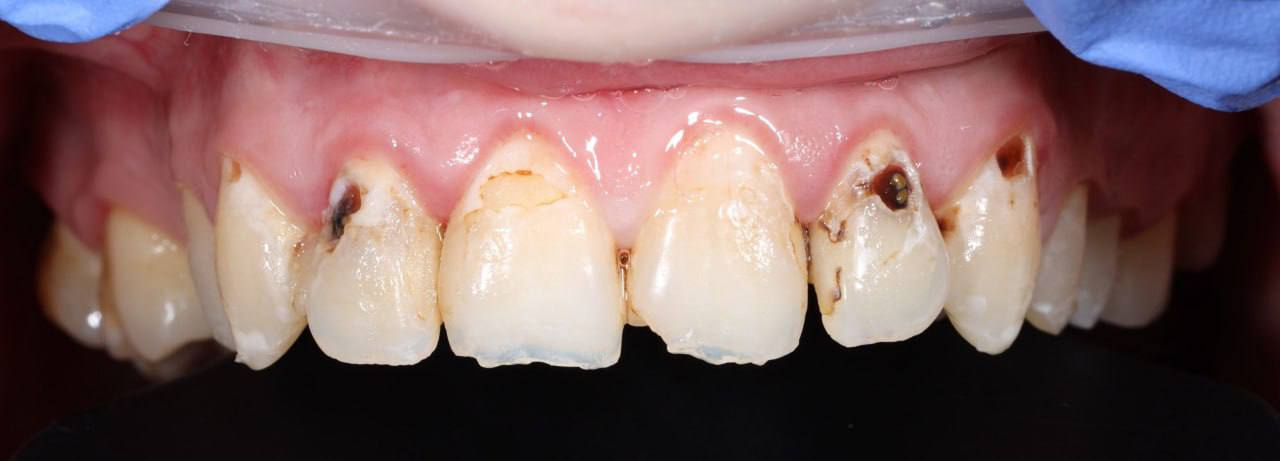
Problem
Treatment
- Natural anatomy restored
- Shade perfectly matched
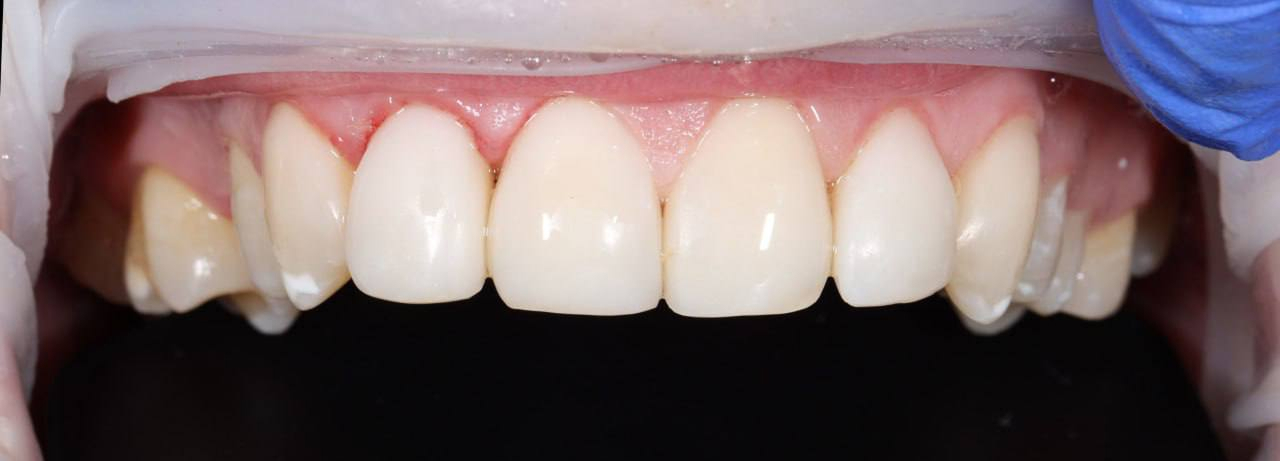
Result
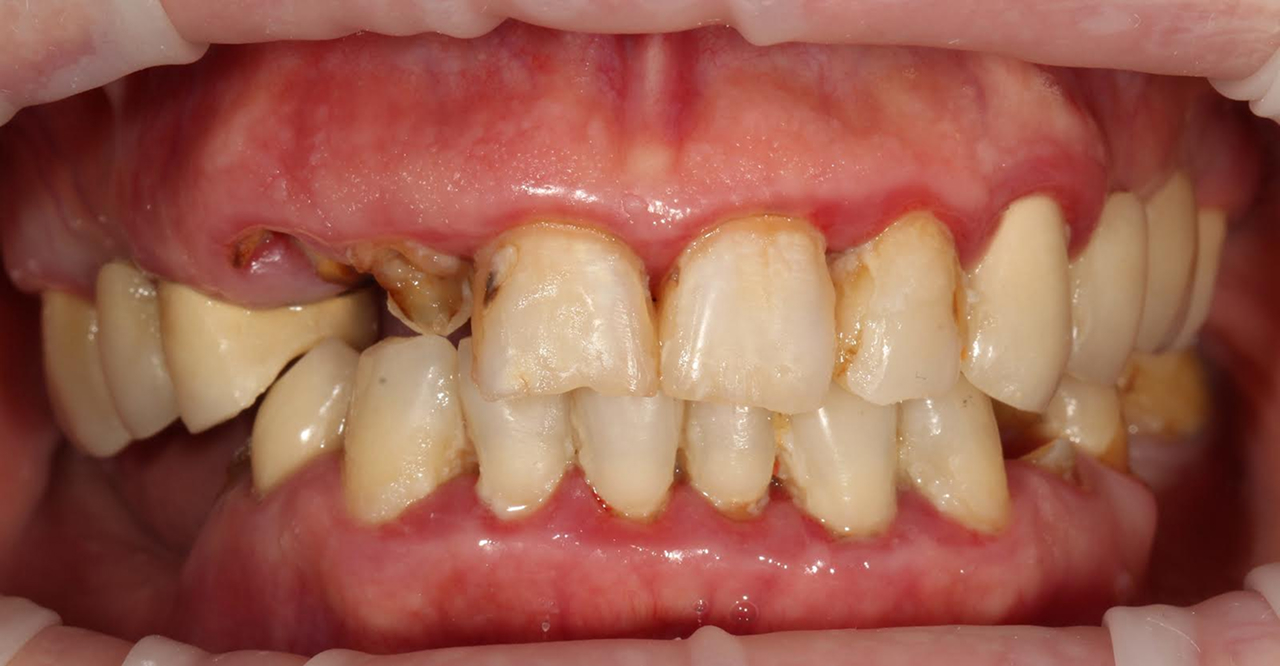
Problem
Treatment
- Endodontic treatment performed
- Non-restorable teeth extracted
- New crowns placed
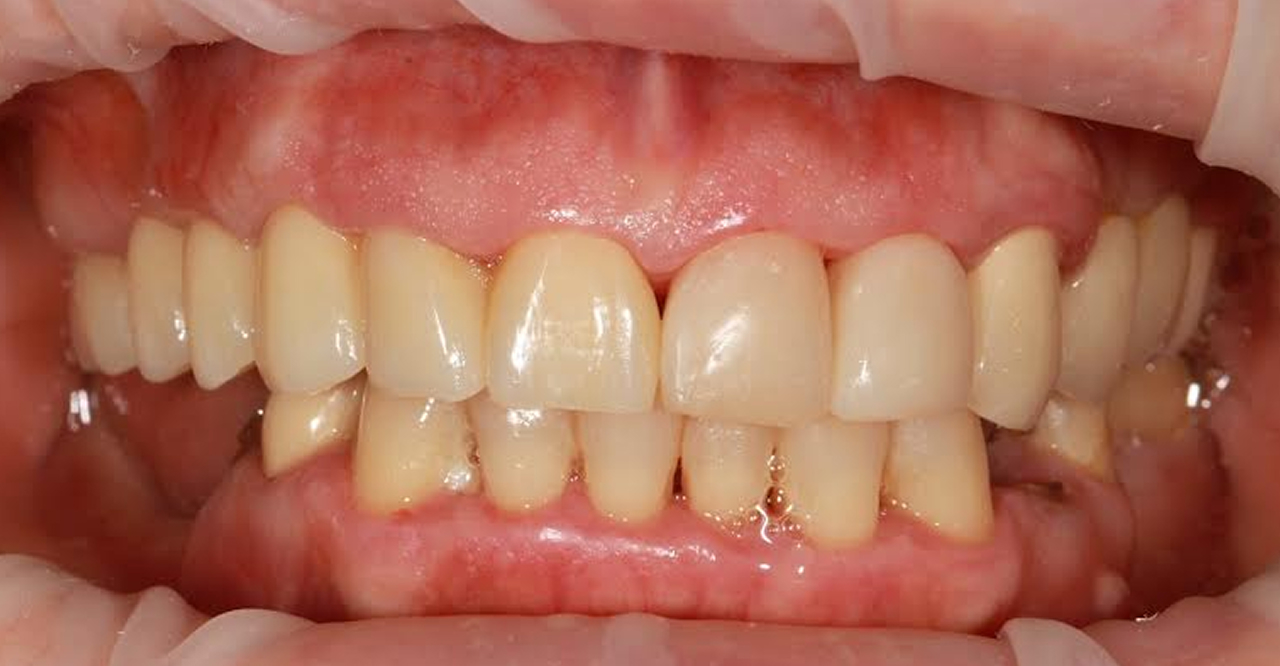
Result
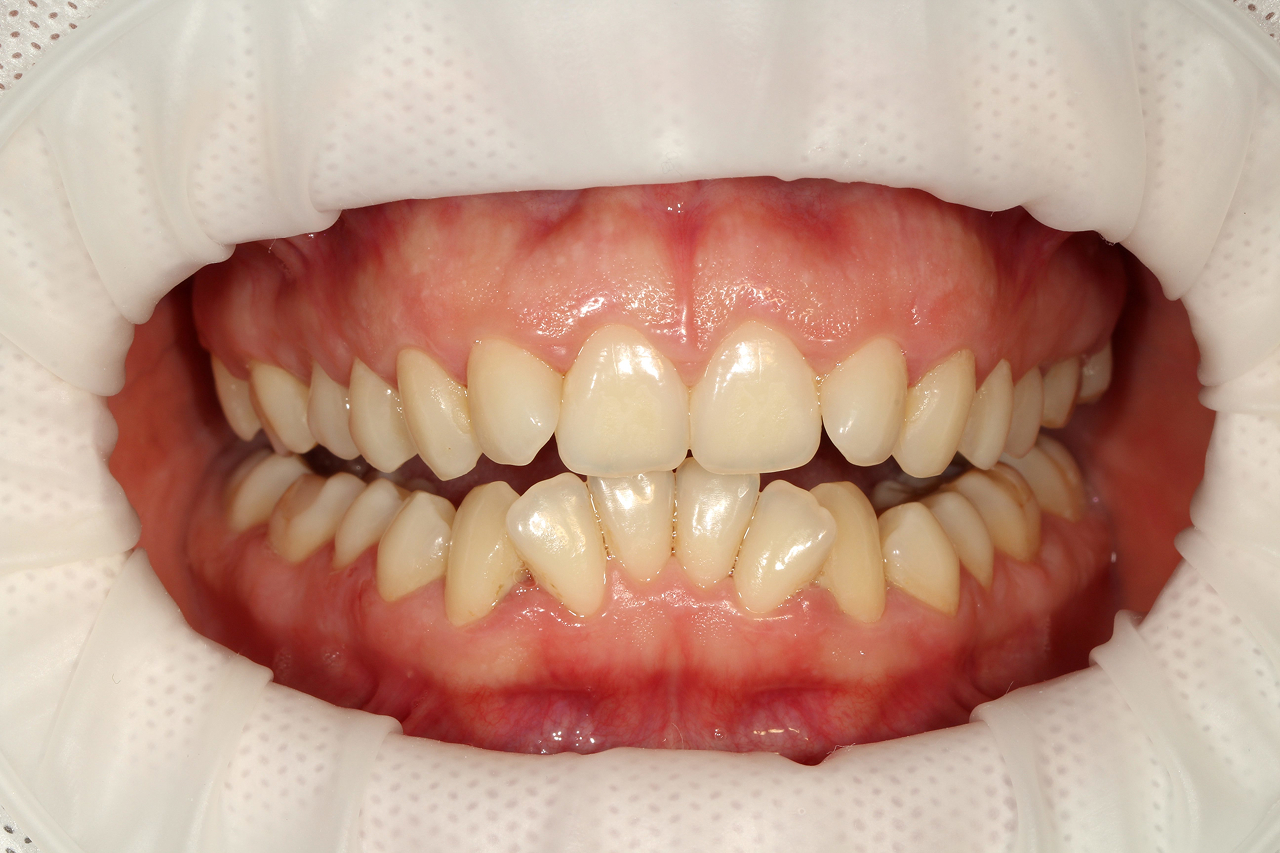
Problem
Treatment
- Bite corrected
- Harmonious smile restored
- Chewing function restored
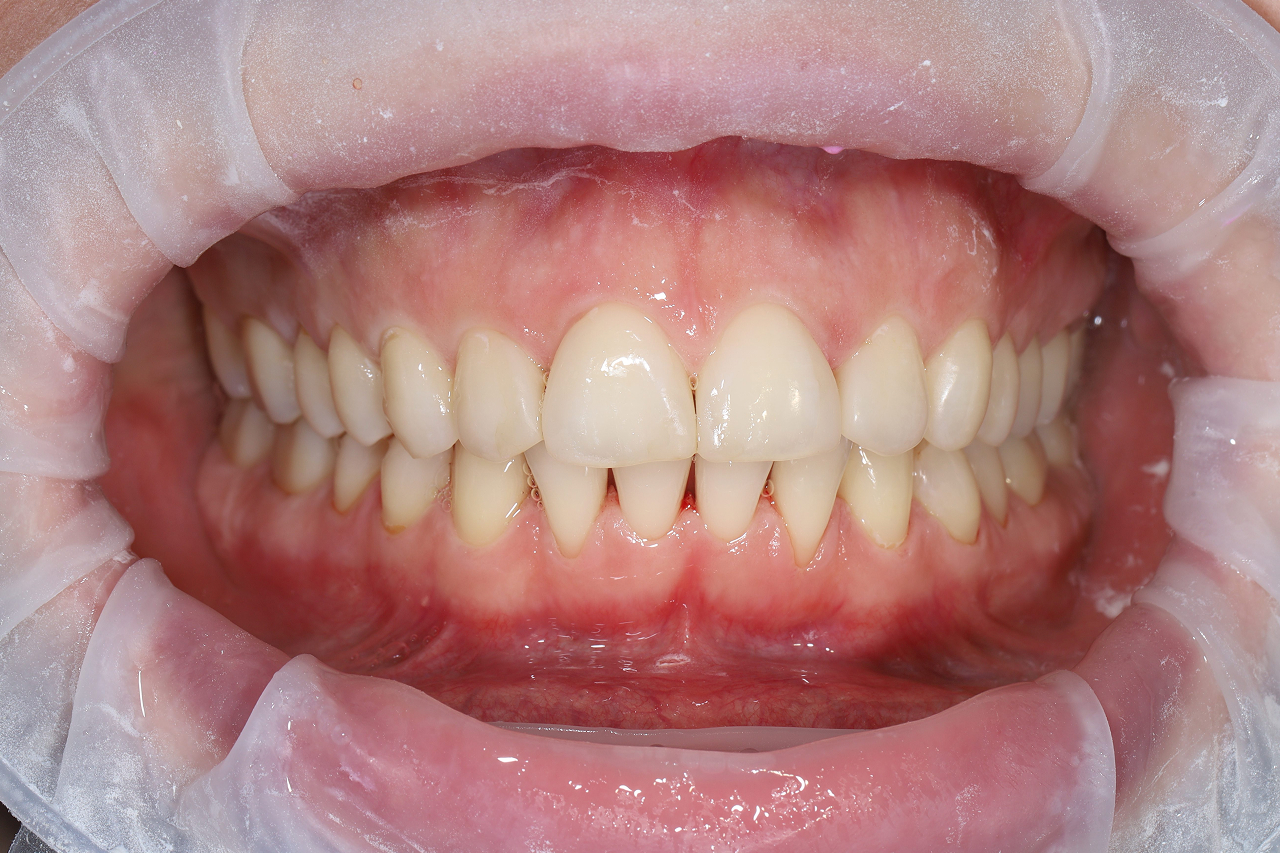
Result
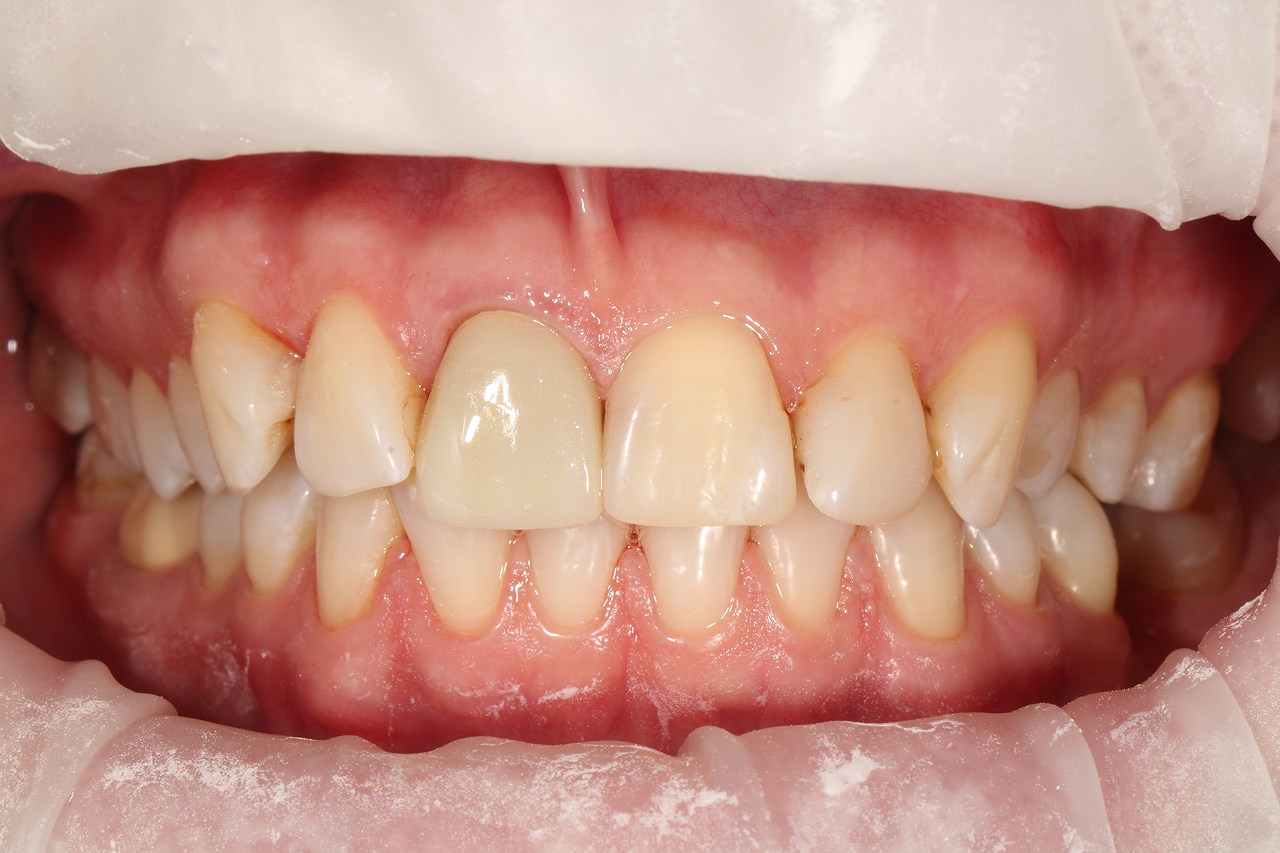
Problem
Treatment
- Endodontic treatment performed
- Anatomical tooth shape restored
- Ceramic veneers bonded
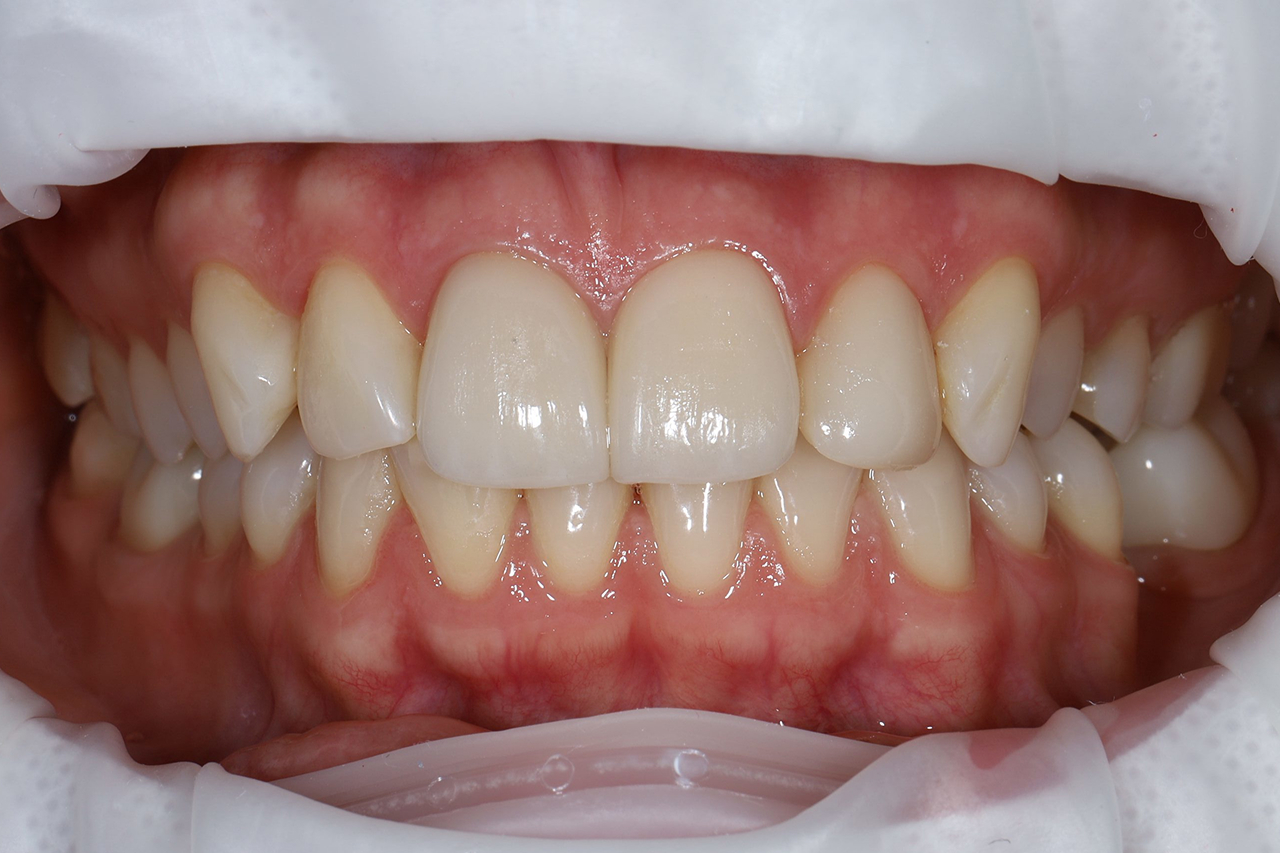
Result
Book a Consultation
By clicking the button, you accept the Privacy Policy and consent to the processing of personal data
Questions
How is a restoration different from a filling?
How long does a cosmetic restoration last?
Can a restoration change the shape or color of my teeth?
Is a restoration visible on the tooth?
Can a tooth be restored after an injury or chip?
Cosmetic tooth restoration is a procedure in which the dentist restores the shape, size and color of a tooth using special materials. It is chosen when a tooth is damaged or has lost its aesthetic appearance but does not yet need a crown or another prosthetic solution.
There are many indications for restoration: a chip from an impact, darkening after root canal treatment, a worn incisal edge, a gap between the front teeth or a small but noticeable shape defect. In each of these cases the scope of work differs, and so does the cost.
The cost of cosmetic tooth restoration is determined after an examination: without assessing the tooth and surrounding tissues, any figures would be approximate. At the consultation, the dentist explains exactly what needs to be done, draws up a treatment plan and agrees it with the patient before any procedures begin. The dentist also assesses the condition of the tooth, explains the possible restoration options and determines whether cosmetic restoration is suitable in the specific case.
What Is Cosmetic Tooth Restoration
A regular filling closes a cavity after caries has been removed. It is a functional intervention: the main goal is to protect the tooth from further destruction. Cosmetic restoration is a broader concept. It includes restoration after caries, correcting the shape, changing the color and adjusting the contour of the tooth. In other words, the goal is not only to protect the tooth but also to make it look natural.
During aesthetic restoration, the dentist recreates the shape and color of the tooth, taking into account its individual features: the translucency of the incisal edge, the surface character and the color intensity in different areas. The material is applied in layers, and each layer is cured separately. As a result, the restored tooth looks natural and fully performs its function.
In most cases, restoration does not require any work on neighboring teeth — this is one of the reasons it is chosen as a first step before considering veneers or crowns.
When Tooth Restoration Is Needed
Patients usually seek restoration in the following situations:
A chipped tooth. The most common reason. A chip can be superficial, affecting only the enamel, or deeper, when the dentin is damaged as well. In the first case, restoration often takes one visit. In the second, more thorough preparation is needed.
A crack. It is not always visible but can cause discomfort when chewing. If the crack does not reach the root, the tooth is restored with restorative material. If it is deeper, the dentist first assesses the condition of the pulp.
Worn teeth. This happens with bruxism, frequent consumption of acidic drinks or as an age-related change. The teeth become shorter and the smile line changes. Restoration makes it possible to rebuild their height and shape.
Darkening and discoloration. This can result from root canal treatment, an old filling, certain medications or accumulated pigment. If whitening does not give the desired result or is not applicable, restoration is a reasonable alternative.
Caries. A classic case. But even here, the location of the cavity matters: a cavity in a chewing tooth and a defect between the front teeth are technically different tasks.
A gap between the teeth (diastema). In some cases, a small gap between the front teeth can be corrected with cosmetic restoration without orthodontic treatment. The dentist models the contour of the teeth so that the space is reduced or visually disappears.
An uneven tooth contour. Sometimes a tooth is not damaged but has a shape that does not fit the overall line — due to anatomical features or improper development. This can also be solved with restoration.
Which Teeth Can Be Restored with Cosmetic Restoration
Front Tooth Restoration
Restoring front teeth is the most technically demanding from an aesthetic point of view. These teeth are visible, have a thinner layer of enamel and a pronounced translucency at the incisal edge. The material is selected based on how a natural tooth interacts with light: it is slightly opaque near the gum line and more translucent closer to the edge.
The dentist pays extra attention to detail: shape, symmetry with the neighboring teeth and surface texture. That is why this kind of work usually takes more time.
Chewing Teeth
Chewing teeth bear the main functional load, so strength and quality of occlusion are the priority here. Light-cured materials are durable enough for most situations, but with significant tissue loss the dentist may recommend an indirect restoration — an inlay.
One or Several Teeth
Cosmetic restoration can involve one tooth or several at the same time. If several teeth in the smile zone need to be restored, the dentist plans the result as a whole so that the teeth look harmonious together rather than differing in color or shape.
Cosmetic Tooth Restoration Methods
Restoration with Light-Cured Composite
Light-cured composite is the main material for cosmetic restoration. It is a moldable material that hardens under light of a certain wavelength. During the appointment, the dentist applies it in layers, curing each layer with a polymerization lamp. This approach allows precise control of the shape and the required density in different areas of the tooth.
Restoration with light-cured composite is performed directly in the mouth in a single visit — this is one of its main practical advantages. Materials differ in shade, translucency and how well the surface can be polished. For the front teeth, materials with higher aesthetic potential are used; for chewing teeth, stronger ones.
After curing, the dentist finishes and polishes the surface and checks the bite. The tooth looks natural on the very day of treatment.
Composite restoration is suitable for most clinical situations: from a small chip to rebuilding a significant part of the tooth crown. For larger defects, the dentist assesses whether the direct method is sufficient or whether an inlay would be more appropriate.
Direct Cosmetic Tooth Restoration
A direct restoration is performed directly in the mouth. The dentist works with the material using instruments and a lamp, shaping the tooth right during the appointment. The entire procedure takes one or at most two visits.
This method is versatile: it is used both for small cosmetic corrections and for rebuilding large areas of a tooth. A high-quality direct restoration performed by an experienced dentist looks no different from a natural tooth and can last for many years with normal care.
Indirect Tooth Restoration
Indirect restoration involves making an inlay or onlay in a dental laboratory. The dentist takes an impression or a digital scan, the technicians make an inlay or onlay (more often ceramic, sometimes composite), and it is then bonded to the tooth.
The indirect method is appropriate for significant defects, when a direct restoration may not be reliable enough. Ceramic inlays are strong and look natural, but they require at least two visits.
The choice between the direct and indirect method is a clinical decision made by the dentist after assessing the situation.
How Cosmetic Tooth Restoration Is Performed
Examination and diagnostics. At the first appointment, the dentist examines the tooth and takes an X-ray if necessary. This makes it possible to assess the condition of the root, pulp and bone around the tooth. Planning a restoration without this would be incorrect — sometimes a deeper problem lies beneath a visible defect.
Shade selection. If the restoration is aesthetic, the dentist selects the shade of the material using a shade guide in natural light. The color of a tooth is not uniform: the area near the gum, the middle part and the incisal edge differ. This is taken into account for a natural result.
Tooth preparation. Depending on the situation, the dentist removes the affected tissue or prepares the surface for better adhesion. An adhesive system is then applied — it bonds the material to the tooth tissues.
Applying the material. The light-cured composite is applied in layers. Each layer has its own thickness, shade and function. The dentist shapes the anatomy of the tooth — cusps, fissures and edge contours — before the final curing.
Polishing. Once the shape is formed, the surface is finished with burs and polishing tools. The quality of polishing affects how long the restoration stays smooth — a rough surface accumulates pigments and plaque faster.
Checking the occlusion. The dentist checks how the tooth meets the opposing teeth. If there are excessive contacts, the bite is adjusted so that the restoration is not overloaded.
Depending on the scope of work, the procedure usually takes from 60 minutes to 2–3 hours.
Front Tooth Restoration — Key Features
Working with front teeth requires more attention to detail than restoring chewing teeth. This is due to several aspects.
First, the front teeth are always visible. Any mismatch in color, shape or surface will be noticeable. That is why the dentist spends more time on finishing.
Second, natural front teeth have pronounced translucency at the incisal edge. To recreate it, materials with different degrees of opalescence and translucency are used. If a tooth is restored with opaque material only, it will look artificial next to the neighboring teeth.
Third, shape and symmetry. Even if only one tooth is damaged, the dentist takes the neighboring teeth as a reference: width, height and angle are considered so that the tooth fits into the overall picture.
Shade selection for the front teeth is done in daylight or with a special polarizing filter. Some dentists take photos of the teeth before the procedure to compare the result during the work.
With a well-chosen material and careful execution, a front tooth restoration can keep its natural appearance for a long time. However, composite gradually accumulates pigments from coffee, tea, red wine and tobacco. Regular hygiene and preventive check-ups extend the life of the restoration.
How Much Does Cosmetic Tooth Restoration Cost in Lviv
It is impossible to give an exact amount without an examination, but we can explain what the price depends on. The dentist determines the exact cost after examining and assessing the tooth.
Scope of work. A small repair of a tooth corner is one thing; rebuilding half of the crown is another. The more time and material required, the higher the cost.
Tooth location. Aesthetic restoration in the smile zone requires higher-grade materials and more of the dentist’s time. Accordingly, the price for a front tooth is usually higher than for a chewing tooth.
Method. Direct composite restoration is the most common and affordable option. Indirect restoration (a ceramic inlay) costs more because it includes a laboratory stage.
Condition of the tooth before treatment. If caries treatment, root canal treatment or other preparatory work is needed before restoration, it is a separate part of the treatment plan with a separate cost.
Number of teeth. If several teeth are restored at the same time, the cost is calculated for each tooth separately.
The cost of tooth restoration in Lviv varies depending on the clinic, the dentist’s qualifications and the materials used. At the consultation, the dentist examines the tooth, explains what needs to be done and gives you the full cost before treatment begins. The consultation includes an examination, an assessment of the tooth and the choice of the best restoration method. Any changes to the plan are agreed with the patient in advance.
Benefits of Cosmetic Tooth Restoration
Restoration is not a universal solution for every case. Sometimes veneers, crowns or orthodontic treatment are more appropriate. But in situations where restoration is suitable, it has several significant practical benefits.
Minimal intervention in tooth tissue. Unlike a crown, which requires significant tooth reduction, restoration preserves as much of your own tissue as possible. This matters in the long term: the more natural tooth structure remains, the stronger its foundation.
Results in a single visit. Direct cosmetic restoration is completed within one appointment. The patient comes in with a problem and leaves with it solved.
Natural appearance. Modern light-cured materials reproduce the optical properties of dental tissue well. With correct shade selection and skilled execution, the restoration is not visible next to the neighboring teeth.
Possibility of correction. Unlike irreversible treatment methods, a restoration can be repaired or replaced if needed without significant loss of tooth structure.
Affordability. Composite restoration is one of the most common dental procedures and is affordable compared to prosthetic solutions.
How Long Cosmetic Tooth Restoration Lasts
The lifespan of a restoration depends on several factors. With normal care, a high-quality composite restoration lasts approximately 5 to 10 years, and in some cases longer.
Its durability is affected by:
- The size of the restoration. A small repair of the incisal edge will last longer than a massive rebuild of a large part of the crown.
- Load. With bruxism, a restoration wears faster. In such cases, the dentist may recommend a night guard for protection.
- Eating habits. Hard foods, nuts, opening lids with your teeth — all of this shortens the lifespan.
- Hygiene. Plaque around a restoration causes secondary caries — one of the most common reasons a restoration has to be replaced early.
- Material and quality of work. The difference between a high-quality and a cheap material shows after a few years: in color stability, surface smoothness and marginal fit.
During preventive check-ups, the dentist assesses the condition of restorations and notices in time if something needs attention — a little re-polishing or a local correction. This is cheaper and simpler than a full replacement.
Care After Tooth Restoration
No fundamentally new rules need to be followed after restoration. But there are a few practical recommendations.
The first day. During the first 24 hours, it is advisable to limit foods with strong colorants (coffee, tea, red wine, beetroot), especially if the restoration was done on the front teeth.
Brushing. The standard twice a day. Use dental floss or interdental brushes to clean between the teeth. An electric toothbrush is allowed and recommended.
Hard foods. It is better to limit nuts, hard candies, crackers — anything that requires sudden, heavy biting force. Hard impacts increase the risk of chips, including for natural teeth.
If you feel discomfort. Some sensitivity for a few days after restoration is normal. If the discomfort lasts longer than a week or gets worse, see your dentist. Sometimes a small bite adjustment is needed.
Regular check-ups. Visiting the dentist every 6 months helps keep restorations under control and catch the moment when something needs correction.
Who Performs Cosmetic Tooth Restoration at Our Clinic
Cosmetic restoration is performed by a general dentist with experience in aesthetic dentistry. It is important that the dentist specializes in such procedures: working with material on the front teeth differs significantly from standard caries treatment.
Experience in this field is not just the number of restorations performed, but an understanding of how shape is built, how the material behaves with different shades and how to polish the surface for long-lasting smoothness. These skills develop with practice.
At our clinic, cosmetic restoration is performed by dentists with proven experience. Before the procedure, the dentist holds a consultation: examines the tooth, assesses the tissues, determines whether restoration is appropriate and calculates the cost before treatment begins. The patient receives a specific plan and can make a decision without haste.
Frequently Asked Questions About Cosmetic Tooth Restoration
Is restoration painful? It depends on the scope of work. If only an enamel chip needs to be restored without touching living tissue, anesthesia is usually not needed. If the intervention is deeper, the dentist uses local anesthesia. Most patients tolerate the procedure calmly.
Is it noticeable that a tooth has been restored? If done well, no. Modern materials make it possible to recreate the color and texture of a natural tooth. If a restoration is noticeable, it is usually due either to the choice of material or to insufficient attention to detail.
Can teeth be whitened after restoration? Composite material does not change color under the influence of whitening agents. So if whitening is planned, it is done before restoration. The material is then matched to the new, lighter shade of the teeth.
How long does the procedure take? One restoration takes from 40 minutes to 2–3 hours depending on complexity. A front tooth restoration, with careful work on color and shape, usually takes 1.5 hours or more.
Can a tooth be restored if little tissue remains? This is decided individually. With significant loss of the crown, the dentist assesses whether there is enough support for the material. Sometimes a post is used for retention; sometimes a crown is more appropriate. There is no definite answer without an examination and an X-ray.
Can a restoration chip? Yes, it is possible — especially with impacts, sudden load or bruxism. A small chip in a restoration can usually be repaired without full replacement.
Does a restoration change color over time? Composite materials gradually accumulate pigments. How much depends on the material and eating habits. Regular hygiene and preventive cleaning at the clinic slow this process down. After a few years, the restoration can be polished to restore the brightness of its surface.
Is any preparation needed before restoration? Special preparation is usually not needed. Good hygiene before the appointment makes shade selection easier: without plaque, it is easier for the dentist to assess the real shade of the teeth. If whitening is planned, it is done before restoration.
How is cosmetic restoration different from veneers? A restoration is performed directly in the chair in a single visit using composite material. A veneer is a thin ceramic or composite shell made in a laboratory. It requires slight enamel reduction and two visits, but offers better long-term color stability. The choice between these methods depends on the condition of the tooth, the size of the defect and the goal — this is discussed at the consultation.
When is a crown a better choice than a restoration? A crown is indicated when a tooth is severely damaged — more than half of the crown is lost — or after root canal treatment, when the tissues have become brittle and the risk of the tooth splitting is high. A crown is also appropriate for pronounced bite problems or if previous restorations have repeatedly failed due to lack of support. The decision is made by the dentist after an examination and an X-ray.
The information on this page is for reference only. A specific treatment plan, the choice of method and the cost are determined after an in-person examination — with an X-ray if necessary. The decision about treatment is made together with the patient after all the details have been explained.
Book Cosmetic Tooth Restoration in Lviv
If you are concerned about a tooth — a chip, discoloration, an uneven contour or an old filling that no longer looks good — a consultation with a dentist will help you understand whether restoration is needed and to what extent.
At the appointment, the dentist will examine the tooth, take an X-ray if necessary, assess the tissues, choose the method and calculate the full cost before any procedures begin. You will receive a specific treatment plan and can make a decision without haste.
You can book a consultation for cosmetic tooth restoration in Lviv by phone or through the form on our website. Let us know a convenient time, and we will find a suitable appointment.