

- ELITES
- Dental Implants
Dental Implants in Lviv – A Clear Plan and a Predictable Result
APPROACH
Dental Implants at elites
Planning Based on Diagnostics
Choice of Implant Systems
Support at Every Stage
Planning Based on Diagnostics
Choice of Implant Systems
Support at Every Stage
When to Consult About Dental Implants
- You are missing one tooth and need to compare implants with other replacement options
- You are missing several teeth or need a more stable prosthesis
- A tooth extraction is planned and it is important to discuss replacement in advance
- A removable denture is not stable enough or causes discomfort
- A tooth was lost long ago and the condition of the bone needs to be assessed
- You need a comprehensive plan to restore function and a complete dentition
Want to find out whether implants are right for you?
The Process
01
Consultation and Planning
02
Preparation and Implant Placement
03
Healing and Monitoring
04
Making and Fitting the Crown
What's Included in the Consultation
- Collecting complaints and medical and dental history
- Clarifying chronic conditions, allergies and medications
- Examination of the mouth, gums, bite and the area of the missing tooth
- Determining the need for a CT scan and analyzing available diagnostic data
- Assessing possible replacement options and the need for preparatory treatment
- Explanation of the stages, implant systems, estimated timeline and cost
Pricing
Procedure
Price
Doctors

Soltys Mykhailo Vasylovych
- – Chief Doctor, Dental Surgeon, Implantologist, Prosthodontist
- – 14 years of experience
Soltys Mykhailo Vasylovych
- – Chief Doctor, Dental Surgeon, Implantologist, Prosthodontist
- – 14 years of experience
Treatment Results and Patient Reviews
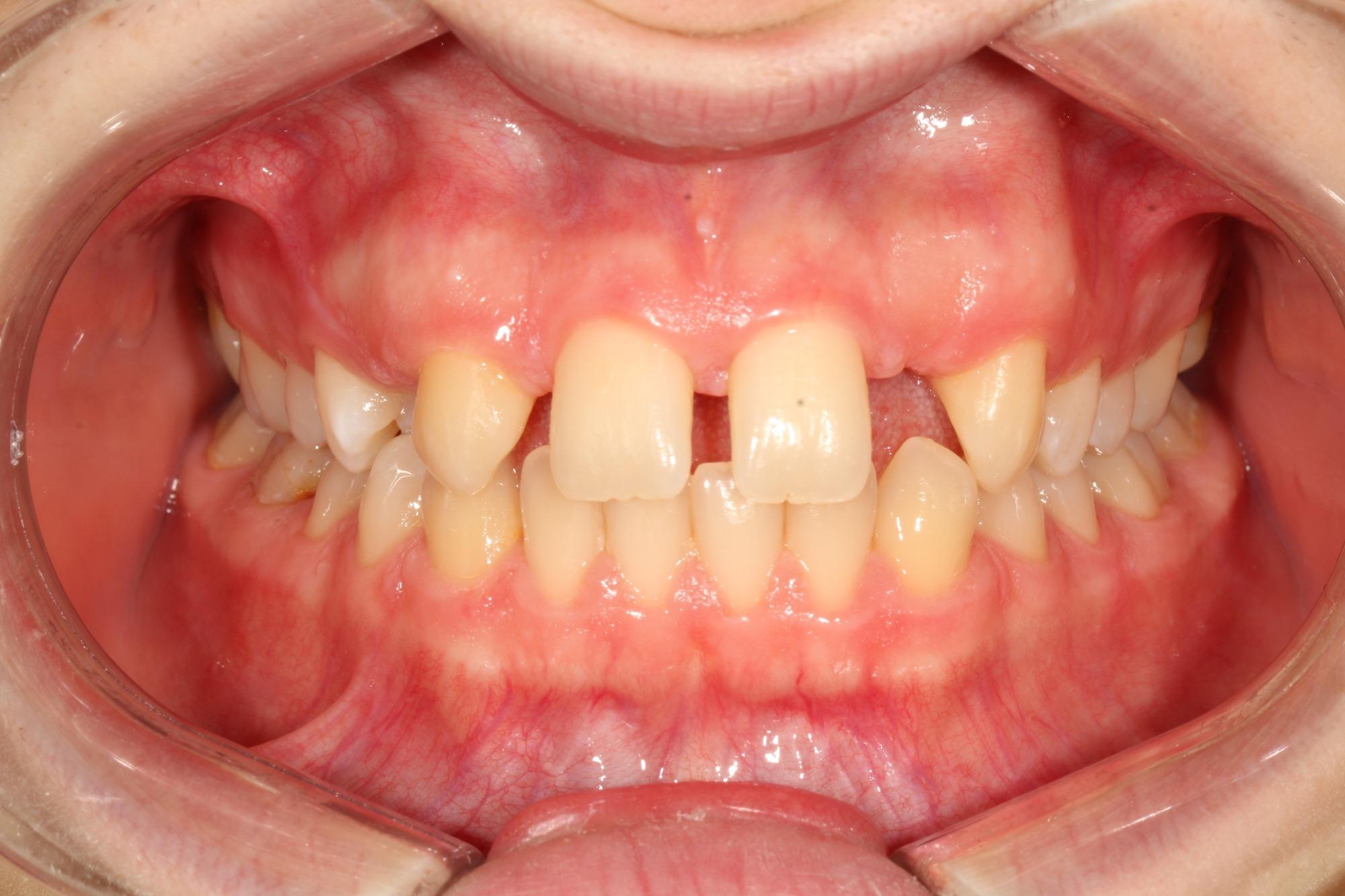
Problem
Treatment
- Orthodontic treatment performed
- Implant placement and bone grafting
- Chewing function restored
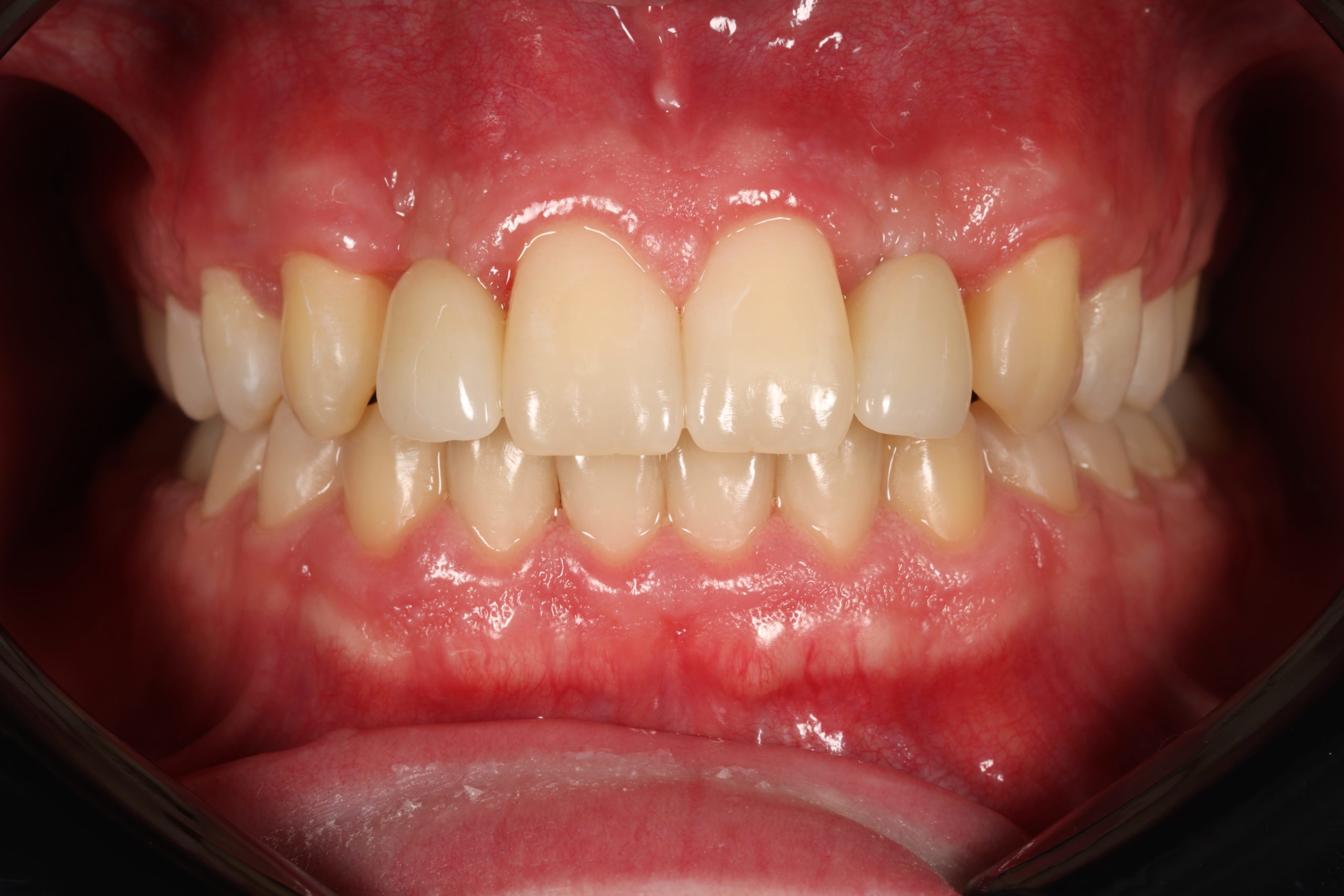
Result
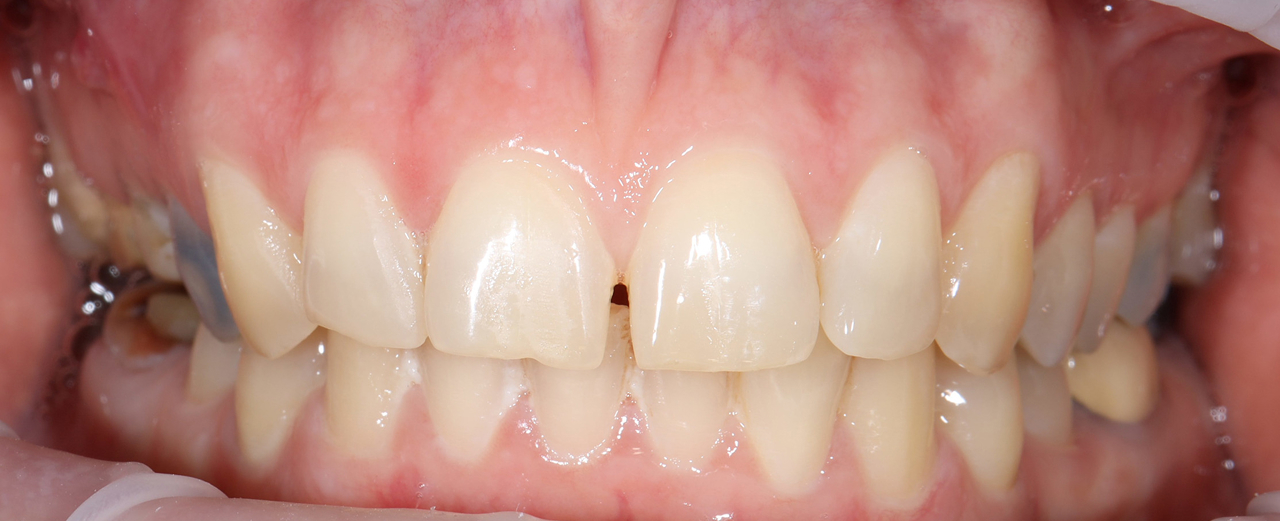
Problem
Treatment
- Oral sanitation and endodontics performed
- Dental implants placed
- Ceramic crowns fixed
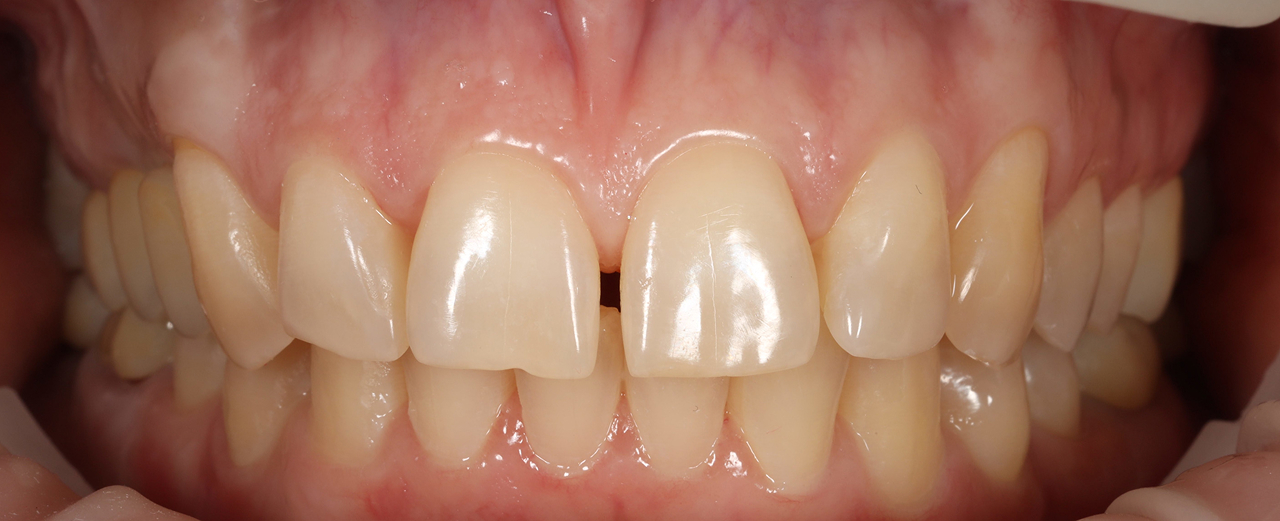
Result
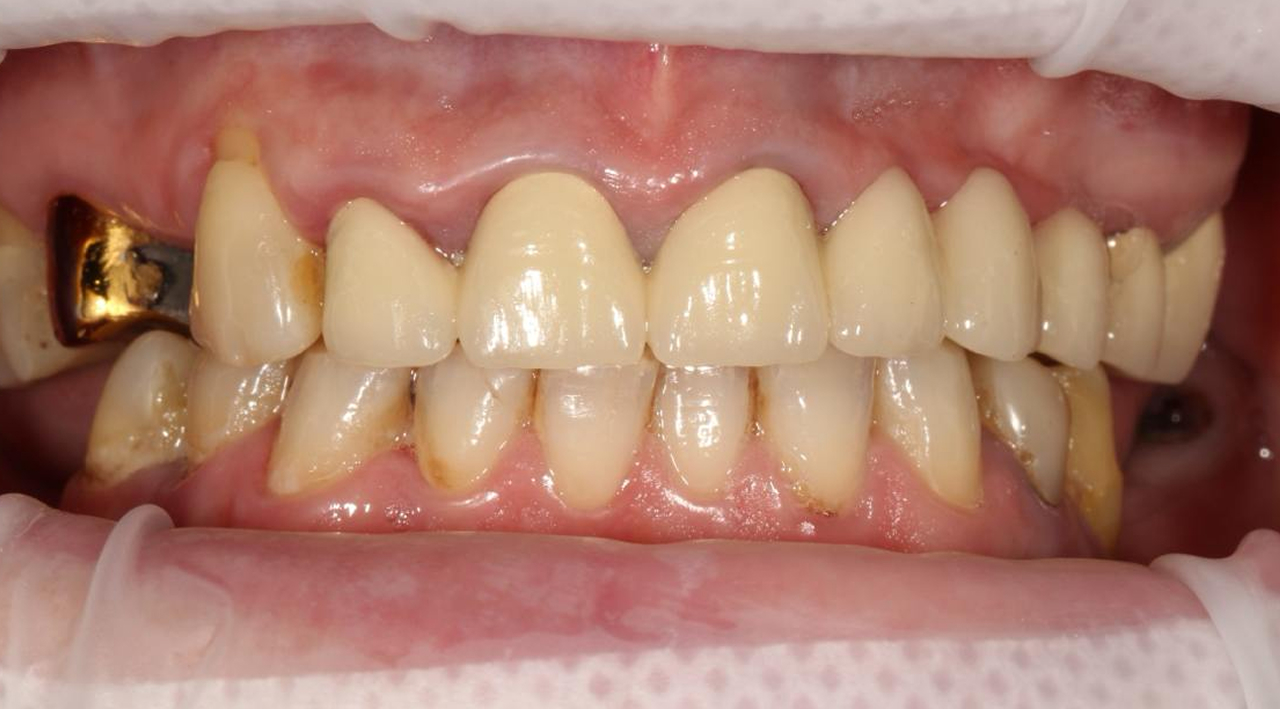
Problem
Treatment
- Old restorations replaced
- Smile aesthetics restored
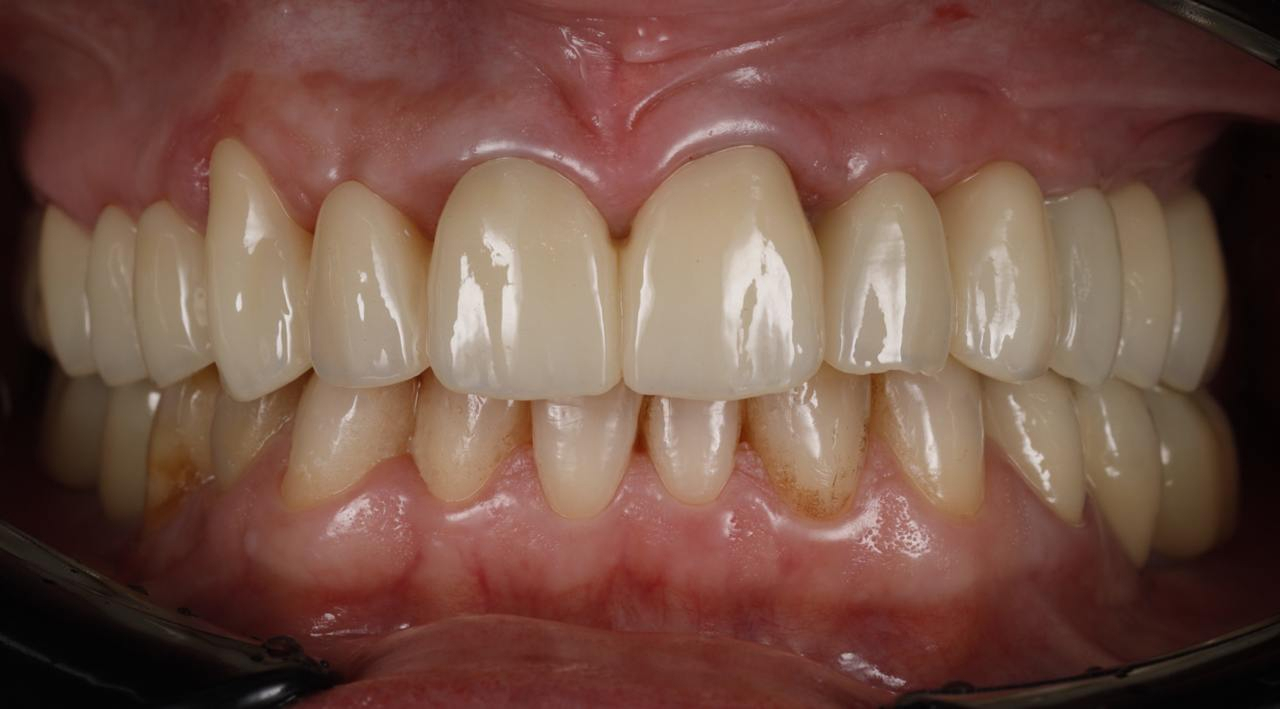
Result
Book a Consultation
By clicking the button, you accept the Privacy Policy and consent to the processing of personal data
Questions
How long does implant treatment take — from placement to crown?
Is implant placement painful?
What are the contraindications to dental implants?
Why is an implant better than a bridge or a removable denture?
How long does an implant last?
A missing tooth is not just an aesthetic inconvenience. It changes the bite, puts extra load on neighboring teeth and leads to gradual bone loss. Dental implantation is a method of oral surgery that involves placing a dental implant (a titanium post) into the bone and then fixing a crown on it. This approach restores the function and appearance of the dentition so that the new tooth works and looks like a natural one.
We understand that deciding on implants takes time, trust and an understanding of the process. That is why a consultation at our clinic always includes detailed diagnostics, an explanation of the treatment plan and a transparent cost estimate. You get the full picture — from the first visit to the completion of treatment.
Our goal is not to persuade you but to help you make a well-considered decision that feels right for you.
When Dental Implants Are Recommended
Implants become the solution when chewing function and the aesthetics of the dentition need to be restored while preserving as much healthy tissue as possible. The main indications include:
- One or more missing teeth, when you want to avoid grinding down healthy neighboring teeth for a crown or a bridge
- Tooth loss due to injury, complications after treatment or long-term absence, when other prosthetic methods are no longer optimal
- The need to prevent bone loss, since a dental implant transfers load to the bone and preserves its volume
- Restoring chewing function with complete or partial tooth loss as an alternative to removable dentures
- The wish to have a stable restoration that does not need to be removed every day and provides comfort in everyday life
Every situation is individual. During the consultation, the dentist assesses the bone, bite, general health and your expectations. Sometimes implant placement is preceded by preparation — gum treatment, bone grafting or bite correction. All of this is discussed at the planning stage.
Stages of Dental Implant Treatment
Placing a dental implant is a sequential process that takes time and requires following certain protocols. Understanding the stages helps you plan treatment and realistically estimate the timeline.
- Diagnostics and treatment plan. The dentist carries out an examination and orders a CT scan, which shows the volume of bone, its density and anatomical features. Based on this data, an individual plan is created, showing all stages, the timeline and the cost of treatment.
- Placing the dental implant. The procedure is performed under local anesthesia. During placement, the dentist prepares a site in the bone and fixes the titanium post, which acts as the tooth root. The procedure usually takes from thirty minutes to an hour, depending on the complexity of the case.
- Healing period (osseointegration). This is the time when the implant fuses with the bone. In the lower jaw the process takes three to four months, in the upper jaw four to six months. During this period, the implant remains under the gum, and a temporary prosthesis may be used in the aesthetic zone.
- Fitting the crown. After osseointegration is complete, an abutment — the connecting element between the implant and the crown — is placed. One to two weeks later, a permanent crown is fitted, made to match the shape, color and bite so that it looks like a natural tooth.
The dentist monitors each stage and schedules follow-up visits to make sure healing is progressing normally.
Types of Dental Implant Procedures
The choice of implant method depends on the clinical situation, the condition of the bone, the location of the gap and your wishes regarding the treatment timeline.
Conventional (Two-Stage) Implant Placement
The implant is placed into the bone and remains under the gum until it has fully integrated. Only after osseointegration is complete is the crown fitted. This is the most predictable protocol, suitable for most clinical situations and providing a highly predictable result.
Immediate Implant Placement
Immediate implant placement is a method in which the dental implant is placed right after the tooth is extracted, during a single surgical procedure. This approach reduces the number of surgeries and the overall treatment time, as well as the psychological burden on the patient.
Whether immediate implant placement is possible depends on the clinical situation. The method is used when there is sufficient bone volume and density, no active inflammation in the extraction area and the implant can be stably fixed. The final decision is made by the dentist after diagnostics and analysis of the CT scan.
It is important to understand that immediate implant placement is not suitable for every patient. In some cases, it is safer to choose the conventional protocol to ensure a predictable and long-lasting treatment result.
Single-Stage Implant Placement
Single-stage implant placement involves placing an implant with a healing abutment or a temporary restoration, without a second surgical procedure after the healing period. Unlike the conventional two-stage technique, the implant is not covered by the gum, which reduces the number of treatment stages.
This protocol is possible only if the implant has reliable primary stability and the anatomical conditions are favorable. Single-stage placement does not mean immediate loading with a permanent crown — in most cases a temporary solution is used that does not overload the implant during osseointegration.
The dentist chooses a single-stage protocol individually, assessing the risks and prognosis. The main goal is not to shorten the timeline at any cost, but to achieve a stable and safe long-term result.
Implant Placement in the Socket of an Extracted Tooth
The implant is placed directly into the socket of a freshly extracted tooth, which helps preserve bone volume and reduces the number of surgical stages. The method requires a careful assessment of the anatomical conditions and the absence of inflammatory processes.
The dentist chooses the method based on diagnostics and discusses the advantages of each approach in your specific case.
All-on-4 Implants
All-on-4 is a method of restoring the dentition in which a fixed prosthesis is attached to four implants. This option may be considered with complete or significant tooth loss, when chewing function needs to be restored with a stable restoration.
Whether All-on-4 treatment is possible is determined after diagnostics. The dentist assesses the volume and condition of the bone, the bite and overall oral health, and selects the best implant option.
How Much Do Dental Implants Cost in Lviv
Patients often want to know how much dental implants cost and what determines the price of an implant. The cost of implant treatment is calculated individually based on the chosen implant system, the clinical situation and the scope of procedures required.
To help you plan your budget, here are examples of approximate prices, which may vary depending on the specific situation:
- Osstem implant placement — from approximately UAH 18,700
- Osstem implant “turnkey” (with crown) — from approximately UAH 47,900
- Straumann implant placement — from approximately UAH 34,450
- Straumann implant “turnkey” (with crown) — from approximately UAH 67,450
The final cost of implant treatment is determined after a consultation and diagnostics and may differ from the examples above.
The price depends on several factors:
- Implant type and manufacturer — premium systems cost more but have longer clinical track records
- Complexity of the clinical situation — the need for additional procedures such as bone grafting or sinus lift
- Crown material — zirconia, porcelain-fused-to-metal or other options differ in cost
- Scope of preparatory treatment — oral sanitation, gum treatment or tooth extraction
We always provide a detailed estimate after the consultation, listing all stages and the cost of each procedure. There are no unexpected expenses — you see the full picture in advance. Current prices for all types of implant treatment can be found on our website’s prices page.
Which Implants We Use
We work with implant systems that have a long clinical history and proven predictability, including Straumann and Osstem. Each of these systems has undergone many years of research, holds international certifications and shows a high success rate.
Straumann Implants
Straumann is a Swiss implant system used in various clinical situations, including the replacement of one or several teeth. The system has a long clinical history and a wide range of solutions for implant planning. The dentist determines whether Straumann is appropriate after diagnostics and an assessment of the bone.
Osstem Implants
Osstem is an implant system used to replace one or several missing teeth in various clinical situations. It allows the treatment option to be matched to the condition of the bone, the implant location and the planned prosthesis. The dentist makes the final choice of system after an examination and diagnostics.
The choice of a specific system depends on the clinical situation, the implant location, the condition of the bone and your budget. The dentist explains why they recommend a particular system, what advantages it has in your case and what alternatives exist. All the implants we use come with a manufacturer’s warranty on the implant itself — the terms and duration of the warranty are clarified at the consultation and recorded in the documentation.
Clinical success depends not only on the quality of the implant but also on the accuracy of diagnostics, the placement technique and subsequent care. We take responsibility for every stage of this process and support you from the consultation to the completion of treatment.
Dentists Who Perform Implant Treatment
Dental implants at our clinic are placed by oral surgeons with specialized training and many years of experience in oral surgery. Each of our dentists regularly improves their qualifications, attends international courses and conferences, and works with modern treatment protocols.
For us, it is important not only to place an implant with high technical quality but also to support the patient at every stage, explain each step, answer questions and be available if there is any anxiety or unclear symptoms. We understand that trust in your dentist is the foundation of successful treatment.
At the consultation, you can meet the dentist, discuss your situation, ask questions and see whether you feel comfortable with them. This matters, because implant treatment is a process that lasts several months, and your relationship with the dentist should be based on trust.
Implant Results: Before and After
The result of implant treatment is not only restored function but also a natural-looking dentition. We pay attention to the shape and color of the crown, the gum contour and how it relates to the neighboring teeth. The goal is for the new tooth not to stand out but to complement the smile harmoniously.
Our practice includes cases ranging from single-tooth replacement in the front teeth to full-arch rehabilitation on implants. Every case is unique, and the approach is always individual. We show photos of results at the consultation so that you can assess the quality of our work and understand what to expect.
It is important to understand that the result depends not only on the dentist’s work but also on the initial clinical situation, the condition of the bone and soft tissues, and following post-operative recommendations. We always strive to achieve the best possible result in each specific case. At the consultation, you can see “before and after” examples of our work and patient reviews.
Implant Safety and Possible Contraindications
Dental implant placement is a surgical procedure with its own indications and contraindications. Absolute contraindications are rare — these include active cancer, uncontrolled diabetes and severe blood clotting disorders. Relative contraindications, which need to be addressed before implant placement, are more common.
These include inflammatory processes in the mouth, poor hygiene, smoking, osteoporosis and taking certain medications. These factors do not rule out implants, but they require preparation or adjustment of the treatment protocol. That is why diagnostics include not only a dental examination but also taking a medical history and assessing general health.
We never recommend implants if there are doubts about the safety of the procedure or the prognosis. The final decision on whether implants are possible and which system to use is made after an in-person consultation and examination. If the dentist sees risks, they will always tell you about them, suggest alternative solutions or refer you to a relevant specialist. Medical responsibility is a priority in our work.
Frequently Asked Questions About Dental Implants
- Will it hurt during and after implant placement? Implant placement is performed under effective local anesthesia, so you do not feel pain during the procedure. After the anesthesia wears off, some discomfort is possible, which is managed with pain relievers. Unpleasant sensations usually disappear within two to three days. If the pain gets worse or does not decrease, you should see your dentist.
- How long does complete healing take after implant placement? Osseointegration takes from three to six months, depending on the jaw and individual characteristics. This time is needed for the implant to fuse with the bone and withstand chewing forces. Once the crown is fitted, you can use the implant fully.
- Do implants always integrate? The success rate of dental implants in modern dentistry exceeds ninety-five percent. There is a risk of implant failure, but it is minimal with accurate diagnostics, adherence to the placement protocol and following post-operative recommendations. If an implant does not integrate, the situation is analyzed, the causes are eliminated and the implant is placed again.
- How long does an implant last? With proper care and regular preventive check-ups, an implant can last for decades. The crown on an implant has a lifespan of about ten to fifteen years, after which it may need to be replaced, but the implant itself stays in place. Durability depends on hygiene, the condition of the bone and general health.
Book a Dental Implant Consultation
If you are considering dental implants as a treatment option, the first step is a consultation. During the appointment, we will carry out an examination, order the necessary diagnostics, discuss your wishes and expectations, and tell you about the possible treatment options and their cost.
A consultation does not commit you to starting treatment right away. It is an opportunity to get complete information, understand the process, assess your resources — financial, time and emotional — and make a decision that feels right for you.
You can book a consultation by phone or through the form on our website. We will answer your questions and offer a convenient time for your visit.