

- ELITES
- Veneers
Dental Veneers - a Natural Look and Confidence
APPROACH
VENEERS AT ELITES
Diagnostics Before Aesthetics
Digital Planning and Mock-up
Individual Tooth Preparation
Diagnostics Before Aesthetics
Digital Planning and Mock-up
Individual Tooth Preparation
When to See a Dentist
- The color of your teeth cannot be corrected with conservative methods
- There are chips, cracks or local enamel defects
- You want to change the shape or proportions of individual teeth
- You want to close gaps between your teeth and compare the available methods
- Old restorations in the smile zone have lost their aesthetic appearance
- You need to compare veneers with restoration, orthodontics or crowns
Considering veneers?
The Process
01
Consultation and Diagnostics
02
Planning and Mock-up
03
Preparation and Temporary Restorations
04
Try-in and Bonding
What's Included in the Consultation
- Collecting complaints, wishes and dental history
- Examination of the teeth, enamel, gums and existing restorations
- Assessment of the bite and functional load
- Photo protocol, scanning or additional diagnostics if indicated
- Comparing veneers with possible alternatives
- Preliminary plan, stages, number of teeth, timeline and estimated cost
Doctors

Soltys Mykhailo Vasylovych
- – Chief Doctor, Dental Surgeon, Implantologist, Prosthodontist
- – 14 years of experience
Soltys Mykhailo Vasylovych
- – Chief Doctor, Dental Surgeon, Implantologist, Prosthodontist
- – 14 years of experience
Treatment Results and Patient Reviews
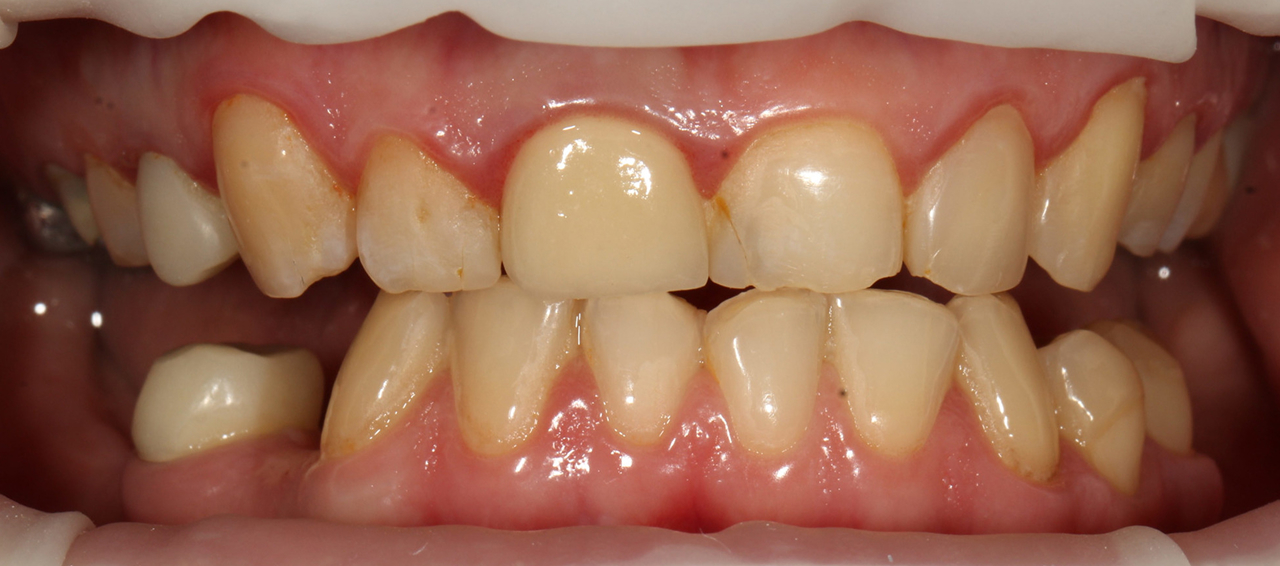
Problem
Treatment
- Full oral sanitation performed
- Dentition restored with implants
- Ideal ceramic smile created
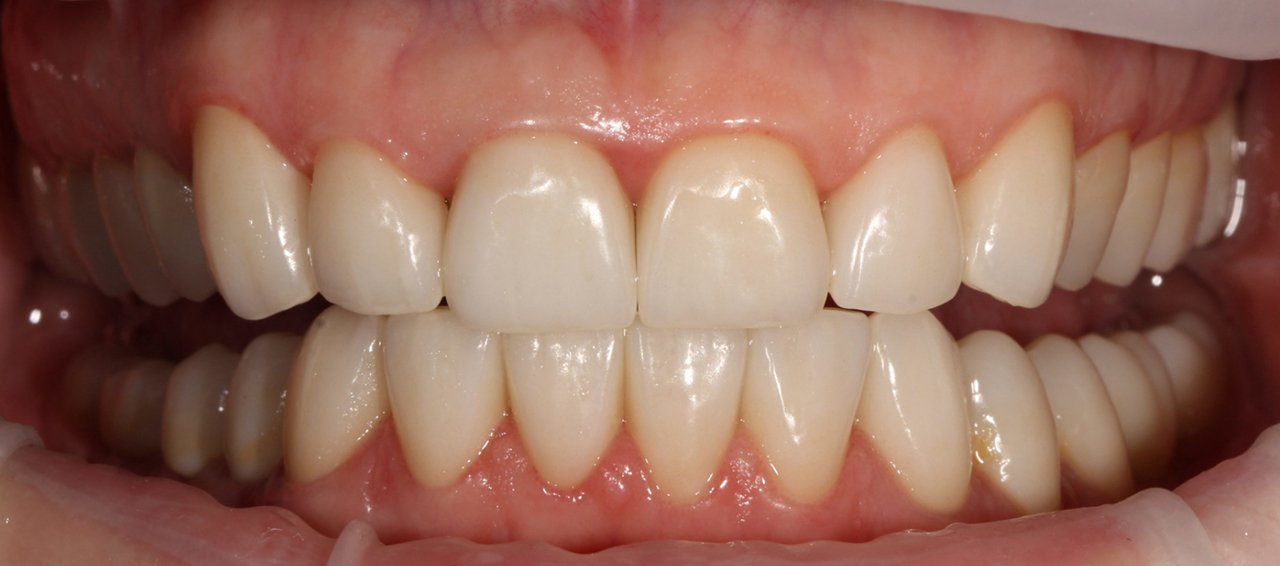
Result
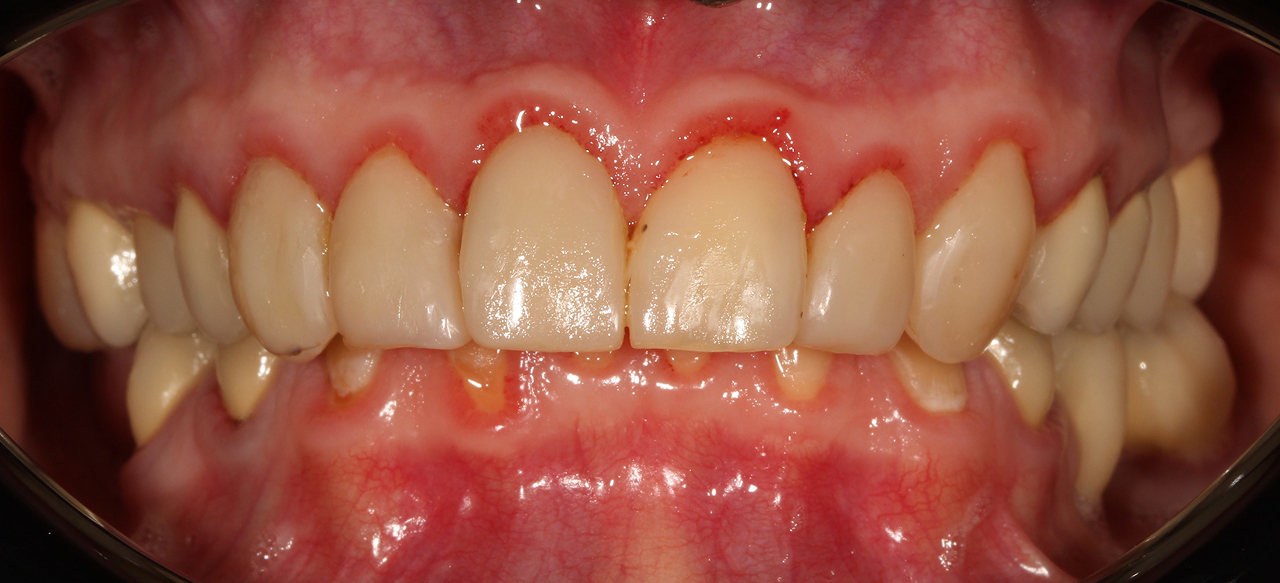
Problem
Treatment
- Full therapeutic treatment
- Bite height restored
- Harmonious ceramic restoration
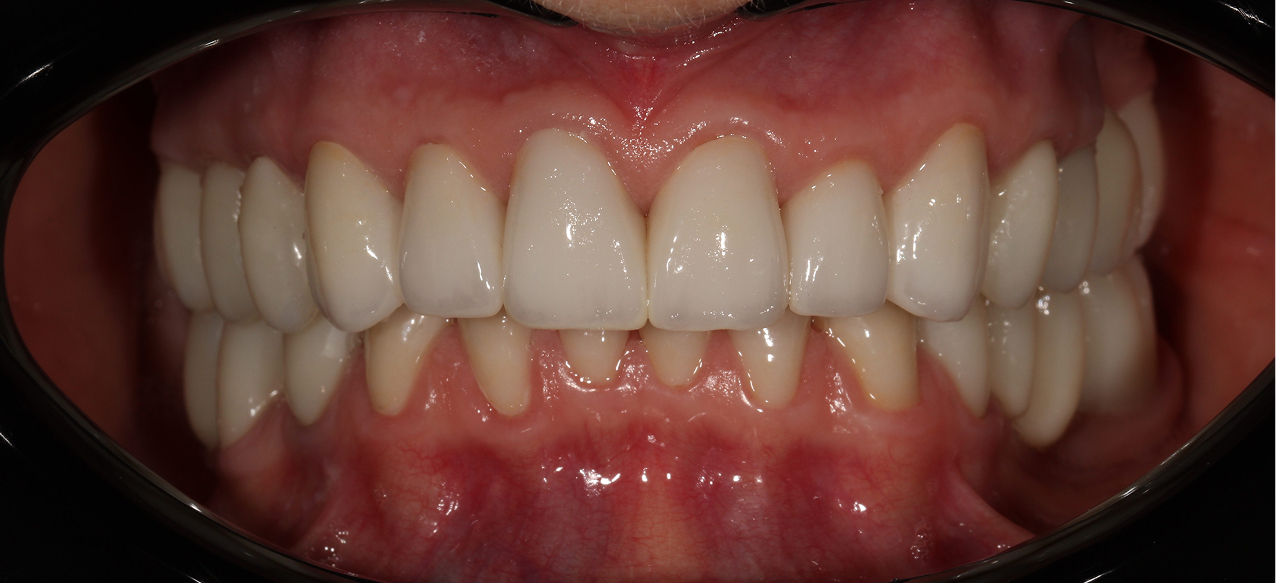
Result
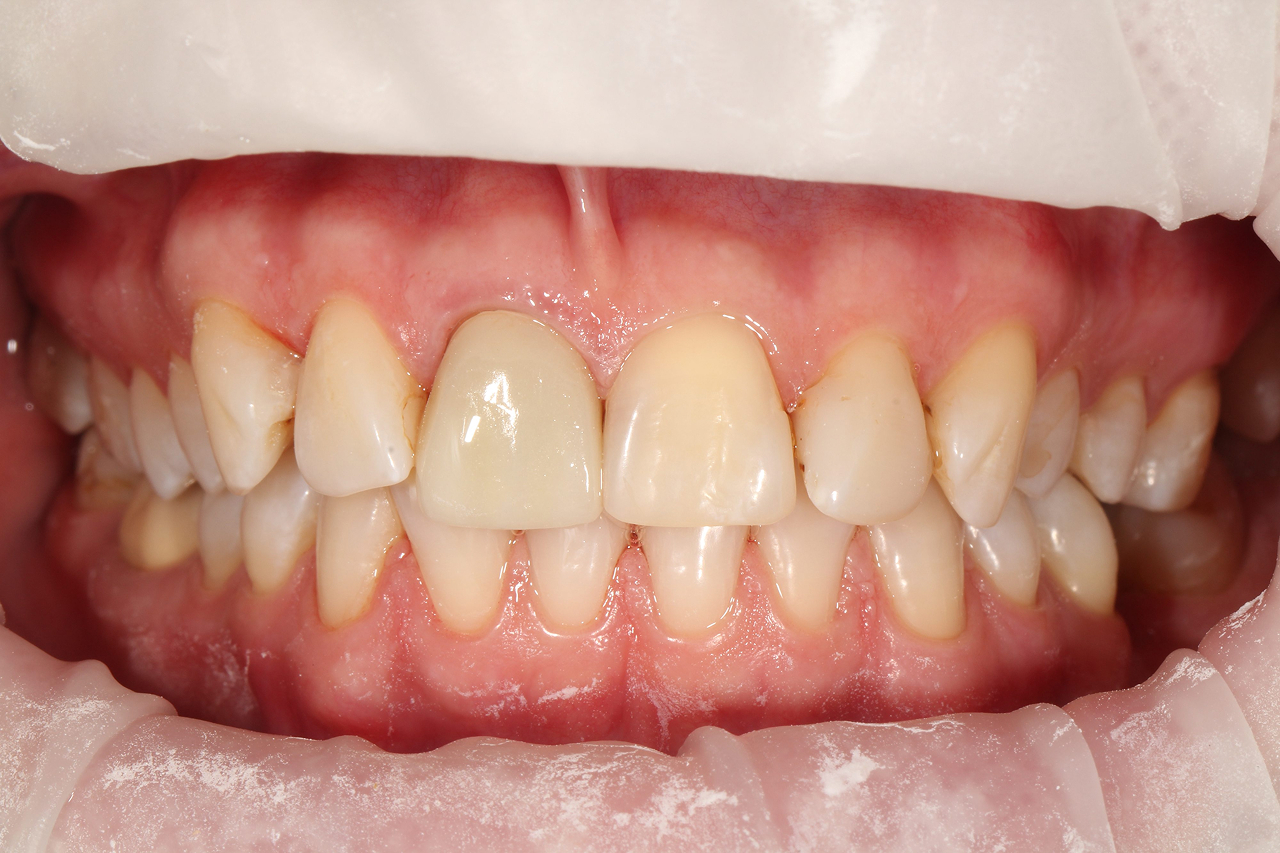
Problem
Treatment
- Endodontic treatment performed
- Anatomical tooth shape restored
- Ceramic veneers bonded
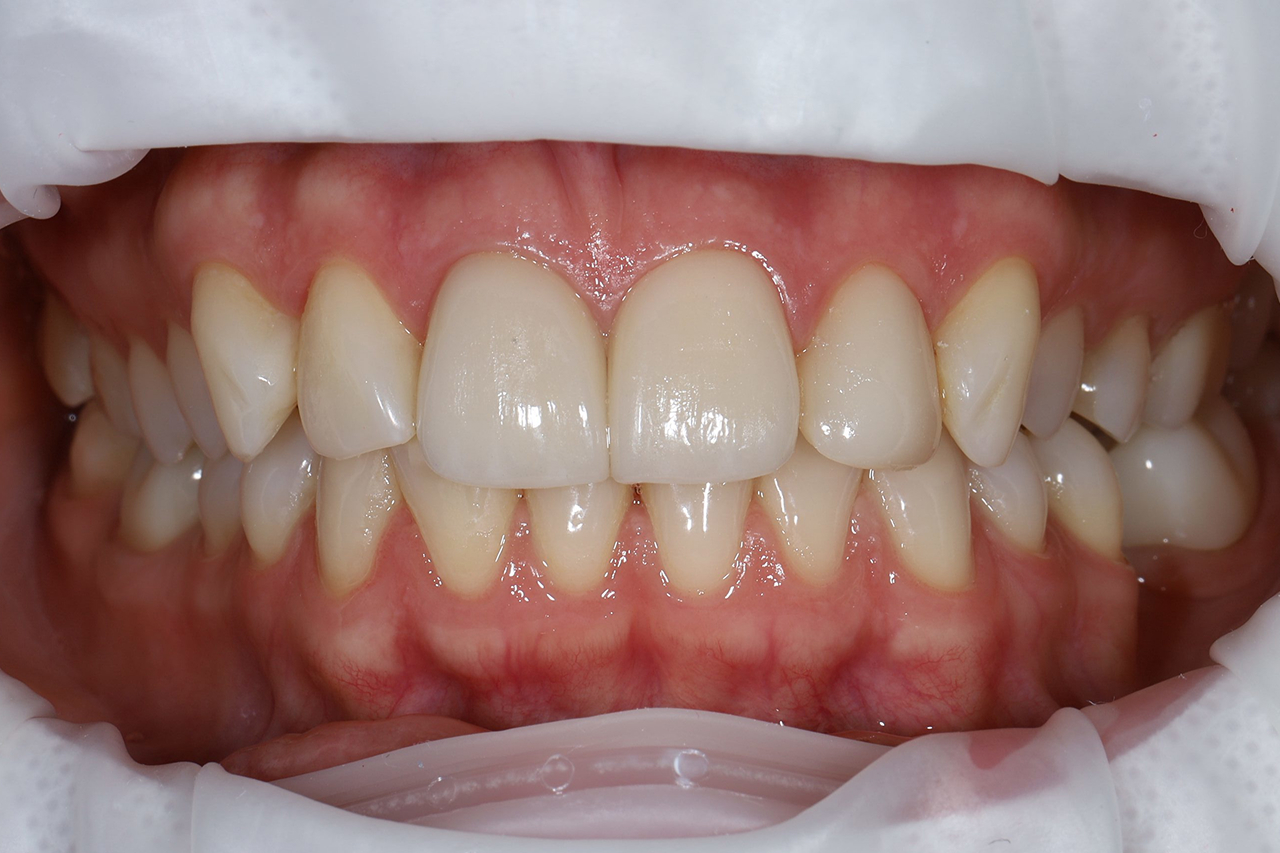
Result
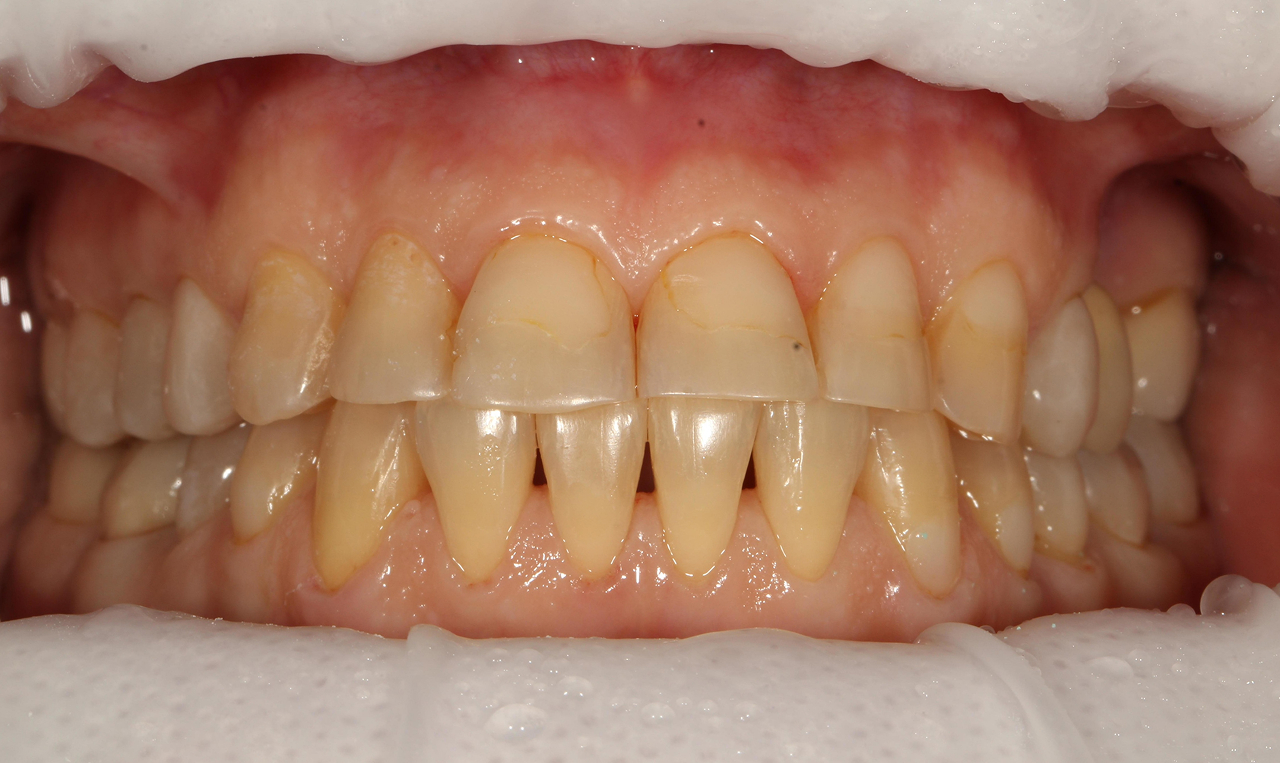
Problem
Treatment
- Full oral sanitation performed
- Anatomical shape restored
- Ceramic restorations placed
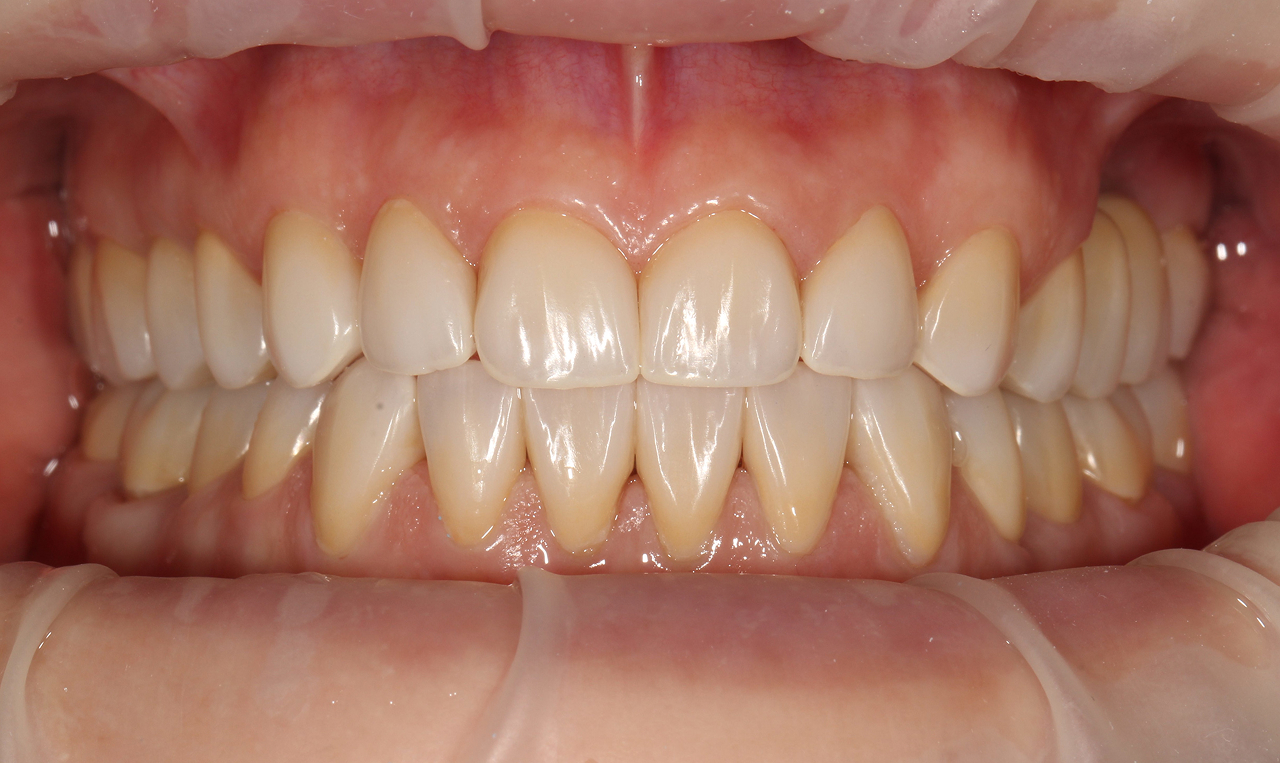
Result
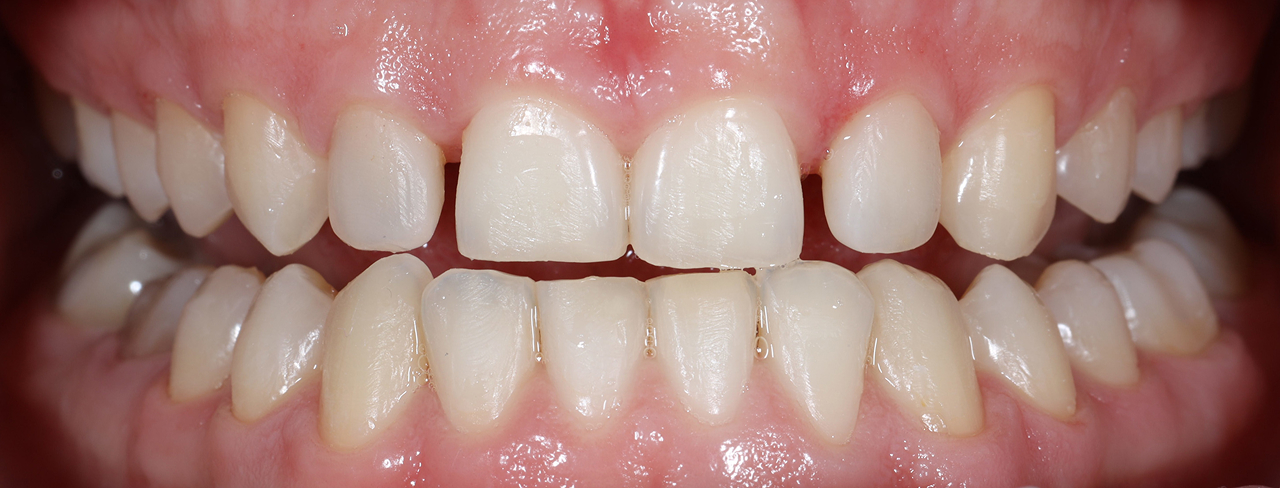
Problem
Treatment
- Ideal shape created
- Natural shade selected
- E.max veneers bonded
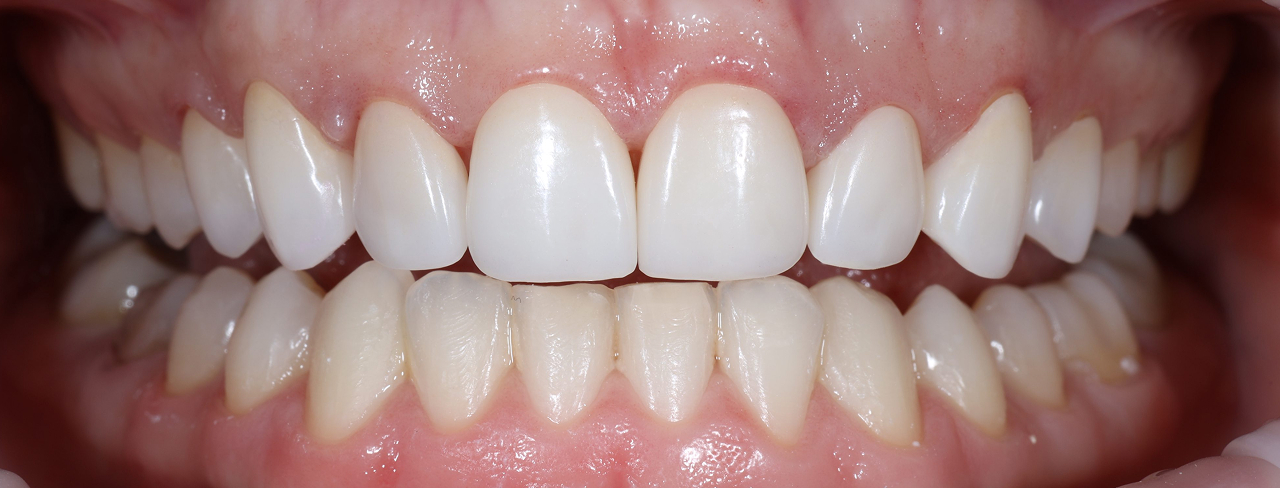
Result
Book a Consultation
By clicking the button, you accept the Privacy Policy and consent to the processing of personal data
Questions
Which material is better for veneers — composite or ceramic?
Do teeth need to be ground down a lot for veneers?
How long do veneers last?
Can veneers be placed on just 2–4 front teeth?
Do veneers look natural?
Veneers are thin shells placed on the front surface of the teeth to restore the aesthetics of a smile. In dentistry, they are used to correct the shape, color or position of teeth in the aesthetic zone. The decision to place veneers is made after a consultation with a dentist and an assessment of the teeth.
At ELITES in Lviv, the decision to place veneers is made individually after assessing the condition of the enamel, the bite and overall oral health. The dentist determines whether veneers are suitable in the specific clinical situation and selects the best treatment option, taking the patient’s wishes into account.
Before making a decision, the patient receives information about the types of veneers, how they are placed, and their indications and contraindications. This allows you to make an informed choice together with your dentist.
What Veneers Are and Why They Are Placed
Dental veneers are prosthetic restorations a fraction of a millimeter thick (the exact parameters depend on the clinical situation and the material) that are bonded to the front surface of the teeth. They change the appearance of a tooth and, when properly planned, generally do not affect chewing function. They are shells, not a complete replacement of tooth tissue.
Veneers are recommended when aesthetics need to be restored but full prosthetic treatment is not required. These may be cases of minor enamel defects that cannot be resolved with conservative methods, or situations where the patient wants to change the color of their teeth after consulting a dentist.
Veneers are placed in the smile zone — usually on the six or eight front teeth of the upper jaw, less often on the lower jaw. The dentist assesses the bite, enamel and gums before recommending this treatment method.
Veneers are used primarily in aesthetic dentistry to improve the appearance of the front teeth. The final decision on whether the procedure is appropriate is made after diagnostics, which include an assessment of the enamel, the bite and overall oral health. The type of veneers chosen affects both the treatment result and the cost of the procedure.
When Veneers Are Recommended
Indications for Veneers
Veneers are considered as a treatment option in the following clinical situations:
- Enamel discoloration that cannot be corrected with whitening (for example, tetracycline staining or fluorosis).
- Chips, cracks or minor defects in tooth shape.
- Diastemas or gaps between the teeth that the patient wants to close without orthodontic treatment.
- Minor enamel wear that requires restoration of the tooth’s anatomical shape.
- Situations where previous restorations have lost their aesthetic appearance while the tooth itself remains healthy.
The dentist determines the indications individually. In some cases, alternative methods may be offered — from cosmetic restoration to crowns, depending on the extent of tooth damage.
When Veneers Are Not Placed
There are situations where veneers are not recommended or are postponed until other dental problems are resolved:
- Significant destruction of tooth tissue, when a crown or another prosthetic method is needed.
- Active gum disease — periodontal treatment is carried out first.
- Bruxism (teeth grinding) without the use of a protective night guard.
- A malocclusion that places excessive load on the front teeth.
- Insufficient enamel thickness for safe tooth preparation.
In such cases, the dentist suggests another treatment or recommends eliminating the contraindications first and then returning to the question of veneers.
Types of Veneers: Which Option to Choose
The choice of veneer type depends on the clinical situation, the patient’s budget and the dentist’s recommendations. Dentistry uses two main types: ceramic and composite.
Ceramic Veneers
Ceramic veneers are made in a dental laboratory using modern technologies. The material is dental ceramic (depending on the system and clinical indications). Such restorations are highly aesthetic, color-stable and durable.
Making ceramic veneers requires taking impressions, preparing the teeth and placing temporary veneers while the permanent ones are being made. The price of ceramic veneers depends on the complexity of the work, the type of ceramic system and the number of teeth to be covered.
Ceramic veneers are recommended when the patient expects a long-lasting result and has enough healthy tooth tissue for preparation.
Composite Veneers
Composite veneers are made directly in the dental office from the composite material used for fillings. The procedure can be completed in a single visit, without impressions or waiting for laboratory fabrication.
Composite veneers are usually less expensive than ceramic ones, which makes them more affordable. At the same time, composite material can change color over time and needs periodic polishing.
This type of veneer is chosen for temporary correction when a quick result is needed, or as a first step before deciding on longer-lasting restorations.
Veneers: Pros and Cons
Like any dental treatment method, veneers have their advantages and limitations.
Advantages:
- Restoring aesthetics without significant intervention in the tooth structure (compared to crowns).
- The ability to change the color of teeth that do not respond to whitening.
- Correcting the shape and size of teeth in the smile zone.
- Ceramic veneers retain their color for a long time.
Limitations:
- The need to prepare (reduce) the enamel, which is an irreversible procedure.
- Requirements for good hygiene and regular dental check-ups.
- The lifespan of veneers depends on the material, the bite, the quality of hygiene and the regularity of preventive check-ups; over time, the restorations may need to be replaced.
- Not every clinical situation is suitable for veneers.
The dentist discusses these points during the consultation so that the patient can assess whether the procedure is right for them.
Veneers or Crowns — Which to Choose
The choice between veneers and crowns depends on the amount of remaining tooth tissue and the functional condition of the tooth.
Veneers cover only the front surface of the tooth and are suitable when the tooth is healthy but needs aesthetic correction. Preparing a tooth for a veneer is less invasive — only a thin layer of enamel is removed.
Crowns cover the entire tooth and are recommended when there is significant damage, large fillings or a need to restore chewing function. A tooth is reduced more for a crown, but this makes it possible to strengthen a weakened structure.
The dentist assesses each tooth separately. In some situations, veneers are placed on some teeth and crowns on others, depending on clinical needs.
Do Veneers Damage Teeth
Whether veneers affect the teeth depends on the quality of preparation, adherence to the placement protocol and subsequent care.
The veneer procedure itself involves removing a minimal layer of enamel (the amount depends on the clinical task and the type of veneer). This is an irreversible change to the tooth structure. When performed correctly, the procedure does not harm the tooth, provided the treatment protocol is followed, sufficient hard tissue thickness is preserved and the restoration is bonded properly.
Problems may arise when:
- The preparation was too aggressive.
- The bonding protocol was not followed, leading to microleakage.
- The patient does not follow hygiene recommendations.
With a professional approach and regular check-ups, the teeth under veneers stay healthy. The dentist assesses the enamel before the procedure and declines to place veneers if the tissue thickness is insufficient.
How Veneers Are Placed at Our Clinic
Veneers are placed in Lviv in several stages:
- Consultation and diagnostics
During the first visit, the dentist carries out an examination, orders an X-ray if necessary, and assesses the bite and enamel. The patient’s wishes, indications and contraindications are discussed. The dentist proposes a treatment plan and explains what results can be expected.
- Tooth preparation
At the second visit, the teeth are prepared — a thin layer of enamel is removed under local anesthesia (if needed). Impressions or a digital scan are taken to make the veneers. Temporary veneers may be placed for this period.
- Making the veneers
Ceramic veneers are made in the laboratory within 1–2 weeks. Composite veneers can be made right away in the dental office.
- Bonding
The finished veneers are checked for shape and color and then bonded to the teeth with a special dental cement. The dentist checks the bite and polishes the edges.
The number of visits and the length of treatment depend on the type of veneers and the number of teeth.
How Much Do Veneers Cost in Lviv
What Affects the Price of Veneers
The price of veneers in Lviv depends on several factors:
- Type of restoration: ceramic veneers cost more than composite ones because of the complexity of fabrication and the materials used.
- The number of teeth to be covered.
- The need for preliminary treatment (oral sanitation, professional cleaning, gum treatment).
- The use of digital scanning and smile design technologies.
The cost of an E.Max ceramic veneer at ELITES starts from UAH 22,950 per tooth. The exact price depends on the clinical situation, the number of veneers, the need for preliminary treatment and the extent of tooth preparation.
The final cost of veneers is determined after an examination and diagnostics. The dentist assesses the condition of the teeth, the number of restorations and the need for preliminary treatment, and draws up a detailed plan with the cost of each stage.
What Is Usually Included in the Cost
When the dentist recommends veneers, the cost usually includes:
- Consultation and diagnostics (examination, X-ray if needed).
- Tooth preparation and impressions or a digital scan.
- Fabrication of the veneers (laboratory stage for ceramic veneers or the dentist’s work for composite ones).
- Bonding of the restorations and a follow-up check after placement.
The patient receives information about the cost before treatment begins, which helps plan the budget. Current prices for dental services can also be found on our prices page. It is important to understand that a lower price is not always an indicator of quality. It is better to choose a clinic with experienced dentists and modern equipment.
Caring for Veneers After Placement
After veneers are placed, it is recommended to follow standard hygiene rules:
- Brush your teeth twice a day with a toothbrush and toothpaste.
- Use dental floss to clean between the teeth.
- Visit your dentist for preventive check-ups every 6 months.
- Avoid excessive load on the front teeth (do not open bottles with your teeth or bite hard objects).
Ceramic veneers are resistant to staining, but good hygiene remains important for the health of the gums and the teeth beneath the restorations. Composite veneers may need periodic polishing at the dentist.
If you experience discomfort, feel an uneven edge or notice discoloration at the edge of a veneer, see your dentist for an examination.
Dental Consultation and Booking an Appointment
The decision to place veneers is made after a consultation with a dentist. During the examination, the dentist assesses the clinical situation, explains the possible treatment options and answers your questions.
If you have questions about the condition of your teeth or are considering veneers as a treatment option, we recommend booking a consultation. The dentist will carry out diagnostics and suggest an individual plan that takes into account your wishes and medical indications.
A consultation gives you objective information about what veneers are, whether they are suitable in your case and how much veneers will cost for your clinical situation.