

- ELITES
- Braces
Orthodontic Braces in Lviv - A Modern Approach to Straightening Teeth
APPROACH
BRACES TREATMENT AT ELITES
Diagnostics Before Treatment
Choosing a Braces System
Monitoring and Retention
Diagnostics Before Treatment
Choosing a Braces System
Monitoring and Retention
When to Consult an Orthodontist
- Your teeth are crowded or partially overlap each other
- There are noticeable gaps between your teeth
- Your teeth do not meet evenly or some teeth do not touch
- Some areas are hard to clean properly because of the position of your teeth
- A prosthesis or implant is planned and space needs to be prepared for the restoration
- You need to compare braces with other orthodontic treatment options
Want to find out which treatment option is right for you?
The Process
01
Consultation and Diagnostics
02
Preparation and Bonding the Braces
03
Check-ups and Adjustments
04
Removing the Braces and Retention
What's Included in the Consultation
- Collecting complaints, wishes and medical and dental history
- Examination of the teeth, gums, dental arches and how the teeth meet
- Preliminary assessment of the orthodontic situation
- Determining the necessary set of X-rays, photos or digital scans
- Discussion of possible methods and types of braces systems
- Explanation of preparation, stages, estimated timeline, visits and cost
Pricing
Procedure
Price
Doctors

Kaznokh Anna Heorhiivna
- – Orthodontist
- – 7 years of experience
Kaznokh Anna Heorhiivna
- – Orthodontist
- – 7 years of experience
Treatment Results and Patient Reviews
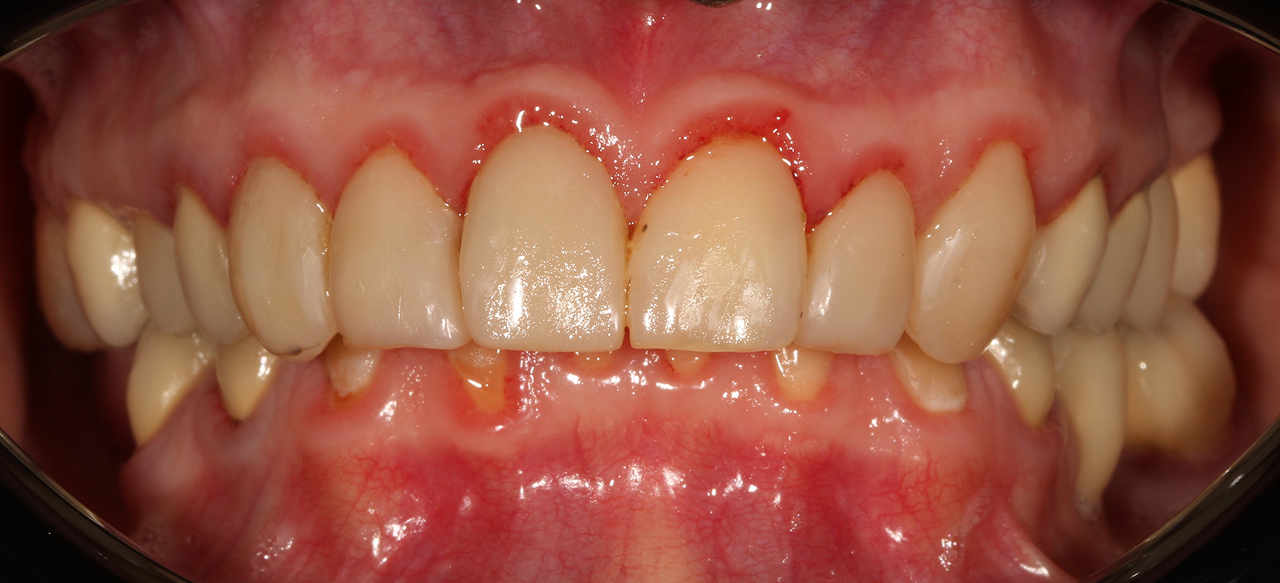
Problem
Treatment
- Full therapeutic treatment
- Bite height restored
- Harmonious ceramic restoration
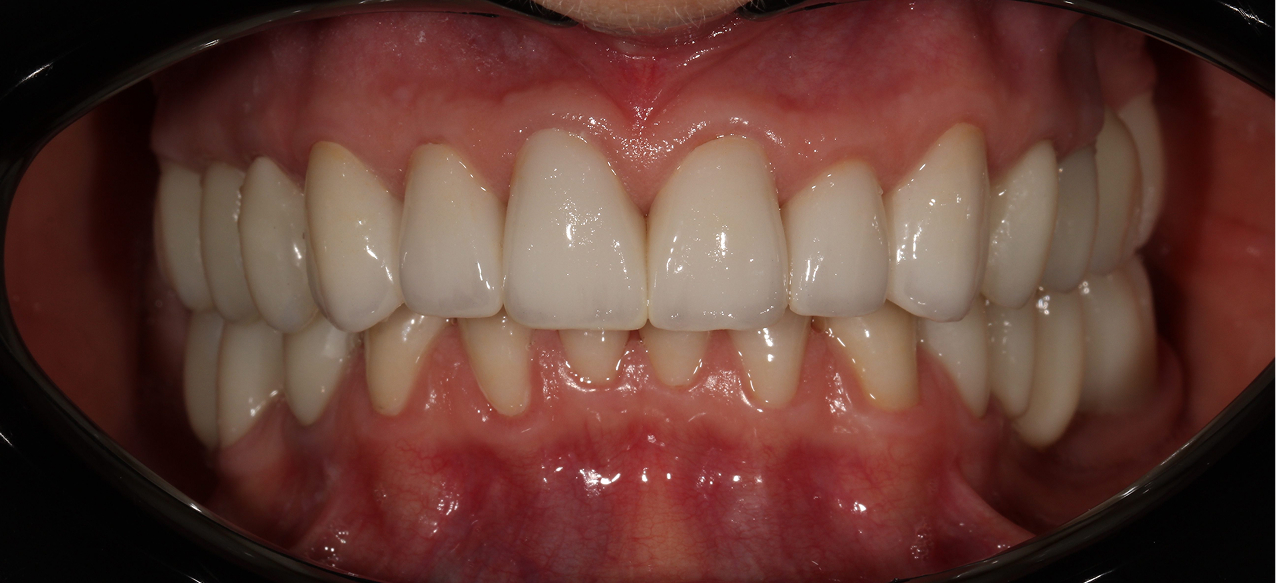
Result
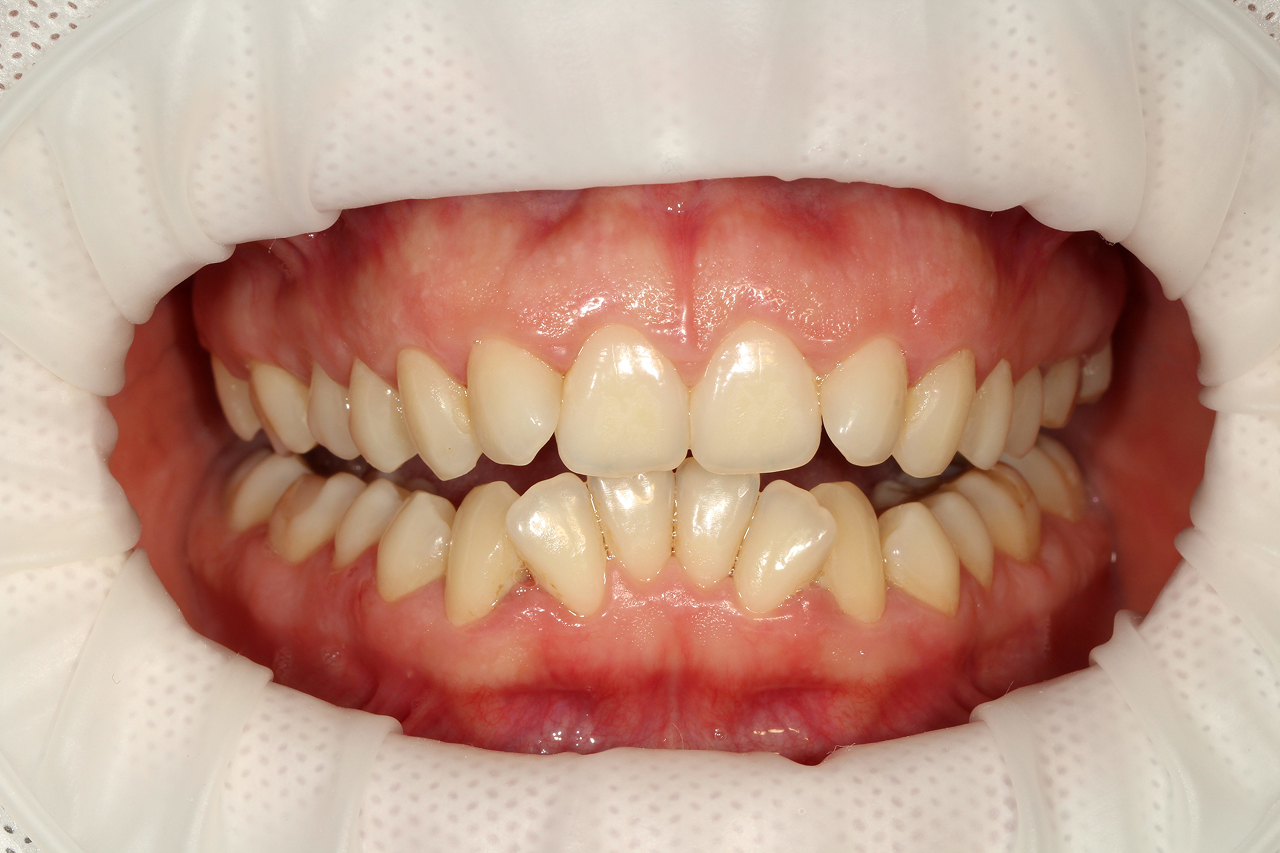
Problem
Treatment
- Bite corrected
- Harmonious smile restored
- Chewing function restored
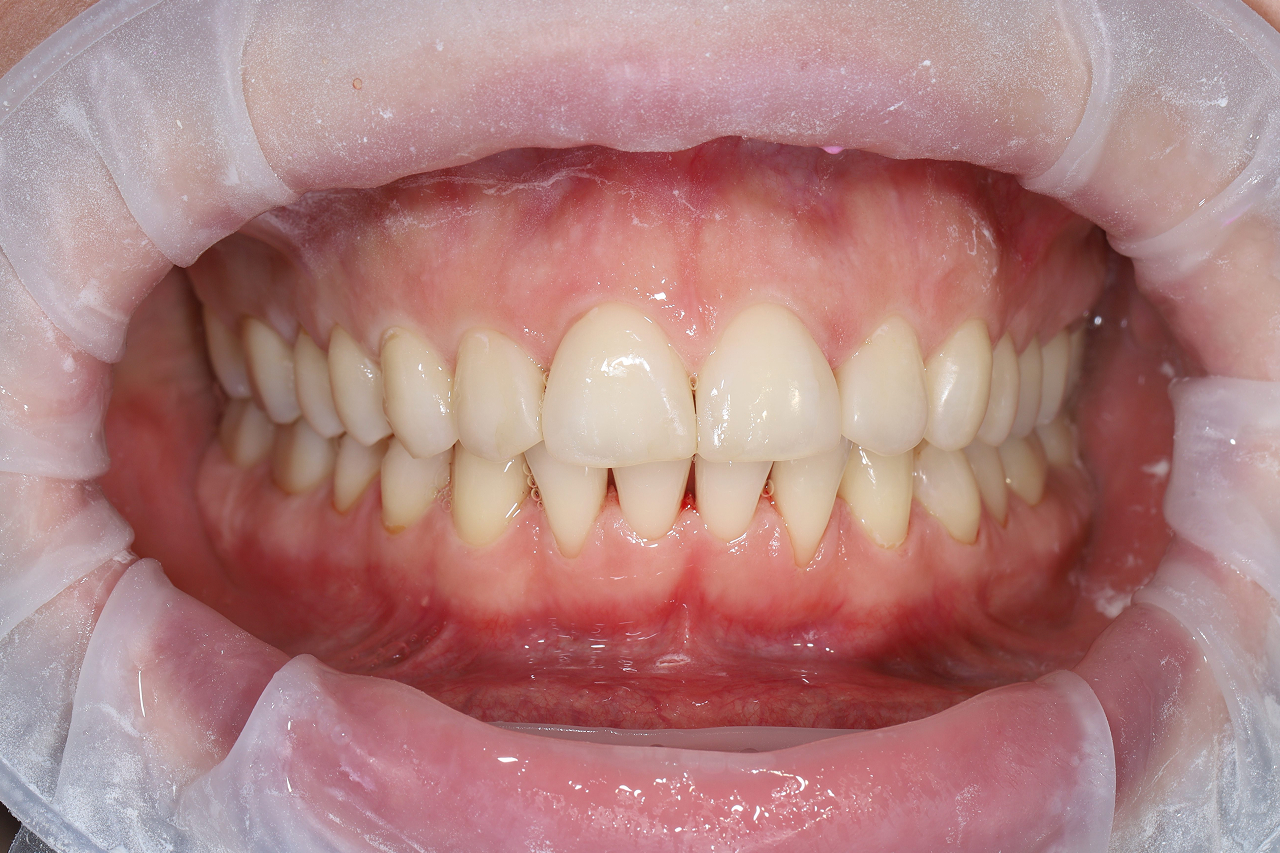
Result
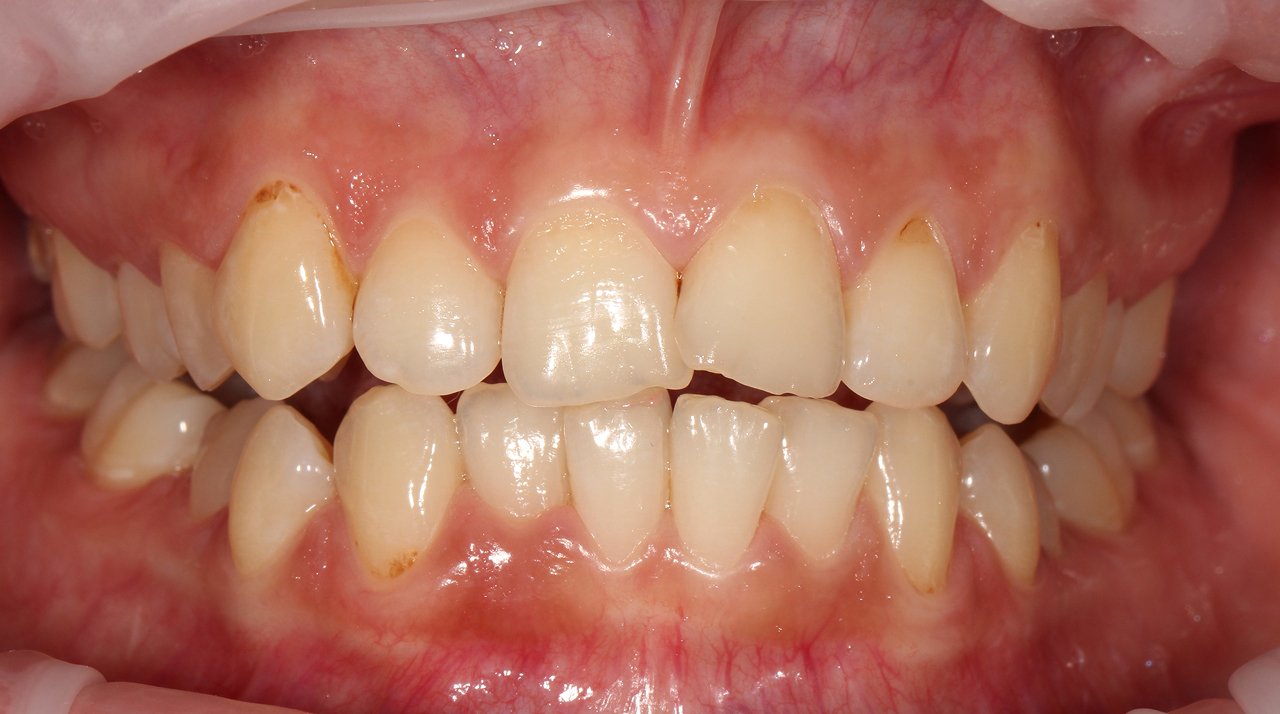
Problem
Treatment
- Full oral sanitation performed
- Bite corrected with braces
- Dentition aligned
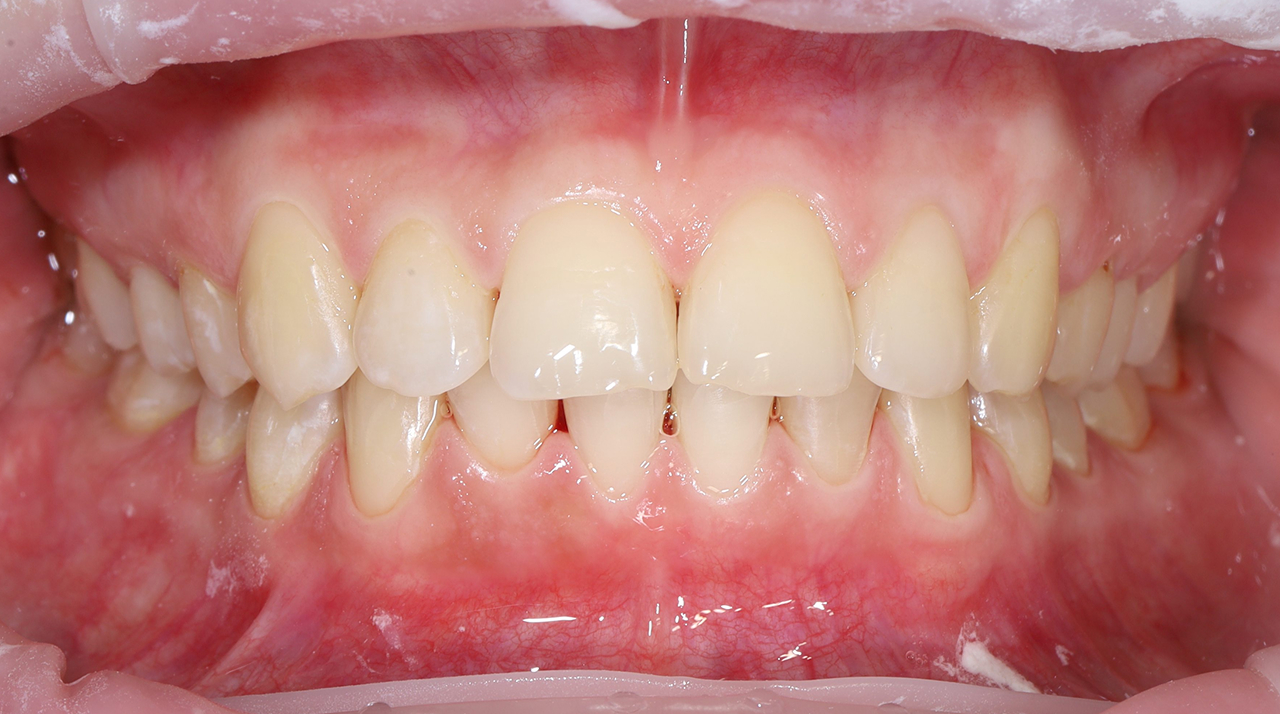
Result
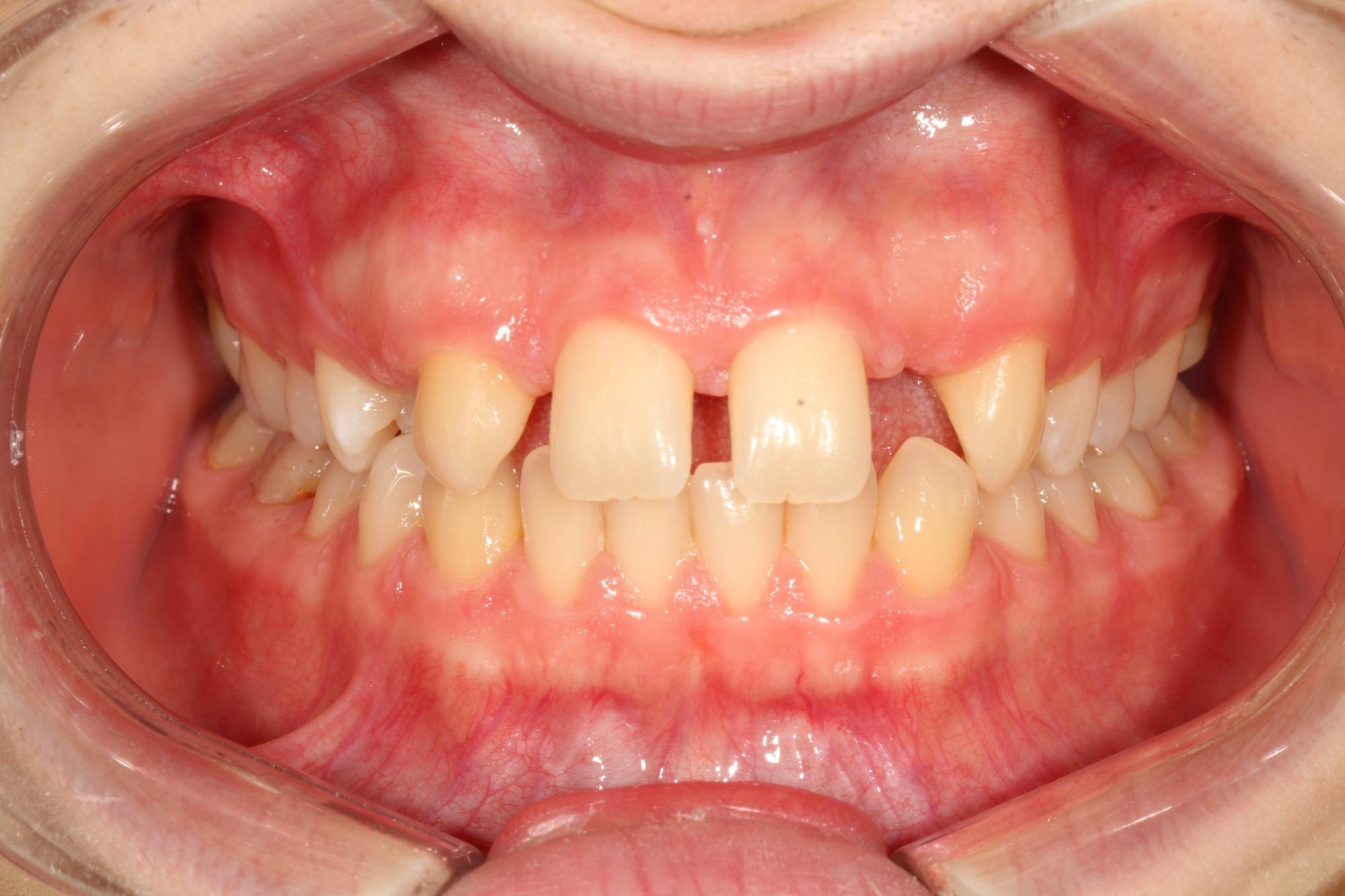
Problem
Treatment
- Orthodontic treatment performed
- Implant placement and bone grafting
- Chewing function restored
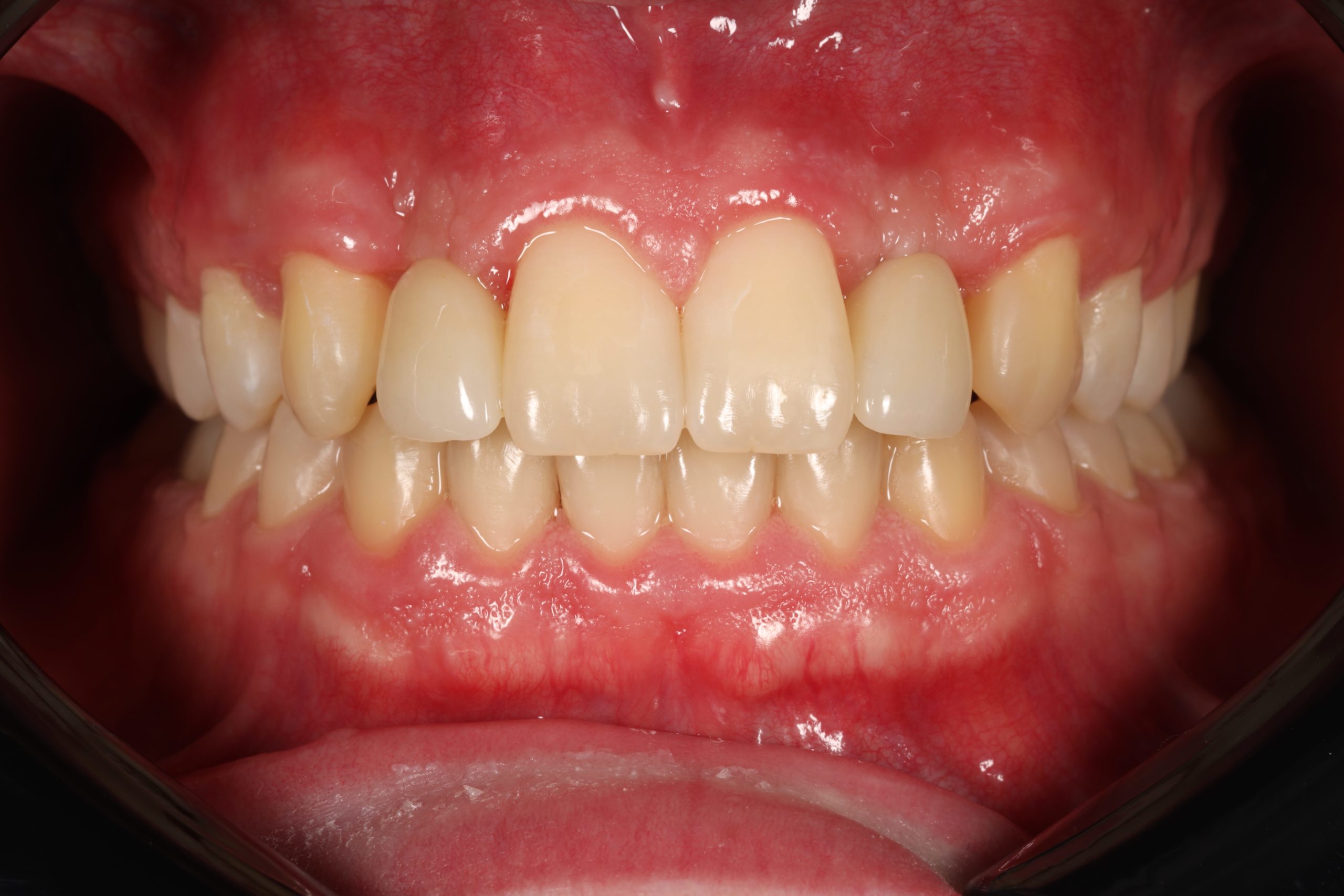
Result
Book a Consultation
By clicking the button, you accept the Privacy Policy and consent to the processing of personal data
Questions
How long does treatment with braces take?
Is wearing braces painful?
Are there less visible braces?
What is the best age for braces?
How should I care for my teeth with braces?
Straight teeth are not only about aesthetics. A correct bite affects chewing, speech, the health of the jaw joints and even how often caries develops. Braces are one of the most reliable methods of orthodontic treatment. At our clinic in Lviv, you can complete the full course: from the first consultation to removal of the system.
What Braces Are
Braces are a fixed orthodontic system that gradually moves the teeth into the correct position. The system consists of brackets that are bonded to the surface of the teeth and an archwire that runs through them and applies even pressure.
Unlike aligners, braces work around the clock and allow the orthodontist to control each tooth movement more precisely. That is why orthodontic braces remain the gold standard for complex clinical cases — severe crowding, open or deep bite, pronounced asymmetry.
Modern systems differ significantly from those of 10–15 years ago: they are smaller, more comfortable and made of materials that meet the needs of different patients.
When Braces Are Needed
An orthodontist may recommend braces in the following situations:
- Crowded teeth — when there is not enough space in the dental arch and the teeth grow in the wrong direction.
- Gaps between the teeth — diastemas and spaces that affect function and aesthetics.
- Deep or open bite — the upper teeth overlap the lower ones excessively, or there is a vertical gap between them.
- Crossbite — misalignment of the upper and lower jaws relative to each other.
- Distal or mesial bite (overbite or underbite) — an abnormal relationship between the jaws in the horizontal plane.
The exact indications are determined by the orthodontist after an examination and diagnostics. It is impossible to assess the complexity of your case on your own — some problems that are not noticeable at first glance require serious treatment, and vice versa.
How Braces Are Placed
Consultation
The first appointment is a chance to meet the orthodontist and get a preliminary assessment of your teeth and bite. The orthodontist carefully examines your mouth, asks about your complaints and wishes, and explains which treatment options are suitable in your case. The consultation takes about 30–40 minutes.
Diagnostics
Before treatment, it is necessary to obtain a complete clinical picture. For this, the following are performed:
- Panoramic X-ray (orthopantomogram) — shows all the teeth, roots and bone.
- Cephalometric X-ray — a lateral skull X-ray to analyze the relationship between the jaws.
- Digital 3D scan — impressions of the teeth are taken for precise planning of tooth movements.
Based on this data, the orthodontist draws up an individual treatment plan and agrees it with the patient.
Placement
Bonding the braces takes 1 to 2 hours depending on the system and the clinical situation. The orthodontist etches and dries the enamel, applies a special adhesive and bonds each bracket to the corresponding tooth. Then the archwire is threaded through the brackets — and the system starts working. The procedure does not require anesthesia and is painless, although for the first 2–4 days after bonding or changing the archwire, the teeth may react to the pressure.
Monitoring Treatment
After placement, the patient comes for scheduled check-ups every 4–8 weeks. At each visit, the orthodontist assesses progress, replaces or tightens the archwire and adds auxiliary elements if necessary. The average duration of active treatment is 12 to 24 months, depending on the complexity of the case. After the braces are removed, retainers must be worn to secure the result.
Types of Braces
Metal Braces
The classic and most common system. Made of a steel alloy, metal braces are reliable, move teeth precisely and are affordable. Modern metal brackets are much smaller than they were a few decades ago — they are less noticeable and more comfortable to wear. They are suitable for most clinical situations, including complex cases.
Ceramic Braces
Made of tooth-colored polycrystalline ceramic, they are much less noticeable against the enamel than metal braces. Ceramic braces are just as clinically effective but look more aesthetic. They suit adult patients for whom appearance during treatment matters: at work, in public communication and at events.
Sapphire Braces
Made of monocrystalline sapphire — a translucent material that looks as close as possible to enamel. Sapphire braces are the most aesthetic option among fixed systems: they are practically invisible on the teeth and do not change color throughout treatment. This type is chosen by patients for whom aesthetics during treatment is a priority.
Self-Ligating Braces
Self-ligating braces are a system in which the orthodontic archwire is held in the bracket without traditional elastic ligatures. ELITES uses metal and ceramic self-ligating braces systems. The choice of a specific option depends on the clinical situation, aesthetic requirements and the orthodontic treatment plan.
Braces for Adults
Orthodontic treatment in adults has its own specifics: the bone is already fully formed, so teeth move somewhat more slowly than in teenagers. At the same time, adult patients are disciplined and follow recommendations closely — which has a positive effect on the result.
Before starting treatment, it is important to make sure that caries has been treated and there are no active inflammatory processes in the gums. Ceramic and sapphire systems are especially popular with adults because they look aesthetic in everyday life.
Braces for Teenagers
Adolescence is the optimal time for orthodontic treatment: the jaws are still growing, the teeth move faster and the result is more stable. Most teenagers get used to braces within a few weeks. Depending on their preferences, both metal and ceramic systems are placed. Metal braces for teenagers are often complemented with colored ligatures, which makes wearing them more fun.
How Much Do Braces Cost in Lviv
The price of braces in Lviv depends on the type of system and the number of jaws it is placed on. ELITES offers metal, ceramic and self-ligating braces. Below are the current prices for placing a braces system on one jaw.
| System | Cost (1 jaw) |
| Metal braces system | UAH 26,000 |
| Ceramic braces system | UAH 30,000 |
| Self-ligating metal braces system | UAH 30,000 |
| Self-ligating ceramic braces system | UAH 34,500 |
The cost includes placement of the system. Scheduled check-ups and archwire changes are charged separately according to the clinic’s price list. The orthodontist calculates the exact cost of the full course of treatment individually — after diagnostics and drawing up a treatment plan.
Why Choose Treatment at Our Clinic
Experienced orthodontists. Our clinic’s orthodontists specialize exclusively in orthodontics and have experience with complex clinical cases in patients of all ages.
Modern diagnostics. A digital 3D scan, cephalometric X-ray and panoramic X-ray make it possible to draw up an accurate treatment plan before the braces are placed — without guesswork or corrections “along the way”.
A wide choice of systems. We offer metal, ceramic and self-ligating braces — you choose the system that suits your budget and aesthetic preferences.
An individual approach. Every treatment plan is personal: the timeline, number of visits and approach depend on the specific situation, not on a template.
A convenient location in Lviv. The clinic is conveniently located with good public transport access — attending scheduled check-ups is comfortable even with a busy schedule.
Braces in Lviv — Book a Consultation
If you are considering braces in Lviv, the first step is a consultation with an orthodontist. At the appointment, the orthodontist will assess your teeth, answer all your questions and suggest treatment options based on your situation and wishes.
You can book a consultation in whatever way is convenient for you: through the form on our website, by phone or via messenger. We will find a convenient time and remind you about the visit in advance.
FAQ — Frequently Asked Questions About Braces
Is it painful to wear braces?
The placement itself is painless. In the first 2–4 days after bonding or changing the archwire, some discomfort is possible — the teeth react to the pressure. This is a normal reaction that passes quickly. Most patients describe it as “a feeling of pressure” rather than sharp pain.
How long does treatment take?
The average duration is 12 to 24 months. The exact timeline depends on the complexity of the case, the type of system and how regularly the patient attends scheduled check-ups. Some uncomplicated situations are resolved in 10–12 months, while more complex ones may take longer.
Can adults get braces?
Yes. There are no age restrictions for orthodontic treatment. Adult patients successfully undergo treatment with braces — the result depends on the condition of the teeth and gums, not on age. The main condition is the absence of active inflammatory periodontal disease and untreated caries.
How much does it cost to get braces in Lviv?
The cost of braces depends on the type of system and the number of jaws. At ELITES, the price of placing a braces system on one jaw starts from UAH 26,000. The orthodontist determines the exact cost of the full course of orthodontic treatment after a consultation and diagnostics.
How should I care for my teeth while wearing braces?
Oral hygiene becomes more thorough: after every meal, the teeth are cleaned with a toothbrush and interdental brushes. A water flosser is also recommended to remove food debris between the teeth and under the archwire. The orthodontist explains all the details of care at the first appointment after placement.
What happens after the braces are removed?
After active treatment is completed, retainers are placed — special devices that hold the teeth in their new position. Without retainers, the teeth may gradually return to their previous positions. Retainers can be removable (worn at night) or fixed (a thin wire bonded to the inner side of the teeth).