

- ELITES
- Tooth Extraction
Tooth Extraction in Lviv — Comfortable and Pain-Free During the Procedure
APPROACH
Tooth Extraction at Elites
Diagnostics Before the Procedure
An Individual Anesthesia Plan
Recommendations and Follow-up
Diagnostics Before the Procedure
An Individual Anesthesia Plan
Recommendations and Follow-up
When to See an Oral Surgeon
- A tooth is severely damaged and you need to find out whether it can be saved
- Pain persists or inflammation keeps recurring near a tooth or root
- There is swelling, pronounced discomfort or difficulty opening your mouth
- A tooth is very loose or a root fracture is suspected
- A wisdom tooth is erupting incorrectly, injuring tissues or causing complaints
- Extraction has been recommended as part of an orthodontic or other comprehensive plan
Need to find out whether a tooth can be saved?
The Process
01
Examination and Diagnostics
02
Preparation and Anesthesia
03
Tooth Extraction
04
Recommendations and Follow-up
What's Included in the Consultation
- Collecting complaints and medical and dental history
- Clarifying allergies, chronic conditions and medications
- Examination of the tooth, gums and surrounding tissues
- Assessment of whether the tooth can be saved
- X-ray or CT scan recommended if indicated
- Explanation of the method, anesthesia, risks, aftercare and estimated cost
Pricing
Procedure
Price
Doctors

Soltys Mykhailo Vasylovych
- – Chief Doctor, Dental Surgeon, Implantologist, Prosthodontist
- – 14 years of experience
Soltys Mykhailo Vasylovych
- – Chief Doctor, Dental Surgeon, Implantologist, Prosthodontist
- – 14 years of experience
Treatment Results and Patient Reviews
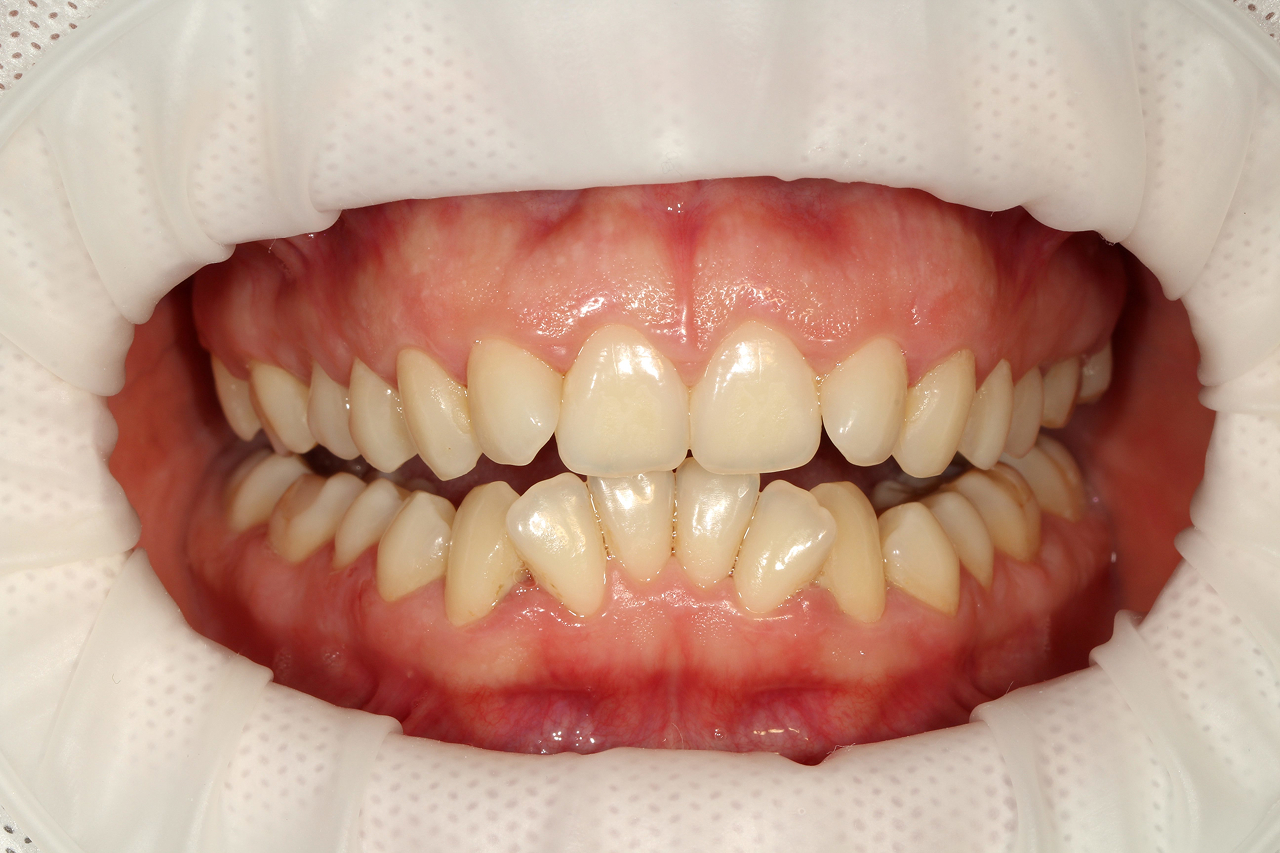
Problem
Treatment
- Bite corrected
- Harmonious smile restored
- Chewing function restored
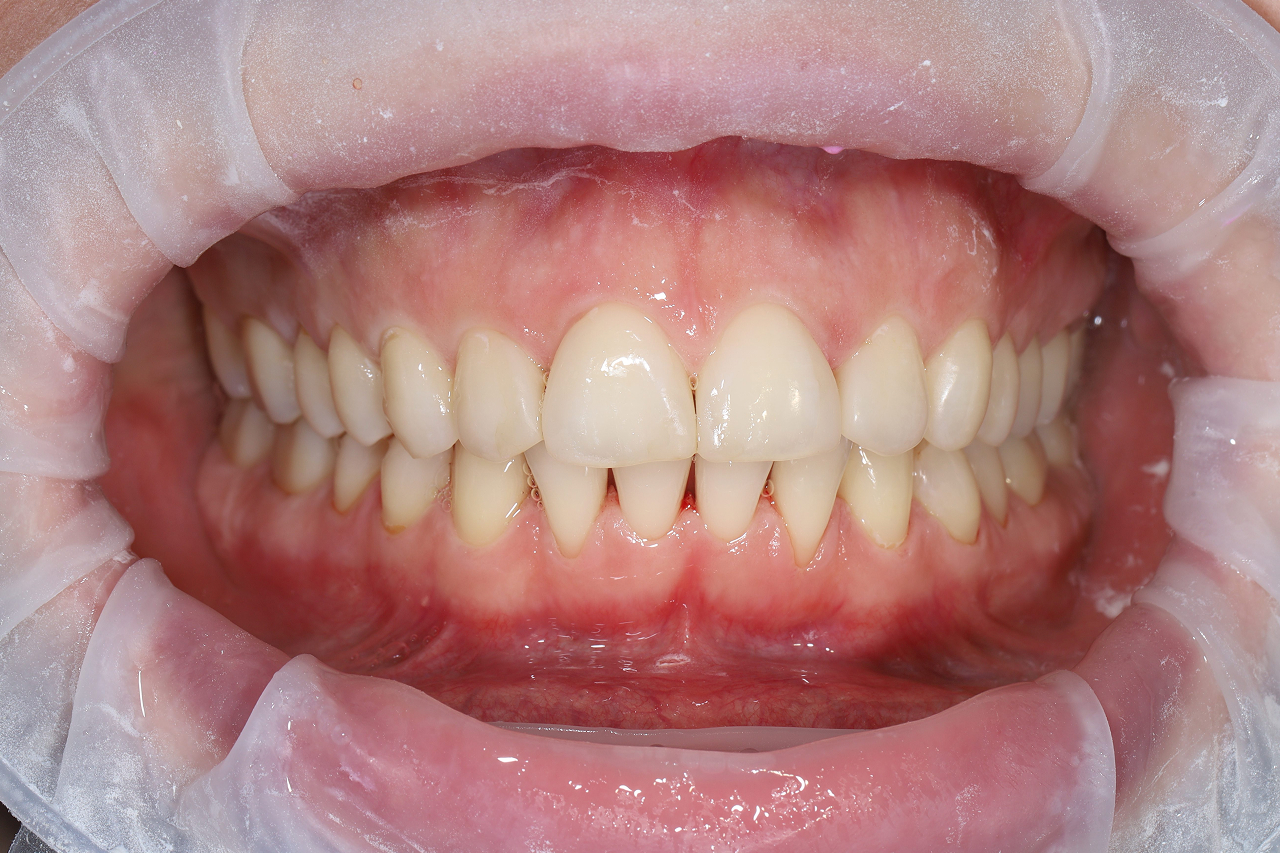
Result
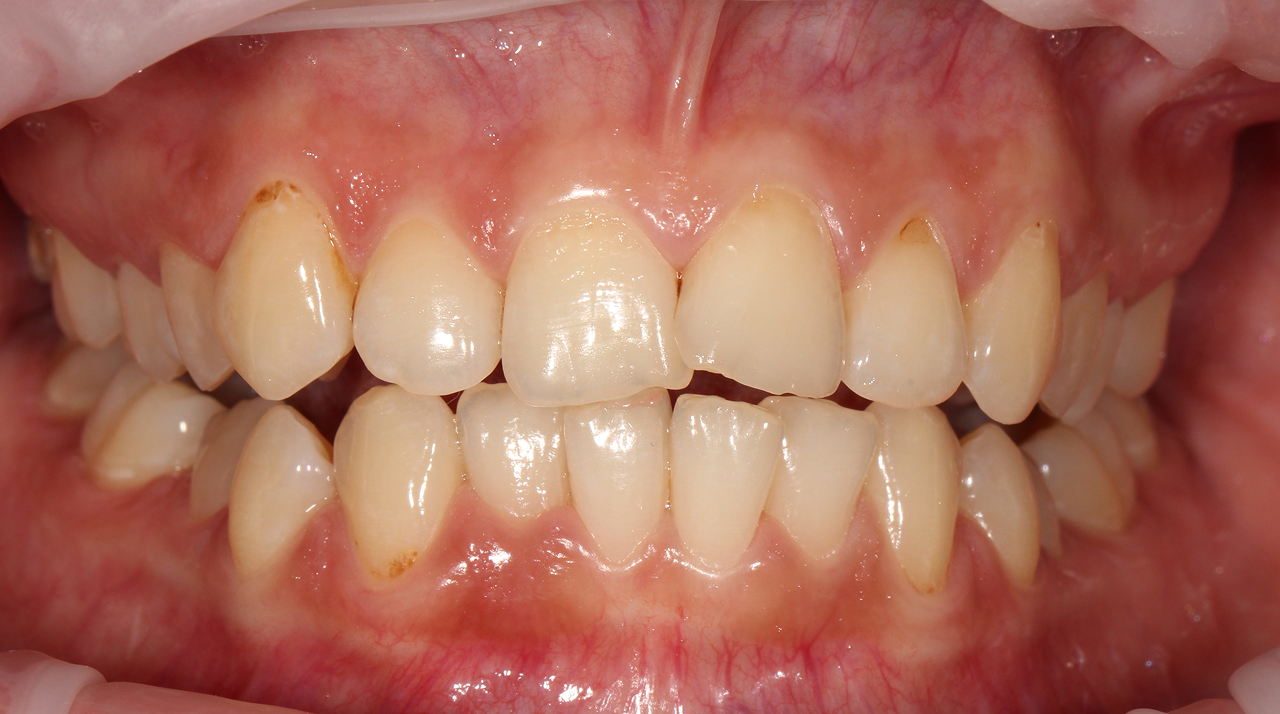
Problem
Treatment
- Full oral sanitation performed
- Bite corrected with braces
- Dentition aligned
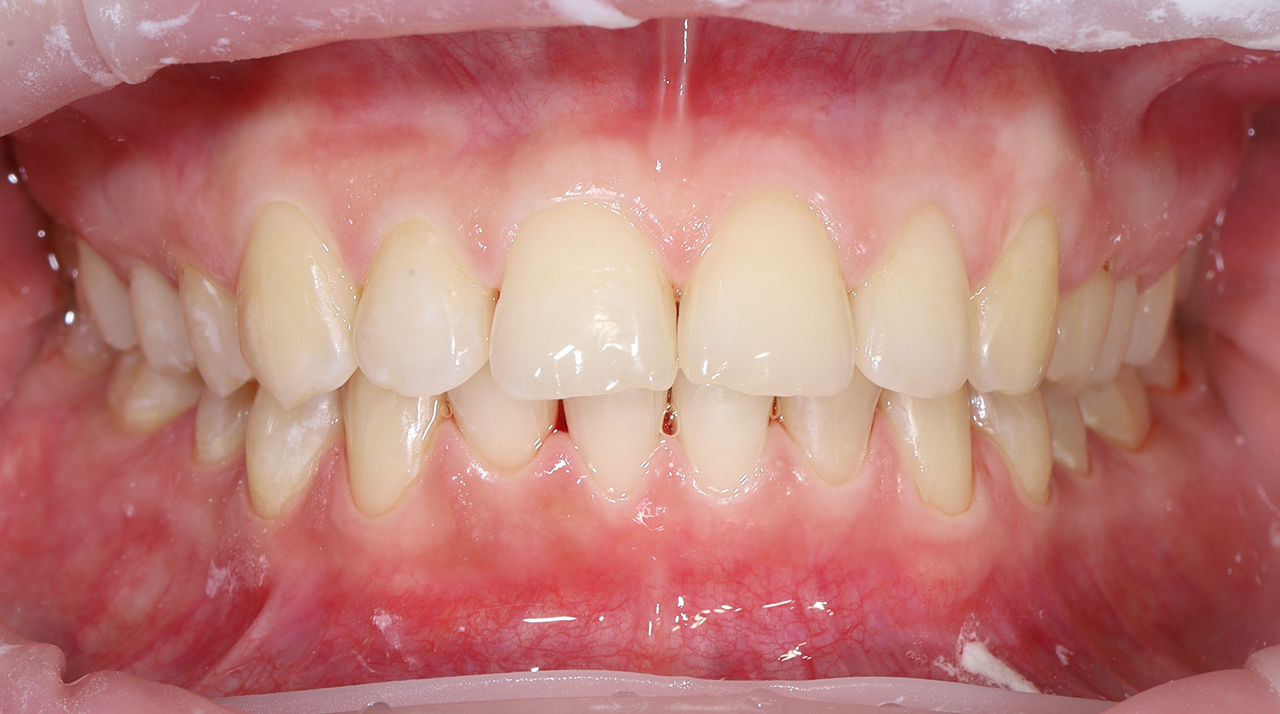
Result
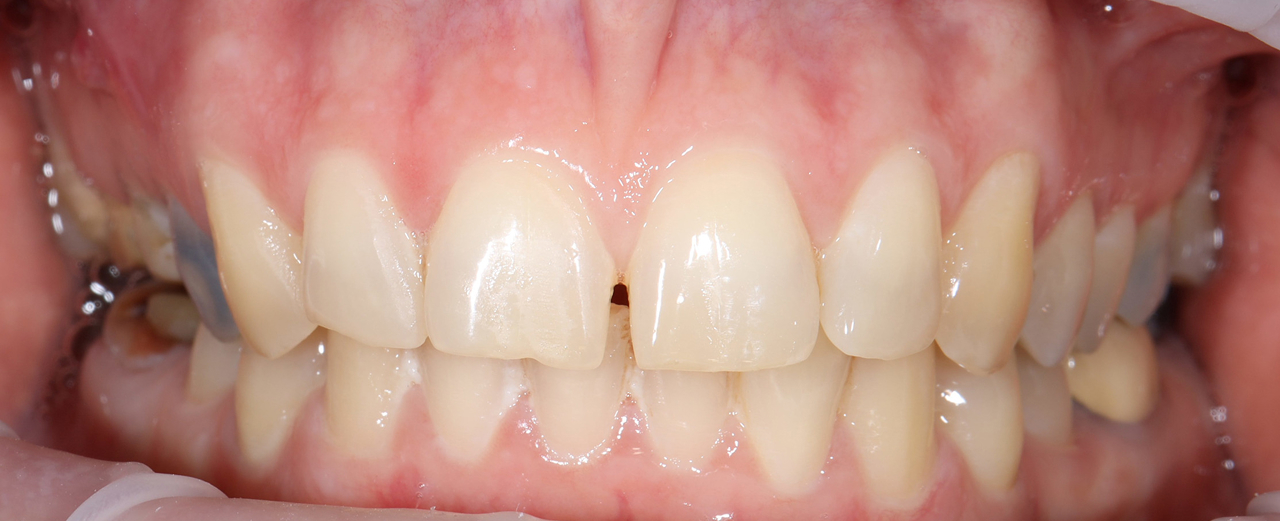
Problem
Treatment
- Oral sanitation and endodontics performed
- Dental implants placed
- Ceramic crowns fixed
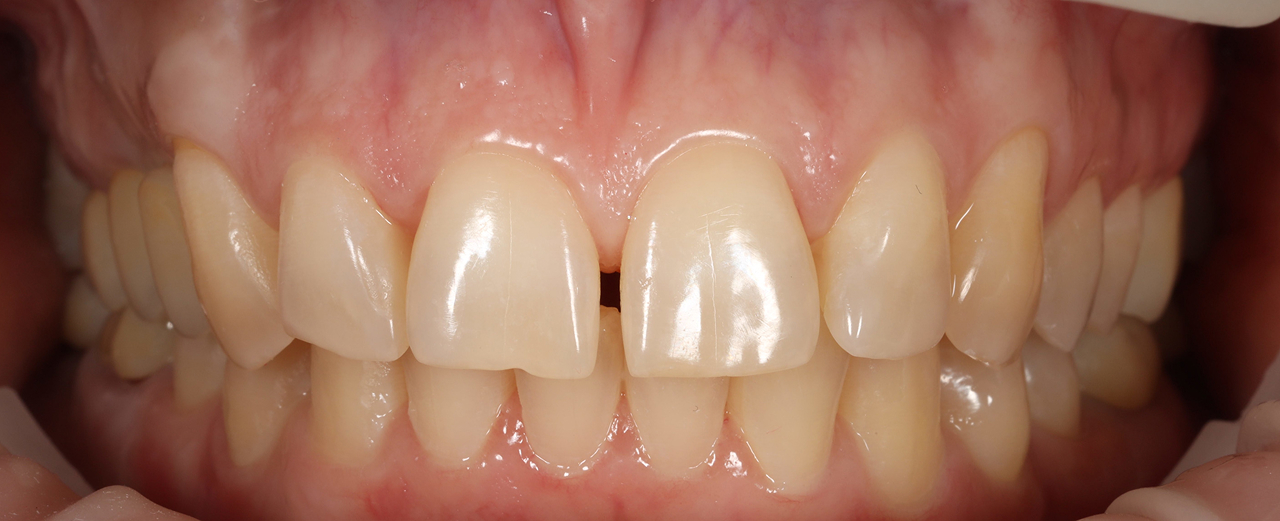
Result
Book a Consultation
By clicking the button, you accept the Privacy Policy and consent to the processing of personal data
Questions
Does tooth extraction hurt?
How long does the extraction site take to heal?
What can and can't I do after an extraction?
When should a tooth be extracted rather than treated?
Can a tooth be extracted if I have a cold or flu?
Tooth extraction is one of the most common procedures in oral surgery. Despite this, many patients put off their visit because of anxiety or fear of pain. In fact, modern anesthesia makes it possible to perform the procedure without pain — and most people say afterwards that they worried more than they needed to.
The oral surgeon at our clinic in Lviv handles both simple and complex cases: broken-down teeth, remaining roots and situations after unsuccessful previous treatment. It is important to understand that the decision to extract a tooth is made only after an examination and X-ray diagnostics. In some cases, the tooth can still be saved — the dentist will tell you this at the consultation.
When Tooth Extraction Is Necessary
The dentist recommends extraction only when a tooth cannot be saved or it is not advisable to save it. The most common indications are severe destruction of the crown, when a restoration will no longer give a stable result, and inflammatory processes in the bone or around the root that do not respond to conservative treatment.
Sometimes the cause is chronic gum inflammation with pronounced tooth mobility — advanced periodontitis, when there is no longer any point in keeping the tooth. A separate group of indications is orthodontic: if the jaw is overcrowded and there is no room for a correct bite, individual teeth are removed before or during orthodontic treatment.
Toothache that does not go away after treatment, or recurring inflammation around the root, is also a reason to reassess the situation. Sometimes the prognosis for treatment is so poor that there is simply no point in saving the tooth — the dentist assesses the situation and tells you so honestly at the consultation.
How the Tooth Extraction Procedure Works
Consultation and diagnostics. Everything starts with an examination and taking your medical history. The dentist will ask about allergies, chronic conditions and the medications you take. If needed, a periapical or panoramic X-ray is taken — X-ray diagnostics make it possible to assess the position of the root and the condition of the bone and surrounding tissues. After the examination, you will receive a clear plan: exactly what is planned and why.
Anesthesia. A local anesthetic is administered before the procedure. Modern anesthetics work quickly — within a few minutes the area becomes completely numb. The injection may feel like a slight prick, but the procedure itself does not cause pain.
Extraction. Depending on the clinical situation, the oral surgeon uses forceps or an elevator. In simple cases, the procedure takes only a few minutes. In more complex ones, an incision or sectioning the tooth into parts may be needed.
After the procedure. The dentist will examine the extraction site, stop the bleeding and give specific recommendations: what you can eat, how to care for your mouth, which symptoms are normal and which require a return visit.
Surgical and Complex Tooth Extraction
Not every extraction is a routine procedure. It becomes complex when the tooth is broken down below the gum line and cannot be grasped with an instrument in the usual way, when the roots have an unusual shape or sit deep in the bone, or when root fragments remain after previous treatment.
In such cases, the oral surgeon makes a small incision in the gum and, if necessary, removes some of the bone around the root. After removal, stitches are placed. It sounds serious, but for an experienced surgeon it is standard work — the anesthesia works just as reliably as with a simple extraction.
Wisdom teeth may also require a surgical approach — especially if they have erupted incorrectly or remain in the bone. We describe this separate case in more detail on the oral surgery page.
Recovery After Tooth Extraction
The first one to two days are the most important time for healing. During this period, moderate swelling, discomfort in the treated area and slight bleeding are normal. This is a natural tissue reaction that gradually subsides. Once the wound has healed, it is worth discussing tooth replacement options with your dentist — in particular, dental implants.
What Not to Do After Tooth Extraction
Vigorous rinsing in the first hours can wash the blood clot out of the socket — and without it, the risk of complications increases. That is why you should not rinse your mouth for the first 24 hours. You should also avoid hot food and drinks, alcohol, smoking and physical exertion. Eat soft food, preferably on the side opposite the treated area.
You should see the dentist before your scheduled follow-up if bleeding does not stop for several hours, the pain sharply worsens on the third or fourth day, or an unpleasant smell comes from the extraction site. These signs may indicate alveolitis (dry socket) — an inflammation of the socket that requires additional treatment. The sooner the patient sees a dentist, the easier and faster the treatment.
How Much Does Tooth Extraction Cost in Lviv
How much tooth extraction costs depends on several factors, and it is impossible to give one figure for all cases. The price of tooth extraction in Lviv is determined individually, taking into account the complexity of the procedure, the type of tooth and the extent of diagnostics.
Type of procedure. A simple extraction and a surgical or complex extraction differ in price: more complex cases require more time, special instruments and, as a rule, stitches.
Type of tooth. Removing a single-rooted incisor and removing a molar with several branching roots are procedures of different complexity, which affects the cost accordingly.
Diagnostics. If X-ray diagnostics are needed before the procedure, the X-ray is charged separately.
Anesthesia. The amount and type of anesthetic also affect the total cost.
At the consultation, you will find out the exact cost and treatment plan before any procedures begin.
Why Patients in Lviv Choose Our Clinic
We do not promise “painless extraction in 5 minutes” or use loud slogans. Instead, we explain exactly what we plan to do and why, give you time to ask questions and never rush.
Our oral surgeons have experience with both routine cases and complex clinical situations. The clinic’s equipment allows X-ray diagnostics and the procedure to be carried out in one place — without unnecessary trips.
We understand that for some patients, going to the dentist is stressful. That is why every appointment begins with an explanation: what is happening, what is planned and what options there are. If the tooth can still be saved, the dentist will tell you honestly rather than immediately recommending extraction.
Patients come to us from different districts of Lviv — Sykhiv, the city center, Zaliznychnyi. If you need a consultation or want to understand whether there is an alternative to extraction in your case, book an appointment. The dentist will examine you, take an X-ray if necessary and suggest the best solution.