

- ELITES
- Crowns
Dental Crowns - Modern Prosthetics Without Compromise
APPROACH
CROWN PROSTHETICS AT ELITES
Diagnostics and Planning
Digital Impression and Temporary Crown
Checking Shape and Bite
Diagnostics and Planning
Digital Impression and Temporary Crown
Checking Shape and Bite
When to Consult About a Crown
- A tooth is severely damaged or has a large restoration
- Part of a tooth has broken off or a crack has appeared
- After root canal treatment, you need to decide how to protect the tooth
- A crown or large filling is damaged, loose or causing discomfort
- You need to complete the restoration on an implant
- You need to compare a crown with a restoration, inlay or another solution
Need to find out how to restore a tooth?
The Process
01
Consultation and Planning
02
Tooth Preparation and Scanning
03
Fabrication and Try-in
04
Fixation and Recommendations
What's Included in the Consultation
- Collecting complaints and medical and dental history
- Examination of the tooth, gums, neighboring teeth and bite
- Assessment of whether the tooth can be saved and restored
- Determining the necessary X-rays or other diagnostics
- Comparing a crown with other possible options
- Explanation of the material, preparation, stages, timeline and cost
Pricing
Procedure
Price
Doctors

Soltys Mykhailo Vasylovych
- – Chief Doctor, Dental Surgeon, Implantologist, Prosthodontist
- – 14 years of experience
Soltys Mykhailo Vasylovych
- – Chief Doctor, Dental Surgeon, Implantologist, Prosthodontist
- – 14 years of experience
Treatment Results and Patient Reviews
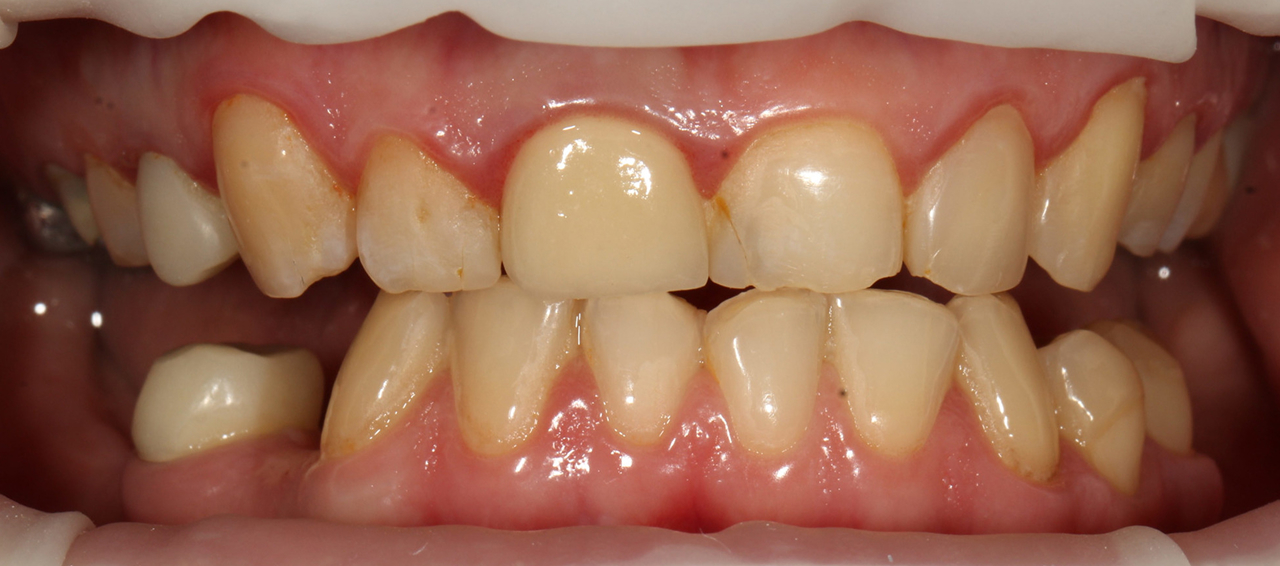
Problem
Treatment
- Full oral sanitation performed
- Dentition restored with implants
- Ideal ceramic smile created
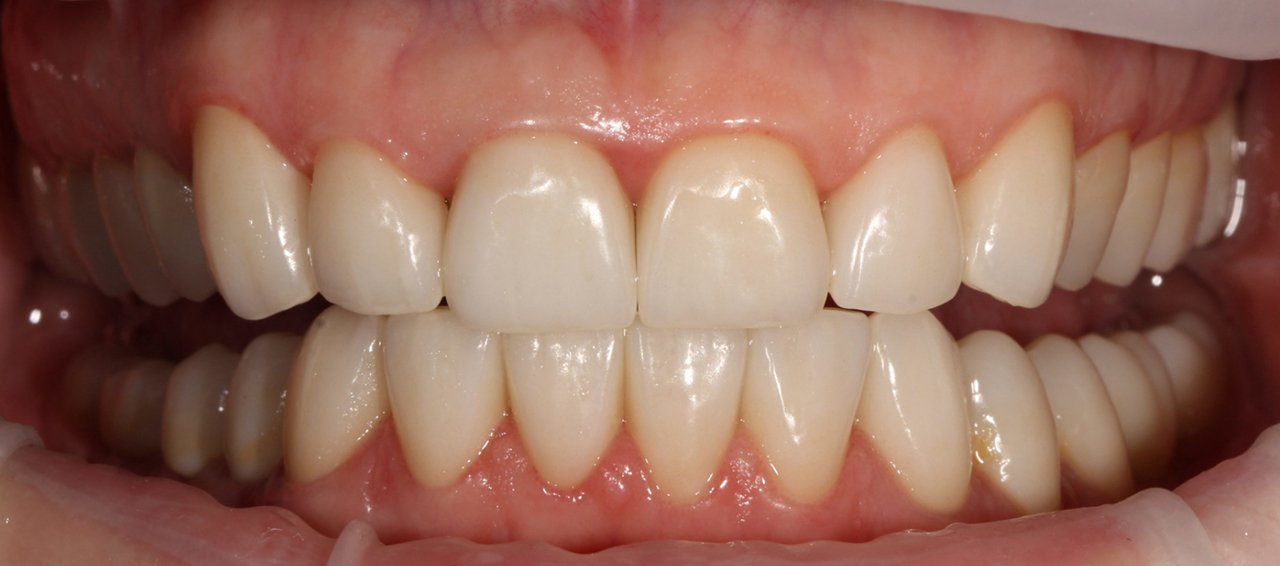
Result
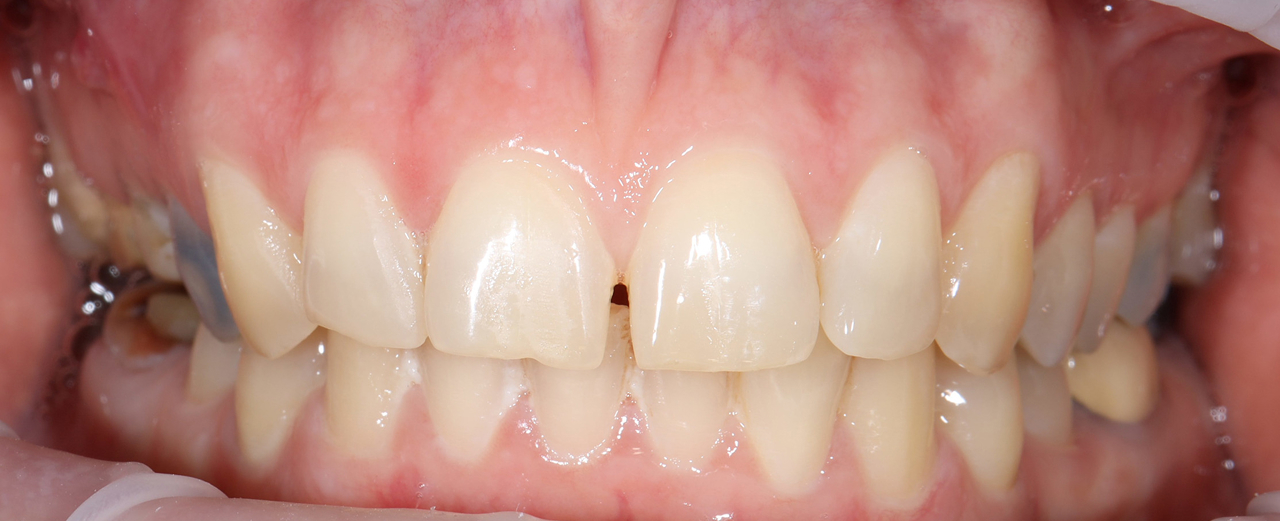
Problem
Treatment
- Oral sanitation and endodontics performed
- Dental implants placed
- Ceramic crowns fixed
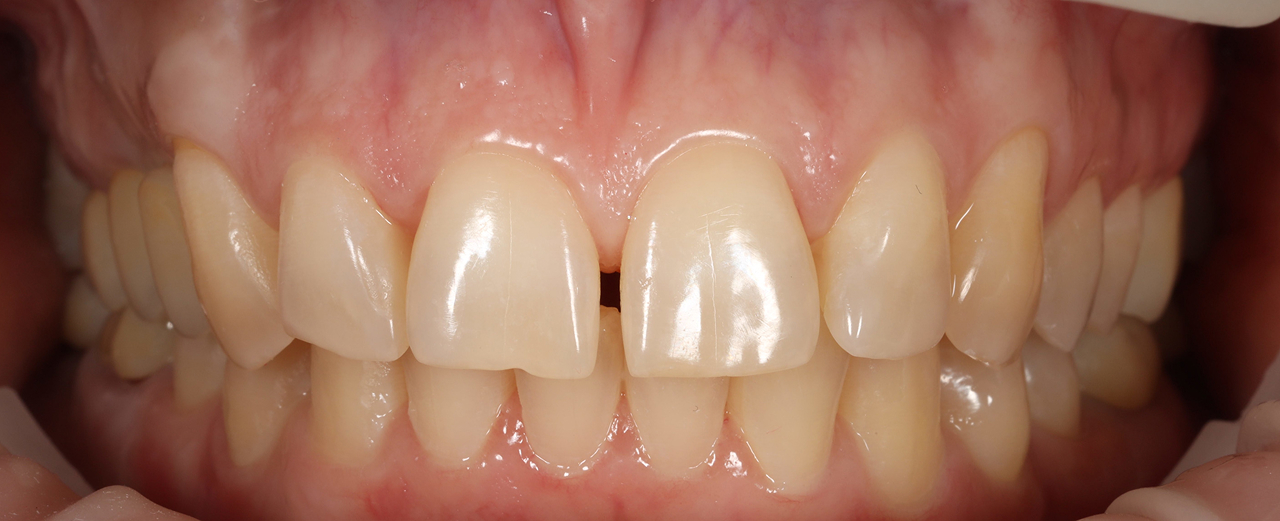
Result
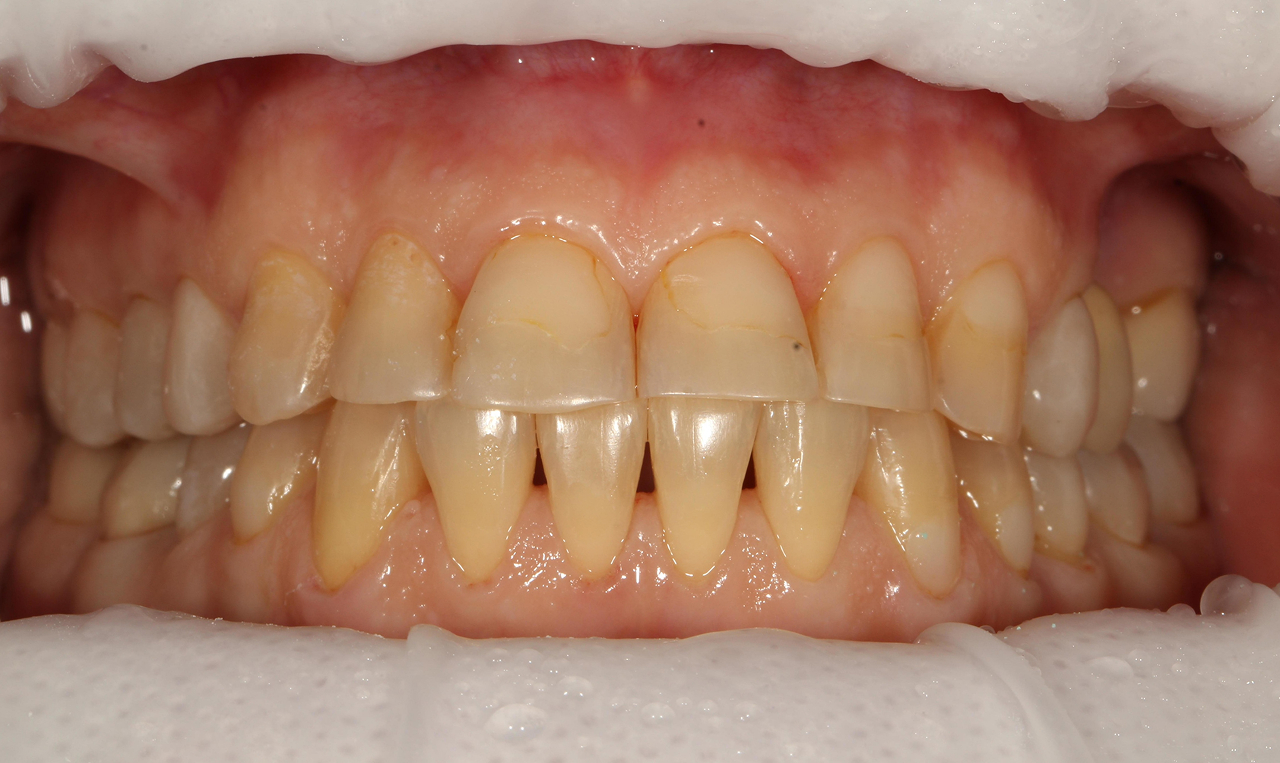
Problem
Treatment
- Full oral sanitation performed
- Anatomical shape restored
- Ceramic restorations placed
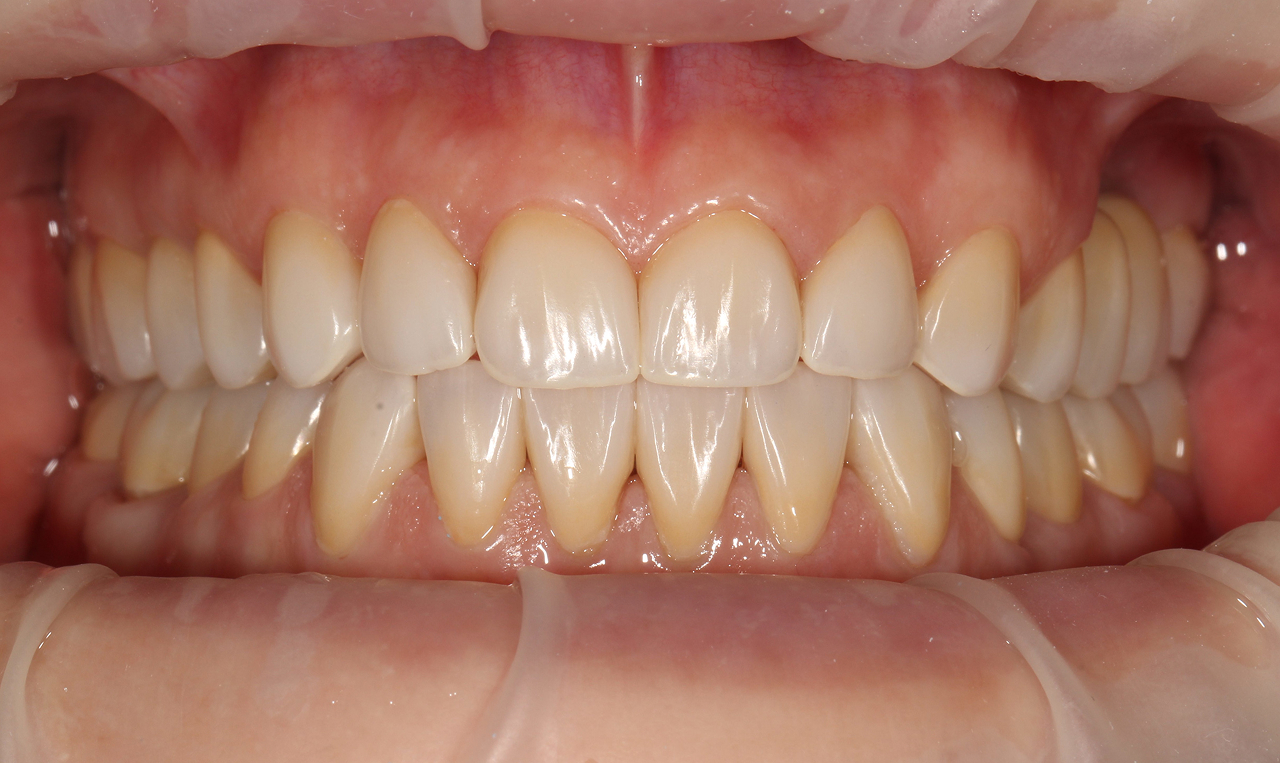
Result
Book a Consultation
By clicking the button, you accept the Privacy Policy and consent to the processing of personal data
Questions
What is the warranty on a crown? When does it need to be replaced?
Will I be left without a tooth while waiting for the permanent crown?
Are there any restrictions on using a permanent crown?
Will a lot of the tooth be ground down for the restoration?
Dental crowns are an effective way to restore a severely damaged tooth and give it back its natural shape and strength. A crown completely covers the tooth, protects it from further destruction and restores the aesthetics of your smile. Modern materials make it possible to create a restoration that is practically indistinguishable from a natural tooth — both in color and strength.
If you are interested in the cost of dental crowns and how they are placed in Lviv, on this page you will find information about the types of crowns, prices and the main stages of treatment. Our clinic offers a full prosthetic cycle: from consultation and digital planning to fixing the finished crown under a microscope.
What Dental Crowns Are
A dental crown is a cap-shaped prosthetic restoration that is placed over a prepared tooth or implant and fully restores its shape, size and function. Unlike a filling, which only fills a defect, a crown covers the tooth on all sides — this makes it much stronger when a tooth is severely damaged.
A crown is made individually for each patient, taking into account the bite, the color of neighboring teeth and chewing patterns. As a result, it blends naturally into the dental arch and does not draw attention.
When a Dental Crown Is Needed
A prosthodontist recommends a crown in the following cases:
Significant tooth damage. When a filling can no longer cope with a large defect, a crown becomes the only way to save the tooth and restore its strength.
After root canal treatment. A tooth without pulp becomes more brittle. A crown protects it from fracture and extends its lifespan.
After implant placement. An implant is only an artificial root. A crown on the implant is the final stage of restoration: it gives the restoration a natural look and restores chewing function.
Aesthetic problems. Severe discoloration, an irregular shape or damaged tooth edges can all be corrected with a ceramic or zirconia crown.
Benefits of Dental Crowns
A dental crown solves several problems at once. First, it fully restores chewing function — even after serious tooth damage. Second, a crown protects the remaining tooth tissue from further damage. Third, modern ceramic and zirconia materials provide a natural appearance that does not differ from the neighboring teeth. With proper care, the restoration lasts 15 years or more.
Types of Dental Crowns
At our clinic, we work with different types of crowns. The choice of material depends on the location of the tooth, the condition of the tissues, the patient’s aesthetic wishes and budget.
Ceramic Crowns
All-ceramic crowns are the standard of aesthetics in modern dentistry. They reproduce the natural color and translucency of a tooth, contain no metal and are completely safe for patients sensitive to metal alloys.
Ceramic crowns, which are somewhat more expensive, are the best choice for front teeth, where it is important for the smile to look natural and aesthetic. Our clinic specializes in aesthetic metal-free crowns, backed by many years of experience.
Zirconia Crowns
Zirconia crowns combine maximum strength with natural aesthetics. Zirconia is one of the strongest materials in modern prosthetic dentistry: it withstands significant chewing forces, does not oxidize and does not cause allergic reactions.
Thanks to their metal-free design, zirconia crowns look natural even in the most demanding areas of the smile. They are suitable for both front and chewing teeth and are also used as crowns on implants.
Crowns on Implants
A crown on an implant is the final stage of restoring a tooth after implant placement. Once the implant has integrated into the bone, an abutment (connecting element) is placed on it, and the crown is fixed on top.
Zirconia or ceramic crowns are most often chosen for implants — they provide a natural look and a long lifespan. A crown is placed on an implant after full osseointegration and usually takes several visits.
The price of a crown on an implant is determined individually, depending on the crown material and the specifics of the clinical case.
How Much Do Crowns Cost
Patients often ask how much a dental crown costs. Many are also interested in the price of crown placement — it depends on the crown material, the complexity of the clinical case and the need for additional procedures. Let’s look at the main factors that affect the cost.
Restoration material. The cost of a crown depends on the chosen material and fabrication technology. Zirconia and ceramic crowns differ in characteristics, aesthetics and cost.
Type of prosthetics. A crown on your own tooth and a crown on an implant have different costs — in the second case, the price includes the abutment and additional procedures.
Complexity of the clinical case. If the tooth needs preliminary treatment or a core build-up, this is included in the total cost.
You can see current prices for turnkey crowns in the prices section on this page. The exact cost is determined after a consultation and examination by a prosthodontist.
Dental Crowns in Lviv
If you are looking for a dental clinic in Lviv for crowns, it is important to pay attention not only to the price but also to the approach to treatment.
At our clinic, prosthetic treatment is performed under a microscope — this allows the dentist to prepare the tooth more precisely and achieve a perfect crown fit. For diagnostics and planning, we use a digital 3D scan, which eliminates inaccuracies in the fabrication of the restoration.
At the first consultation, the dentist carries out an examination, assesses the teeth and takes X-rays and a 3D scan. Based on this data, the prosthodontist selects the best type of crown, explains all stages of treatment and gives you the exact cost. You leave the consultation with a clear plan and an understanding of every step.
The crown placement process at our clinic consists of four stages — from the consultation and tooth preparation to fixing the permanent crown. Each step is described in detail in the “Process” section on this page.
FAQ — Frequently Asked Questions About Dental Crowns
Is getting a crown painful? Tooth preparation for a crown is performed under local anesthesia — the patient feels no pain during the procedure. After the anesthesia wears off, slight sensitivity is possible, which usually passes within a few days.
How long does a dental crown last? The lifespan of a crown depends on the material and care. With proper hygiene and regular dental check-ups, zirconia and ceramic crowns can last for many years.
How long does it take to get a crown? The whole process usually takes 2–3 visits to the clinic over 1–2 weeks. At the first appointment, the tooth is examined and prepared; at the following ones, the finished crown is tried in and fixed.
How much does a dental crown cost? The cost depends on the material and the complexity of the case. A turnkey zirconia crown starts from UAH 16,950, and a turnkey ceramic crown from UAH 18,450. The exact price is determined after a consultation. A detailed price list is available in the prices section on this page.
Can a crown be placed on an implant? Yes, a crown on an implant is a standard and common practice. After the implant integrates, the dentist places an abutment and fixes the crown. Zirconia or ceramic restorations are most often chosen for this — they are strong, aesthetic and compatible with implants from different manufacturers.
Book a Consultation
If you have been putting off restoring a tooth for a long time, now is the time to take the first step. A consultation with a prosthodontist will help you understand which crown is right for you, how much it will cost and what the result will look like before treatment begins.
Book a consultation in whatever way is convenient for you — and we will find the best solution for your situation.