

- ELITES
- Teeth Whitening
Professional Teeth Whitening in Lviv - Long-Lasting Effect and Comfort
APPROACH
TEETH WHITENING AT ELITES
Examination Before the Procedure
A Method Matched to Your Case
Shade Control
Examination Before the Procedure
A Method Matched to Your Case
Shade Control
When to See a Dentist
- The natural shade of your teeth seems darker or yellowish
- The color has changed due to food pigments or other external factors
- You need a whitening method suited to the condition of your teeth and gums
- You have sensitivity, fillings, crowns or veneers in the visible area
- You are planning to replace restorations and need to agree on the future shade
- You want to compare in-office Beyond whitening with an at-home tray system
Considering professional whitening?
The Process
01
Examination and Preparation
02
Isolation and Gel Application
03
Controlled Activation
04
Assessment and Recommendations
What's Included in the Consultation
- Collecting complaints, expectations and dental history
- Examination of the teeth, enamel, gums and existing restorations
- Assessment of possible causes of discoloration
- Determining the initial shade using a shade guide
- Checking indications, limitations and the need for preparation
- Comparing methods and explaining the stages, prognosis and cost
Pricing
Procedure
Price
Doctors

Maksymkiv Olesia Stepanivna
- – General Dentist
- – 8 years of experience
Maksymkiv Olesia Stepanivna
- – General Dentist
- – 8 years of experience

Batrukh Volodymyr Romanovych
- – General Dentist
- – 10 years of experience
Batrukh Volodymyr Romanovych
- – General Dentist
- – 10 years of experience
Treatment Results and Patient Reviews
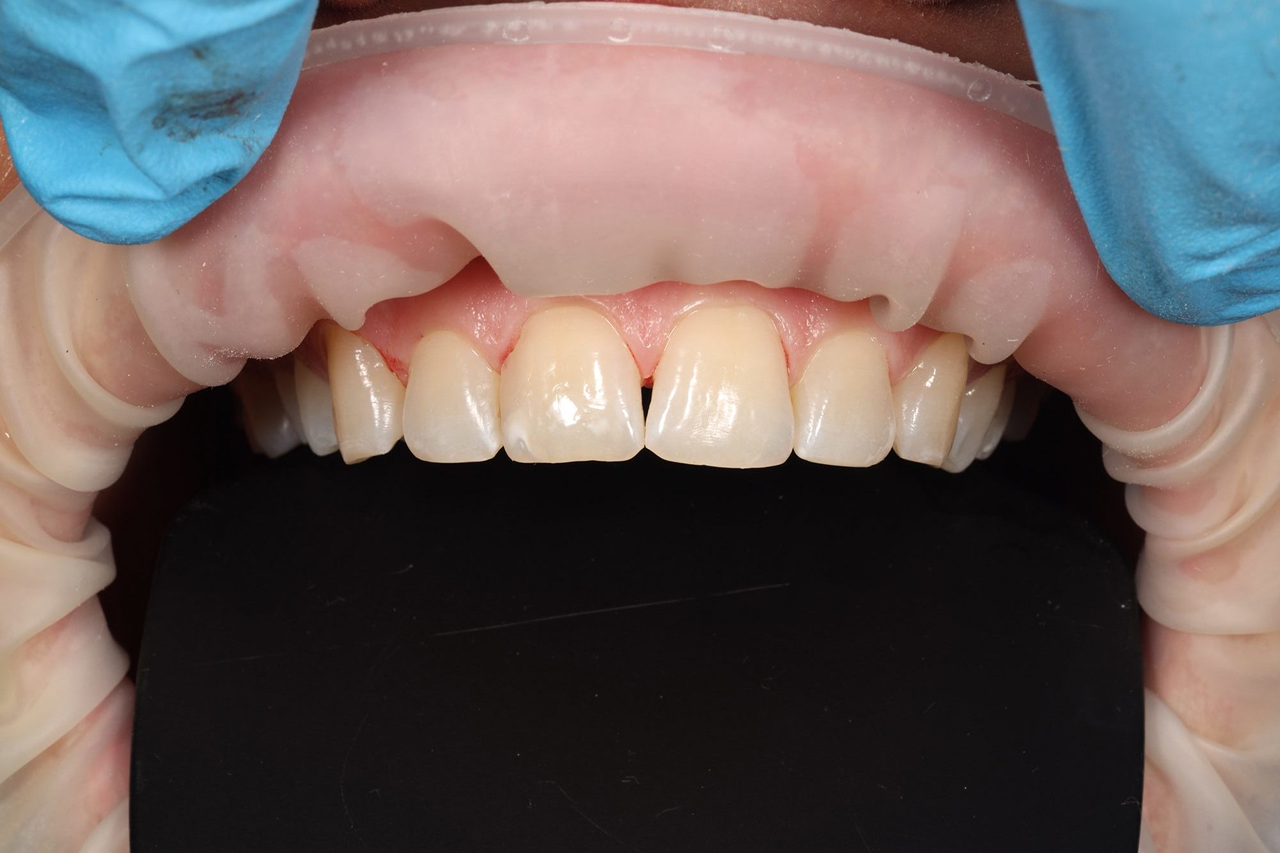
Problem
Treatment
- Lightened by several shades
- Radiant, snow-white smile
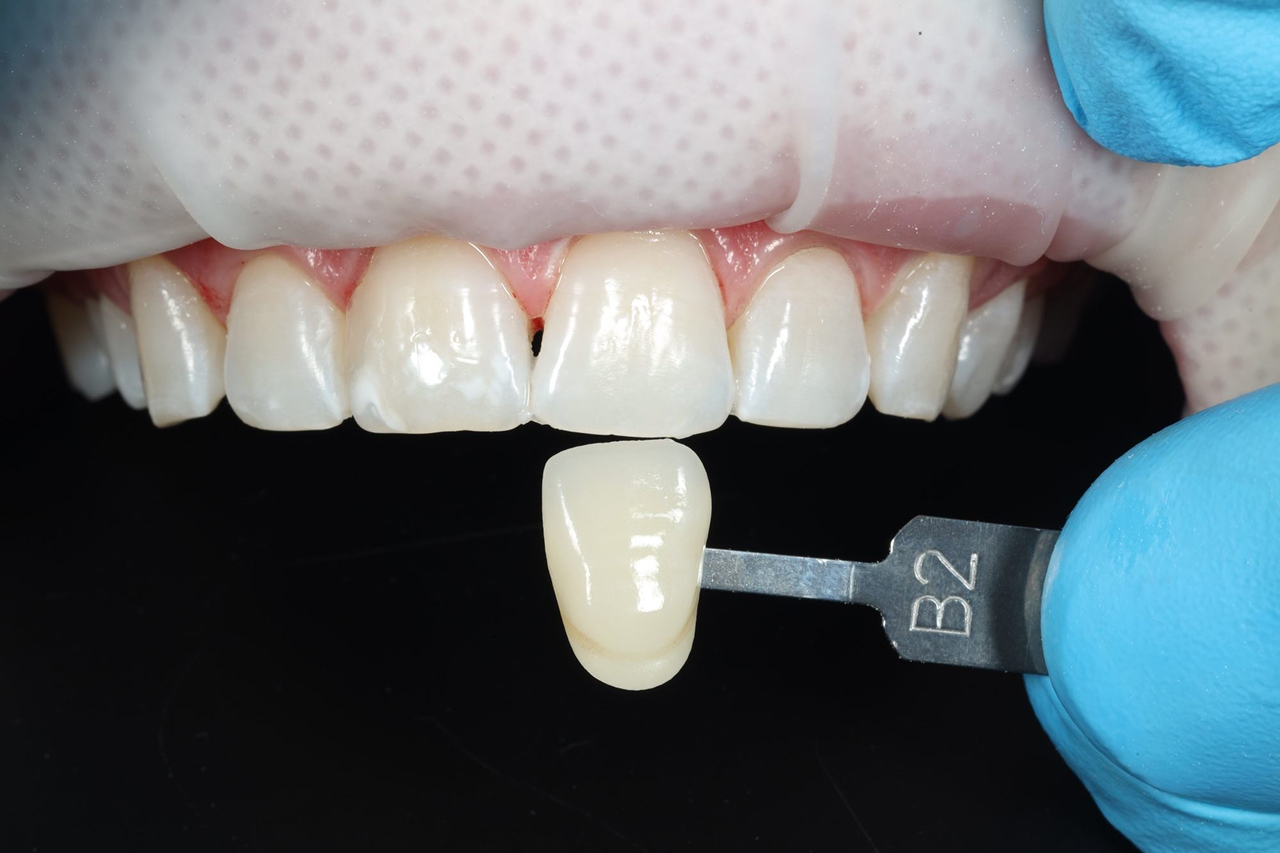
Result
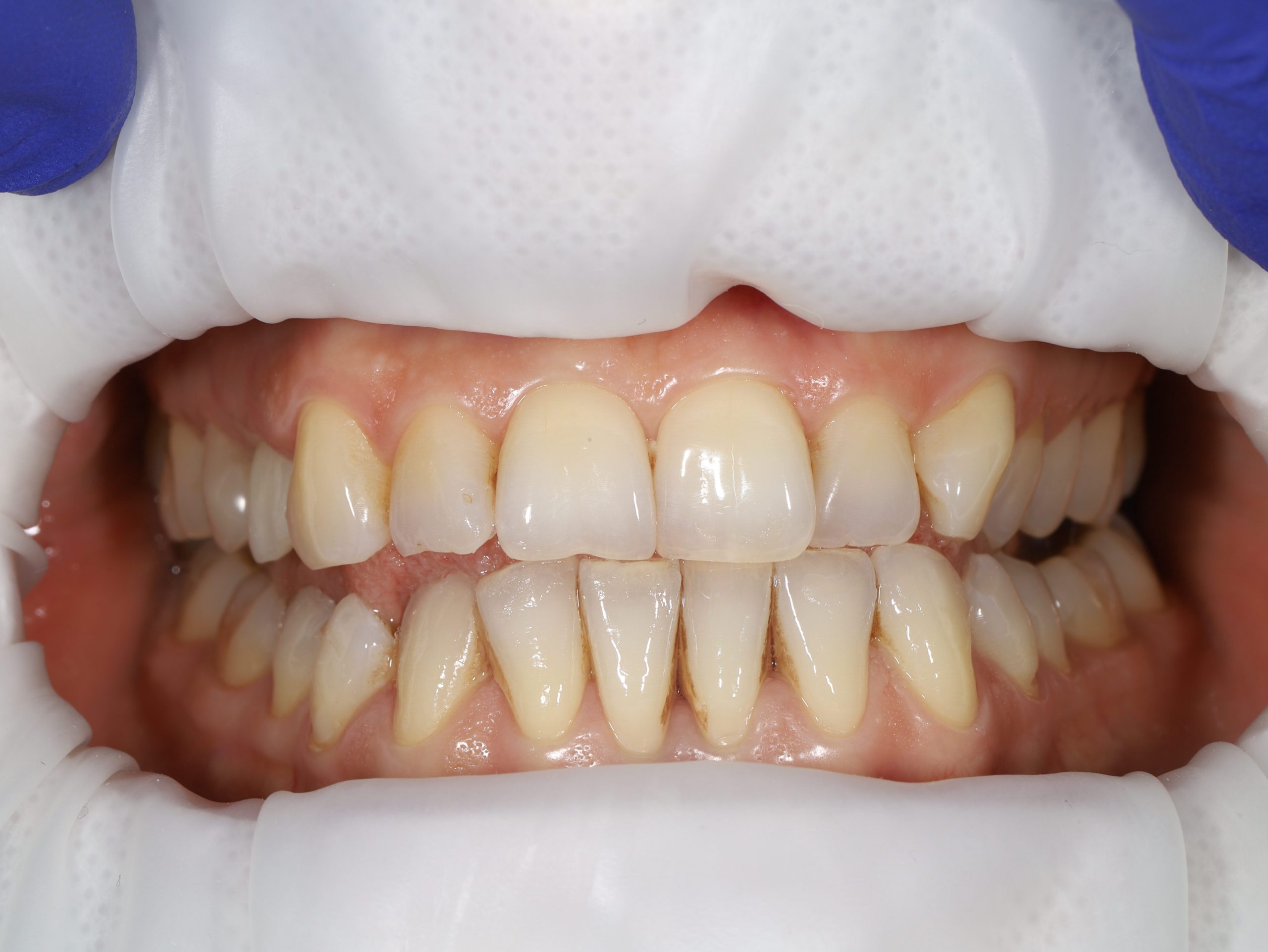
Problem
Treatment
- Plaque and calculus removed
- Desired shade achieved
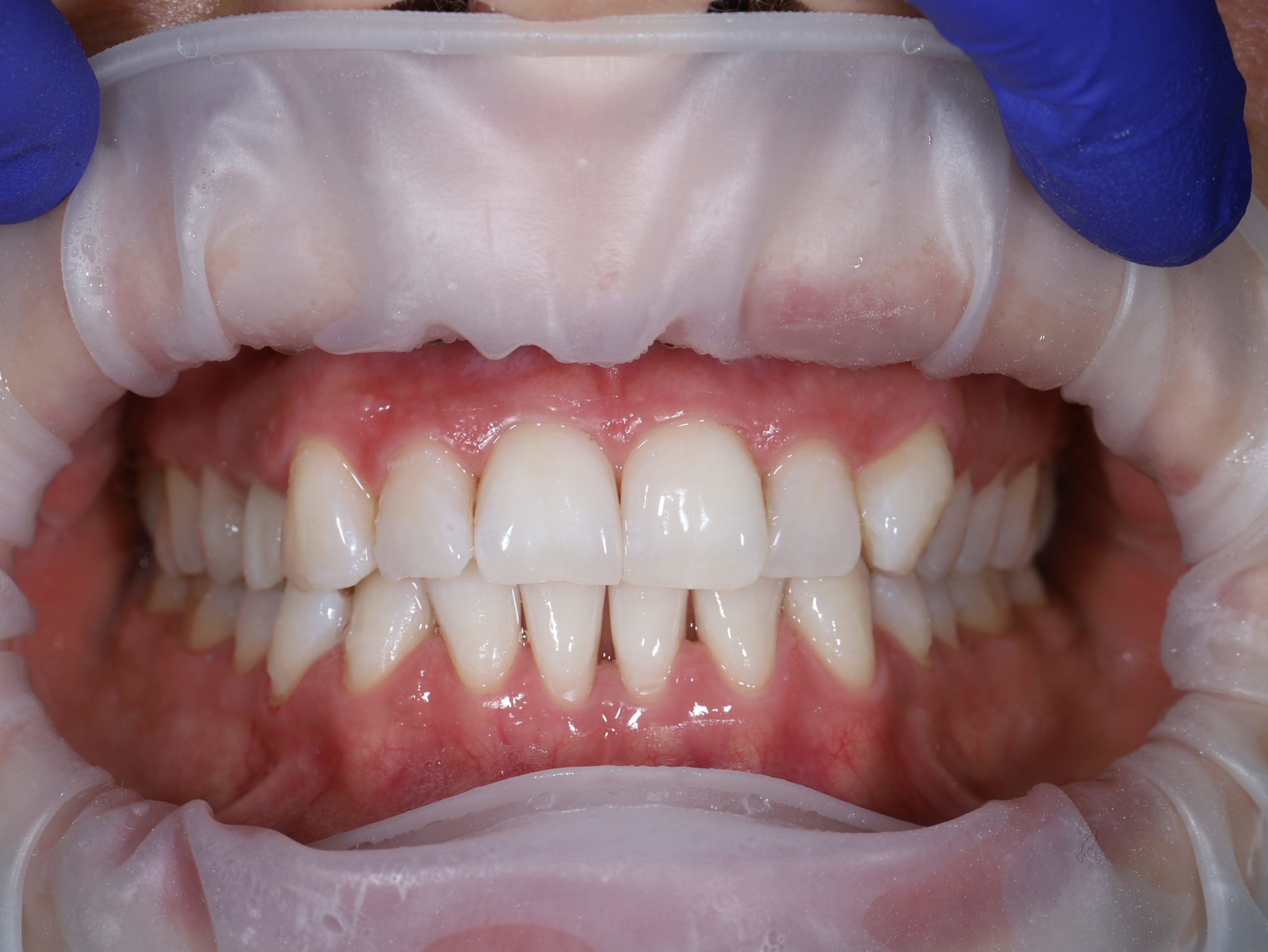
Result

Problem
Treatment

Result

Problem
Treatment

Result
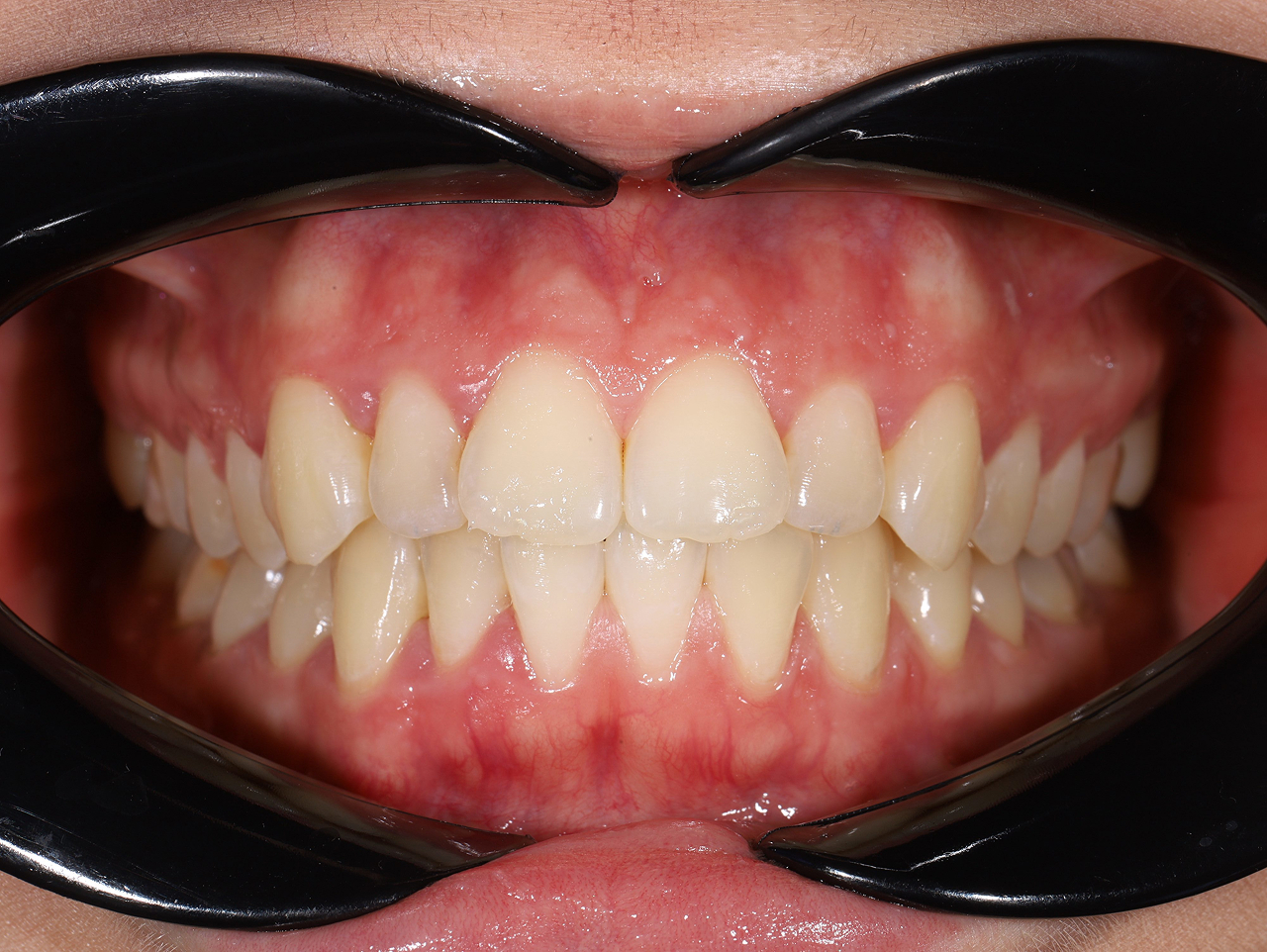
Problem
Treatment
- Several shades lighter
- Achieved natural whiteness
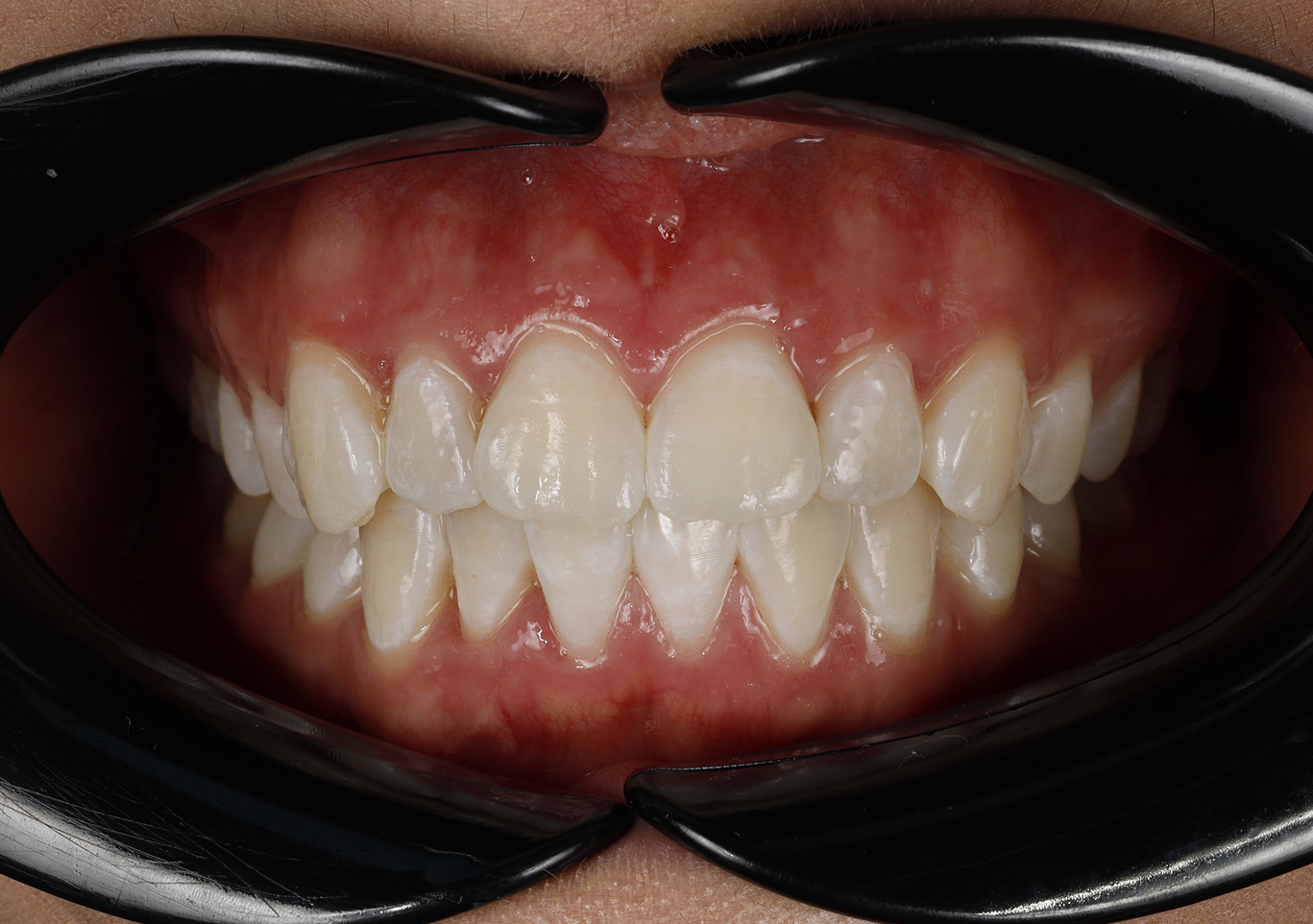
Result
Book a Consultation
By clicking the button, you accept the Privacy Policy and consent to the processing of personal data
Questions
Will my teeth be very sensitive after whitening?
What are the contraindications to the procedure?
When can I eat, and what is the "white diet"?
Professional teeth whitening at ELITES in Lviv is carried out after an examination of the teeth and gums and an assessment of the enamel. The dentist determines whether in-office Beyond whitening or at-home whitening with custom trays is right for the patient, and whether preliminary professional hygiene or treatment is needed. The method is chosen individually, taking into account the condition of the teeth, existing restorations and the expected result.
What Is Professional Teeth Whitening
Whitening is based on a chemical reaction involving active oxygen, which is released from the whitening gel when it comes into contact with the enamel. The hydrogen peroxide or carbamide peroxide in the gel breaks down under the influence of heat, light or a chemical activator, and the active oxygen penetrates the enamel structure, breaking down pigment molecules from within. Whitening changes the color of the teeth by oxidizing pigment molecules in the enamel. In the absence of contraindications and when performed correctly, the procedure does not cause irreversible damage to tooth tissue.
At-home whitening involves wearing trays with a low-concentration gel for several weeks. The result builds up gradually and depends on the patient’s discipline. In-office, or clinical, whitening is performed by a dentist in one session using higher-concentration gels, which shortens the time needed to achieve a result and allows the entire process to be monitored. The dentist monitors the gums, isolates the soft tissues and, if necessary, adjusts the exposure time.
The key difference between clinical whitening and products sold in pharmacies or shops is not only the concentration of the active ingredient. Clinical gels contain a higher concentration of hydrogen peroxide, which requires mandatory supervision by a dentist. Without proper isolation of the gums, the gel can come into contact with soft tissues and irritate them. Over-the-counter products have a reduced concentration that minimizes risk but also limits the effect.
Controlling the exposure time is another important aspect of the clinical procedure. The dentist monitors the teeth’s response directly during the session: if there are signs of excessive sensitivity or a pulp reaction, the procedure is adjusted or stopped. Using whitening products on your own deprives you of this control. In addition, if there are hidden enamel cracks or early caries that the patient may not notice, using whitening gels without a prior examination increases the risk of complications.
Teeth Whitening Methods
Beyond Teeth Whitening
The Beyond system is an in-office photo-whitening method in which the gel is activated by a special light source. A hydrogen peroxide-based gel is applied to the surface of the teeth and then exposed to the Beyond lamp, which emits light in a specific spectrum. This speeds up the breakdown of peroxide and makes whitening more effective than using the gel without activation.
The mechanism works as follows: photons of a certain wavelength accelerate the chemical breakdown of hydrogen peroxide. This makes it possible to use the gel more efficiently with a shorter exposure time or to achieve a higher degree of lightening in the same time. The Beyond lamp filters out ultraviolet and infrared radiation — filtering the light spectrum reduces unwanted light and heat exposure for the teeth and soft tissues.
It is the need for specialized equipment, controlled lighting and precise gel application with tissue isolation that makes Beyond whitening an exclusively clinical procedure. These conditions cannot be reproduced outside the dental office without risk to the tissues. The system is designed for several consecutive cycles within a single session, which is why it is widely used in dental clinics.
In-Office Professional Teeth Whitening
In-office whitening is the general name for clinical methods performed in a dental office. The dentist applies the gel directly to the teeth after protecting the gums and soft tissues with a retractor and an isolating barrier. Depending on the system, the gel is left on for 15 to 45 minutes, and the procedure is then repeated in several cycles.
In-office whitening is suitable for patients who need a quick result before an important event, or for those who are not ready to follow an at-home whitening regimen for weeks. This method is also appropriate when at-home whitening has not produced the expected effect or when the degree of pigmentation requires a higher concentration of the active ingredient.
How the Teeth Whitening Procedure Works
Consultation and Diagnostics
At the first appointment, the dentist assesses the teeth and gums and checks for caries, enamel cracks, wedge-shaped defects and the condition of restorations. If there is active caries or periodontal inflammation, whitening is postponed until these problems are resolved. The initial shade of the teeth is determined using the VITA shade guide to record the starting point and evaluate the result after the procedure. The patient is told what to expect, taking into account the individual characteristics of their enamel.
Preparing the Teeth
Before whitening, the dentist assesses the teeth and checks for plaque and tartar. If professional hygiene is needed, it is performed before the procedure so that the tooth surfaces are clean before the whitening gel is applied. Further preparation and isolation of the soft tissues are carried out according to the chosen whitening protocol.
The Beyond Whitening Procedure
The dentist places a retractor to hold back the lips and cheeks and applies a protective barrier to the gums. The whitening gel is spread evenly over the surface of the teeth. Then the Beyond lamp is positioned and the first activation cycle begins. The standard procedure includes three 20-minute cycles, with a fresh portion of gel applied before each one. Between cycles, the dentist checks the gums and, if necessary, adjusts the rest of the procedure.
Completing the Procedure
Once all cycles are completed, the gel is removed, the protective barrier is taken off the gums and the teeth are rinsed. The dentist determines the shade again using the VITA guide and records the result. The patient receives remineralizing therapy — fluoride or calcium products are applied to strengthen the enamel after the procedure. Recommendations on diet and dental care for the next few days are also given.
What Results Teeth Whitening Delivers
The result of whitening depends on the initial shade of the teeth, the type and degree of pigmentation, the condition of the enamel and the patient’s individual characteristics. Teeth with a yellowish tint caused by food pigments or tobacco usually respond better to whitening than teeth with a grayish tint. The dentist assesses the degree of lightening after the Beyond procedure individually.
It is important to understand that crowns, veneers and fillings do not change color during whitening. If the patient has restorations in the visible area, the result after whitening the natural teeth may differ from the color of these restorations. The dentist points out this feature to the patient in advance.
Several factors affect the degree of lightening. The thickness of the enamel determines how deeply active oxygen can penetrate and break down pigments. In patients with thinner enamel, whitening may produce a less pronounced effect. The initial color is also a factor: naturally yellow teeth respond to whitening better than teeth with a genetically determined gray tint. The type of pigmentation — from food, tobacco or medication — affects how easily the pigment molecules break down.
The result of whitening is always individual. The dentist can give an approximate prognosis after the examination, but the exact degree of lightening is determined during and after the procedure. In some cases, a repeat procedure may be needed after a while to achieve the desired color. The decision about repeat whitening is made after assessing the enamel and the time that has passed since the first session.
Is Teeth Whitening Safe
Before whitening, the dentist assesses the enamel, gums and existing restorations to determine whether the procedure can be performed in the specific clinical situation. If there is active caries, gum disease, cracked enamel or pronounced sensitivity, whitening may be postponed until these problems are resolved.
The safety of the procedure depends on several interrelated conditions. The absence of carious lesions is essential: whitening gel that gets into a cavity or through damaged enamel can cause acute pain and damage to the pulp. The absence of exposed dentin also matters — dentin is more sensitive than enamel, and contact with the gel in this area intensifies the pain response.
Proper isolation of the gums is one of the key technical aspects of safe whitening. The dentist applies a protective barrier along the gum line before applying the gel. This prevents chemical irritation of the soft tissues. Without this protection, hydrogen peroxide can burn the mucous membrane. At home, even with standard trays, full isolation of the gums is more difficult and less reliable than in a clinical setting.
The dentist selects the concentration of the whitening gel and how long it is applied based on the chosen system, the condition of the teeth and the patient’s sensitivity. During the procedure, the dentist monitors the teeth’s response and adjusts the protocol if necessary to reduce the risk of irritation or increased sensitivity.
After whitening, some patients may experience temporarily increased tooth sensitivity. How strong it is and how long it lasts depends on the condition of the enamel, individual sensitivity and the protocol used. If discomfort occurs, the dentist may recommend desensitizing products and give aftercare advice.
How Much Does Teeth Whitening Cost in Lviv
The price of teeth whitening in Lviv depends on the chosen method and whether preliminary preparation is needed. At ELITES, in-office Beyond whitening costs UAH 6,500, and at-home whitening with custom trays costs UAH 9,000. If caries treatment or gum treatment is needed before the procedure, it is charged separately.
The final plan for preparing for whitening depends on the condition of the teeth and gums. If professional hygiene or treatment is needed before the procedure, the dentist determines this during the examination and explains the sequence of steps.
How Long Teeth Whitening Results Last
How long the whitening result lasts is individual and depends on eating habits, smoking, daily hygiene, the condition of the enamel and how regularly you receive professional care. Frequent consumption of coffee, tea, red wine and other strongly pigmented foods can make discoloration return faster.
Daily hygiene plays a significant role. Regular brushing and flossing remove fresh plaque, preventing pigments from settling on the enamel surface. Toothpastes with gentle polishing ingredients help maintain surface shine. At the same time, highly abrasive toothpastes should be chosen with caution: they polish the enamel surface but can thin it with regular use.
Regular professional hygiene helps remove plaque and pigmented deposits that cannot be fully removed with home care. For many patients, a preventive cleaning is recommended approximately every 6 months, but the dentist determines the optimal frequency individually depending on the condition of the teeth and gums, how quickly plaque forms and your oral care habits.
After some time, the patient can come back for maintenance whitening. A repeat procedure usually takes less time than the first one, as the return to the original shade happens gradually. The decision about a repeat session is made after an examination, taking the condition of the enamel into account.
Recommendations After Teeth Whitening
After whitening, the dentist gives individual recommendations on diet and dental care. For the first few days, patients are usually advised to limit foods and drinks with strong colorants and to maintain thorough home hygiene. The specific recommendations depend on the whitening method and the sensitivity of the teeth after the procedure.
It is better not to use toothbrushes and toothpastes with abrasive ingredients in the first few days — a soft toothbrush and a toothpaste for sensitive teeth are recommended. Regular oral hygiene and visits to the clinic for preventive cleaning help maintain the result for as long as possible.
Who Teeth Whitening Is For
Teeth whitening is suitable for adult patients with healthy teeth and gums whose enamel has yellowed or darkened due to food pigments, smoking or natural aging. Cosmetic whitening is also considered by patients who are preparing for veneers or crowns and want to lighten the neighboring teeth to the chosen shade.
Whether whitening can be performed is decided by the dentist after examining the teeth and gums. If there is active caries, gum inflammation, pronounced sensitivity or other conditions that require treatment, these problems are resolved first, and only then is whitening considered again.
Teeth whitening is an elective cosmetic procedure and is performed only at the patient’s request — it is not a mandatory part of dental treatment. Patients who want to improve the aesthetics of their smile come for a consultation, where the dentist assesses the enamel, gums and existing restorations, determines the indications and gives a realistic prognosis of the result. If the condition of the teeth allows the procedure without preparatory treatment, it can be scheduled at the nearest convenient time. If preliminary treatment is needed, the dentist explains its scope and the sequence of steps. In this way, the approach is determined individually in each case.
Contraindications to Teeth Whitening
Teeth whitening is not performed in the following cases: pregnancy and breastfeeding, age under 18, active caries and uncontrolled periodontal disease, pronounced tooth hypersensitivity, enamel cracks and wedge-shaped defects in an acute stage, and allergy to the components of whitening gels. Fluorosis and tetracycline staining are relative contraindications — in these cases, the effect of whitening may be limited, and the patient is offered alternative methods of color correction.
Large fillings, crowns or veneers in the front teeth are not a contraindication, but the patient is informed in advance that these restorations will not change color and may differ from the lightened natural teeth after the procedure.
The condition of the gums and tooth necks deserves special attention. With gum recession, when the necks of the teeth are partially exposed, contact of the whitening gel with these areas can cause increased sensitivity — both during and after the procedure. For patients with enamel erosion, the dentist may recommend refraining from whitening and considering other methods of color correction, such as microabrasion or veneers. In such cases, the decision is made individually after a clinical examination. These features do not automatically rule out the procedure, but they require careful assessment and, in some cases, additional preparation.
Book Teeth Whitening in Lviv
If you are interested in teeth whitening in Lviv, the first step is a consultation with a dentist. At the appointment, your teeth and gums will be assessed, the dentist will determine whether the procedure is indicated, suggest a suitable method and give you accurate information on the price of teeth whitening in Lviv.
During the consultation, the dentist also gives a prognosis of the result, taking into account the initial shade of your teeth, the type of pigmentation and the condition of the enamel. This gives the patient a realistic idea of how much lightening can be achieved in their particular case. If necessary, the dentist plans preparatory stages — caries treatment or hygiene — and only then agrees on the date of the procedure. This sequence ensures both safe whitening and a predictable result.
Beyond teeth whitening is completed in a single session, which is convenient for patients with a busy schedule. You can book a consultation by phone or through the contact form on our website.